

You spent good money on your speakers and amp, so the last thing you want is a loose wire chewing away at sound quality mid-listen. Banana plug speaker wires solve that headache, turning a finicky bare-wire hookup into a quick, repeatable connection you can trust. This guide walks through nine solid options, from raw bulk cable for DIY runs to pre-terminated audiophile assemblies for a cleaner shelf setup.
A Side-By-Side Look
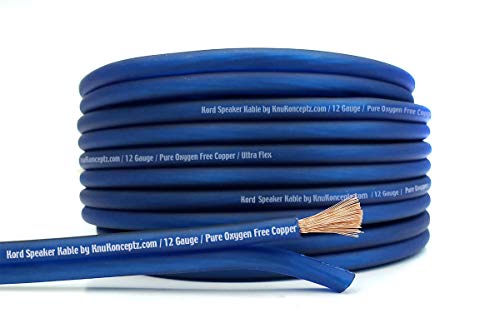
KnuKonceptz Kord 12 Gauge OFC Speaker Wire 50 Feet

GEARit 14 Gauge Speaker Cable 100ft CCA Black

Install Link 14 AWG Speaker Wire 100 Feet CCA

InstallGear 14 Gauge Speaker Wire Red/Black 100ft

Install Link 16 AWG Speaker Wire 100 Feet CCA

Kinter 100ft 16-Gauge Speaker Wire Clear PVC

TODN 6.5ft Speaker Cable with Banana Plugs OFC
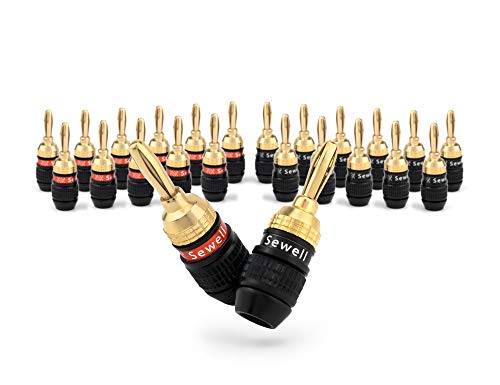
Sewell Deadbolt Banana Plugs 12-Pair Gold

TODN 6.5ft OCC Speaker Cable with Banana Plugs
Meet The Standout Selections
KnuKonceptz’s 12-gauge cable lands at the top of this list because it pairs true oxygen-free copper (OFC, meaning copper refined to at least 99.99% purity for stronger conductivity) with a soft, pliable jacket that almost disappears behind a baseboard. For a stereo pair in a mid-size listening room, 50 feet is plenty, and the printed-on jacket makes cutting to length feel less guesswork than tape-measure math.
If you’ve already committed to a serious amp-and-speaker pairing, raw copper like this is the friendlier foundation for banana plug termination. Lower resistance translates into a cleaner signal path over longer runs, which matters most when your speakers sit more than 20 feet from the receiver.
A Few Strong Suits
- True OFC conductor at 99.99% copper for low-resistance signal transfer
- 12 AWG gauge with 294 strands per conductor, flexible enough to bend around corners
- Printed spec markings every foot so you always know what you’re working with
- Soft PVC jacket lays flat after uncoiling, no spring-back memory
- Blue jacket color stands out inside dark equipment closets
Things To Consider
- Only 50 feet in the spool, which can run short on whole-home runs
- Heavier gauge means thicker jackets that are tougher to tuck under thin carpet edges
Quick Facts
Who It Suits Best
Listeners building a dedicated two-channel music room with floor-standing speakers and an amp that deserves a copper-grade signal path.
A Better Fit Elsewhere
Shoppers wiring a five-channel home theater across a larger space will get more reach from the Install Link 14 AWG Speaker Wire 100 Feet CCA.
GEARit’s 14-gauge, 100-foot spool is the workhorse pick for anyone wiring a full room without overspending. CCA (copper-clad aluminum) keeps the weight and cost down while still moving signal cleanly enough for most bookshelf speakers and home theater receivers.
Pair this with the Sewell Deadbolt Banana Plugs further down the list and you’ve got a full termination kit for a five-speaker surround system. The black jacket also blends into dark AV furniture, which is a small but real plus when the wires run along the back of a media console.
The Upside
- 100 feet covers an entire media room with cable left over
- 14 AWG thickness balances flexibility with solid conductivity
- CCA build trims cost on long, multi-speaker runs
- Compatible with both home theater receivers and car audio head units
Worth Noting
- CCA has slightly higher resistance than pure copper, so very long runs lose a touch of fidelity
- CCA strands are more prone to fatigue if bent repeatedly during speaker repositioning
- No printed foot markings, so you’ll need a tape measure for precision cuts
Made For
First-time home theater builders and renters who want a clean install without committing to copper pricing.
Skip It When
You prefer the cleaner conductivity of pure copper and don’t need 100 feet of reach, in which case the KnuKonceptz Kord is a smarter call.
Install Link’s frosted red-and-black 14 AWG wire is one of those quietly capable spools that handles DIY and pro jobs with equal grace. The frosted jacket lets you see the conductor inside, which is genuinely handy when stripping and tinning.
Polarity matters more than people think, especially when wiring a 5.1 system with mismatched channels. The two-tone jacket on this spool makes positive and negative runs obvious from across the room, which means fewer crossed wires at the amp end.
Practical Advantages
- Two-conductor design with clear red/black polarity identification
- CCA construction trims cost without major signal compromises
- Stranded core is easy to strip and terminate by hand or with basic tools
- Flexible jacket routes cleanly through wall plates and conduit
Trade Offs
- CCA isn’t ideal for runs over 75 feet to high-current amps
- Frosted jacket scuffs visibly if you pull it through tight attic cavities
Feature Snapshot
Best Suited To
Home theater hobbyists running wire behind drywall who want fool-proof polarity every time they strip back the jacket.
Look Elsewhere When
You’re terminating only one short pair of bookshelf speakers and would rather pay a bit more for copper, in which case the KnuKonceptz Kord is the cleaner choice.
InstallGear’s red-and-black 14-gauge wire is the kind of cable that quietly ends up in more installs than any premium alternative. It’s affordable, easy to find, and behaves predictably across car, home, and workshop setups.
You may find the bold color coding overkill for a single stereo pair, but for a garage install or surround sound wall, it pays for itself the first time you wire a speaker out of phase by accident. The jacket is also notably soft for a CCA wire, which makes routing it through trunk lids and entertainment centers less of a wrestling match.
What Earns Its Place
- Solid 14-gauge thickness with stranded copper-clad aluminum
- Two-tone red and black jacket for fast wiring under stress
- Soft jacket bends cleanly around car door channels and baseboards
- Wide compatibility with car, home, and pro studio gear
Honest Caveats
- CCA composition trades a bit of long-run fidelity for affordability
- No printed length markers, so measuring before cutting matters more
- The bright jacket shows dust and scuffs in visible wall runs
At A Glance
Perfect Match For
Car audio installers and DIYers tackling a weekend garage or shed speaker setup where bold colors and soft jackets speed the work.
Another Choice May Suit
Anyone who wants quieter color tones blending into a living room setup will prefer the all-black GEARit 14 Gauge Speaker Cable 100ft.
Install Link’s 16 AWG cousin keeps the same frosted red/black jacket but steps down to a thinner conductor, which is exactly what short bookshelf and desktop runs call for. At 100 feet, you can wire up a small surround system without breaking a sweat.
That thinner gauge also strips and routes more easily through wall plates and cable channels. For desktop or nearfield listening where the run from amp to speaker is under 25 feet, 16 AWG is plenty in most rooms.
Real-World Strengths
- Lighter 16 AWG jacket tucks into narrow cable channels and trim
- Frosted red/black jacket keeps polarity visible at every termination
- Stranded CCA core strips cleanly with basic wire strippers
- 100-foot spool leaves spare length for future re-routing
Points To Note
- 16 AWG is too thin for long runs to high-power floor-standing speakers
- CCA construction means you lose more signal over distance than with copper
Who Should Grab It
Apartment dwellers and desktop audio hobbyists running short, tidy wire paths where every millimeter of cable channel matters.
Reach For A Different Pick When
Your speakers sit more than 30 feet from the amp, in which case the Install Link 14 AWG Speaker Wire 100 Feet is the safer pairing.
Kinter’s clear-PVC 16-gauge wire is the cable you grab when you want the install to feel a little more thoughtful. The transparent jacket lets you actually see the copper-clad strands, and the printed foot markers along the side turn a measuring tape into optional equipment.
It’s a quiet workhorse for studio desks and small HiFi racks where the wire is part of the visible aesthetic. For a cleaner look behind glass shelves or open media consoles, clear cable disappears into the background.
Advantages To Know
- Clear PVC jacket with red polarity stripe stays subtle on visible runs
- Printed foot markers speed up precise cuts without a tape measure
- Soft, flexible jacket handles repeated bending during repositioning
- Plays nicely with home theater, HiFi, and auto amp installations
Small Caveats
- Clear jacket shows dust and oxidation over time in visible locations
- 16-gauge thickness is undersized for long, high-current runs
- CCA strands can crack if folded sharply at the same spot repeatedly
Right Fit For
Studio hobbyists and HiFi shelf builders who care about clean visible wiring and need fast, accurate cuts during installation.
A Better Fit Elsewhere
Anyone wiring a multi-room whole-home audio project will find a stronger gauge more reassuring than the Kinter 16 AWG.
TODN’s pre-terminated cable is built for the listener who doesn’t want to touch a soldering iron. The 4-core OFC conductor means four braided strands of oxygen-free copper per polarity, giving the cable more conductive surface area than a basic two-core design.
Banana plugs already attached mean your amp-to-speaker hop takes about 30 seconds per side. If your speakers and amp sit within six feet of each other and you care about a tidy rear panel, this is a clean shortcut that skips the termination bench entirely.
Bright Spots
- 4-core OFC design widens the conductive surface area for cleaner signal transfer
- Banana plugs pre-attached, no soldering or crimping required
- 6.5-foot length suits most desktop and bookshelf setups
- Solid fit on standard binding posts without wobble
Areas To Watch
- Pre-terminated ends limit your ability to re-cut the cable if it snags
- Short 6.5-foot length is too short for floor-standing speakers across a wide room
- Higher-end price compared to bulk cable plus separate plugs
Quick Facts
Built With In Mind
Audiophiles running a compact two-channel desktop or bookshelf rig and who want clean OFC signal without doing the termination work themselves.
Swap It Out When
You need longer runs or floor-standing speaker placement, where the TODN 6.5ft OCC Speaker Cable or bulk cable plus Sewell plugs gives more flexibility.
Sewell’s Deadbolt banana plugs are the favorite of DIYers who terminate their own cables. The self-crimping teeth bite into the conductor without solder, screws, or specialty tools, so a full 12-pair batch goes fast at the workbench.
Gold plating keeps oxidation at bay over years of plugging and unplugging, which matters more than people expect when gear gets rearranged. They’re also notably low-profile, which helps when speakers or amps sit close to a back wall.
Where It Delivers
- Self-crimping teeth lock the conductor without solder or set screws
- Gold plating resists oxidation for long-term connection integrity
- 12-pair count handles a full 5.1 plus extras without reorder
- Low-profile body fits behind wall-mounted speakers and tight AV racks
Practical Considerations
- Self-crimp design is one-time only; re-terminating requires fresh plugs
- Smaller wire entry can be tight on thicker 12 AWG copper unless you double-twist the strands
- No right-angle option in this pack, so check clearance behind your amp
Feature Rundown
Whose Shelf It Belongs On
DIY cable terminators who own a spool of bulk wire and want a fast, solder-free way to finish the ends with a clean professional look.
Where A Sibling Pick Shines
Anyone who wants the plugs already attached and the whole job done will find the TODN 6.5ft Speaker Cable with Banana Plugs much simpler.
TODN’s OCC cable sits at the top of the conductor-purity ladder. OCC (Ohno Continuous Cast) copper is refined to 99.9999% purity and drawn into long, single-crystal strands, which can carry signal with fewer grain boundaries in the metal.
The box ships with both banana and spade terminations, so you can match the connector to whatever binding posts your amp or speakers actually use. A 20mm outer diameter means this is a serious, heftily-jacketed cable, not a lightweight desktop run.
Useful Strengths
- OCC copper core at 99.9999% purity for high-grade signal transfer
- Both banana and spade terminations included for binding-post flexibility
- 16.77mm² cross-sectional core handles demanding amp loads
- Substantial 20mm jacket feels durable for permanent installs
Things To Weigh
- Heavier gauge is overkill for small bookshelf or desktop rigs
- Premium pricing reflects the higher-purity conductor and bundled connectors
- One cable per box means you’ll need a separate run for the other channel
Who Will Love This
High-end stereo owners with serious amplification who want both termination styles on hand for matching binding posts.
Not Your Match When
Your setup is a casual desktop pair, where the lighter, simpler TODN 6.5ft Speaker Cable with Banana Plugs OFC is the better fit.
Choosing The Right Gauge And Build For Your Setup
Picking banana plug speaker wires starts with one question: how far does the signal actually travel? Shorter runs under 25 feet give you more flexibility with thinner gauges like 16 AWG, while longer runs or higher-power amps benefit from the lower resistance of 12 AWG copper.
The conductor material matters more than most shoppers expect. Pure copper (OFC, OCC) carries signal with less resistance than copper-clad aluminum (CCA), which translates to slightly cleaner highs and tighter bass over distance. For a desktop pair, CCA is plenty. For a 30-foot run to floor-standers, copper earns its place.
Gauge numbers are inversely related to thickness, which trips people up. 12 AWG is thicker than 16 AWG, and thicker means more conductor cross-section, which means lower resistance. Most home theater and bookshelf setups land comfortably at 14 AWG.
Termination Style And Connector Quality
Banana plugs turn a fragile bare-wire connection into a repeatable, low-resistance contact. Look for plugs with self-crimping teeth or set screws that bite into the conductor, and gold plating to slow oxidation over years of use.
Pre-terminated cables save workshop time but lock you into fixed lengths. Bulk cable plus separate plugs gives you full control over run length and lets you swap termination styles between speakers and amps. Match the plug to your binding posts, since some amps accept only banana and others work better with spades.
Polarity Markings And Jacket Visibility
Color-coded jackets, especially red/black or frosted variants, prevent crossed polarity that can quietly kill bass and imaging in a stereo pair. Foot markings on the jacket also save measuring time when cutting runs to length behind walls.
Soft PVC jackets lay flat after uncoiling, route cleanly around corners, and tuck under baseboards without spring-back memory. Stiffer jackets fight you on every bend and can kink the conductor inside, which is a real long-term reliability concern in tight AV furniture.
Cable Length And Spool Sizing
Always oversize your spool when possible. A 100-foot roll covers most single-room surround installs with leftover for mistakes or future re-routing. A 50-foot roll is enough for one stereo pair but tight on home theater.
For pre-terminated cables, measure the exact distance from amp to speaker binding posts before ordering. A six-foot cable that falls short forces an awkward stretch, and a 10-foot cable adds tangled slack behind your gear.
Where Shoppers Go Wrong
The most common mistake is buying thinner gauge than the run actually needs. CCA at 18 AWG sounds fine on a paper spec sheet, but over 30 feet to a power-hungry floor-standing pair, it robs the amp of current. Pick your gauge to the run length, not the price tag.
Another trap is mixing polarity across channels during installation. A red/black jacket or printed stripe is the cheapest insurance against a phase-canceled stereo image, especially on multi-speaker surround rigs where one crossed wire ruins the whole soundstage.
Where The Extra Money Goes
Higher-tier cables earn their keep through conductor purity and connector quality. OCC copper at 99.9999% purity offers marginal but real signal gains over standard OFC, especially in high-resolution two-channel listening. Bundled banana and spade terminations also save the cost of buying plugs separately.
The honest case for spending up comes down to permanent installations and high-end amplification. If you’re committing a room to a serious two-channel rig, the upgrade in conductor and termination pays off over years. For a portable or temporary setup, mid-tier options deliver most of the practical benefit.
Frequently Asked Questions
What gauge banana plug speaker wire do most home theaters need?
For most home theater rooms, 14 AWG covers runs up to about 80 feet without meaningful signal loss. Drop to 16 AWG for short bookshelf setups under 25 feet, and step up to 12 AWG only for very long runs or high-current floor-standing speakers.
Is copper-clad aluminum (CCA) wire good enough for speakers?
CCA performs fine for typical home and car audio at moderate run lengths. You give up a small amount of long-run conductivity versus pure copper, but the cost savings on a 100-foot spool are real, and most listeners won’t notice the difference on bookshelf or satellite speakers.
Do I need banana plugs, or is bare wire fine?
Bare wire works but frays over time and can slip out of binding posts with vibration. Banana plugs give a repeatable, low-resistance connection that survives repeated plugging and unplugging, which matters more in car audio and rack-mounted home theater gear.
What’s the difference between OFC and OCC copper?
OFC (Oxygen Free Copper) is refined to at least 99.99% purity. OCC (Ohno Continuous Cast) goes further to 99.9999% purity with long single-crystal grains, which can offer marginally cleaner signal transfer. OCC cables cost more and make the most sense in high-end two-channel systems.
How long should my speaker wire runs be?
Measure the actual distance from amp to each speaker binding post, then add about 10% slack for routing around furniture and through wall plates. Bulk cable is more forgiving because you cut to fit, while pre-terminated cables need a closer measurement before ordering.
Final Take
The right banana plug speaker wire depends entirely on how far the signal has to travel and how much effort you want to spend at the workbench. Bulk cable plus Sewell Deadbolt plugs is the smart DIY path, while pre-terminated TODN cables get a stereo rig singing in minutes. Match the gauge and conductor to the room, and the rest of the install becomes a calm Saturday morning project.


