

Walking into a gym or settling into a long flight with the wrong pair of headphones can sour your whole day, so it helps to match the design to the moment. Swim laps, commute through rush hour, mix a track at your desk, or just relax with a podcast: each scenario rewards a different build. The nine options below cover water workouts, all-day comfort, pro monitoring, and tight budgets, with trade-offs laid out honestly for each.
How The Shortlist Stacks Up

MARLALL LiteSurge Bone Conduction Swimming Headphones IP68

TuneFlux Wireless Bluetooth Over-Ear Headphones 80H Rose Gold

OneOdio Wired DJ Hi-Res Over-Ear Headphones Black

Bose QuietComfort Wireless Noise Cancelling Headphones Black

MOVSSOU E7 Active Noise Cancelling Headphones

OneOdio A70 Bluetooth Over-Ear Hi-Res DJ Studio Black

OneOdio A71 Hi-Res Wired Studio Headphones for DJ

Soundcore by Anker Q20i Hybrid ANC Headphones Black
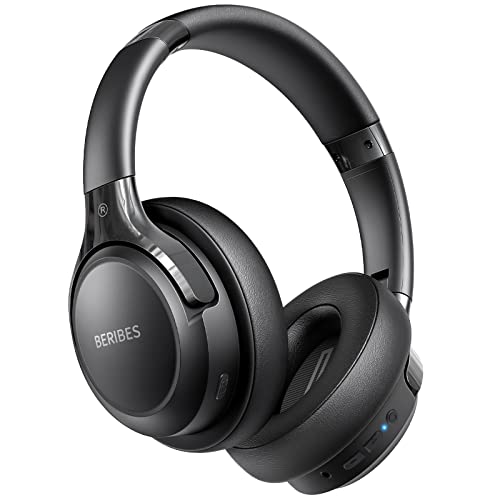
BERIBES Bluetooth Over-Ear Headphones 65H 6EQ
More On The Choices That Made The List
The MARLALL LiteSurge takes a different approach from every other pick on this list: instead of sealing inside your ear canals, it rests on the cheekbones and skips sound through the bone-conduction drivers, so you hear music while your ears stay open to ambient noise. That open-ear design is a genuine safety plus around water, traffic, or trail companions.
Where this pair pulls ahead of typical earbuds is its IP68 rating (a standard that certifies total dust sealing and full submersion beyond a meter of water) and a built-in 32 GB MP3 mode. You can leave your phone in the locker and load tracks straight onto the headphones, which is the only way Bluetooth wireless signal reaches you underwater. Bluetooth still works fine for runs or rides, but the moment you dive in, the onboard storage carries the session.
Everyday Wins
- IP68 sealing handles pool chlorine, sweat, and sudden rain without a case.
- Open-ear fit keeps situational awareness for cycling or running near traffic.
- Onboard 32 GB storage frees you from carrying a phone on laps.
- Bluetooth 5.4 pairing offers a stable, modern wireless link on land.
Things To Consider
- Audio underwater only works in MP3 mode since Bluetooth waves do not travel through water.
- Bone conduction delivers less bass impact than sealed in-ear or over-ear designs.
- Loading tracks requires a computer and basic file management, which is a small learning curve.
Key Specs
Who It Suits Best
Swimmers and triathletes logging pool laps or open-water miles who want music without dragging a phone into the water.
Swap It Out When
The Bose QuietComfort Headphones serve better for a frequent flyer who needs rich, isolated audio and active noise cancellation on flights instead of in-pool audio.
The TuneFlux over-ear pair targets the crowd that simply forgets to charge things, with an 80-hour advertised playtime and a foldable hinge that flattens neatly into a backpack pocket. It runs Bluetooth 5.3, which is a recent step that improves connection reliability over earlier 5.0 versions, and pairs easily with phones, laptops, and tablets alike.
Sound tuning leans warm, with 40mm acoustic drivers pushing forward through three selectable EQ (equalizer) modes for pop, bass, and balanced listening. For a commuter doing podcasts on the subway or a student bouncing between lectures, that mix of stamina and quick folding covers the daily grind without fuss.
A Few Highlights
- 80-hour battery life is enough for a full work week on one charge.
- Three EQ presets let you tune for podcasts, bass-heavy music, or balanced playback.
- Foldable design and soft ear pads suit long listening sessions.
- Bluetooth 5.3 supports steady streaming across phones, PCs, and tablets.
Worth Noting
- Microphone quality for video meetings tends to feel average compared to premium headsets.
- Passive isolation is limited, so loud cafés and airplane cabins still leak through.
- The rose gold finish shows scuffs more readily than matte black alternatives.
Right Fit For
Travelers and hybrid workers who want stamina and easy storage, and who do not need premium active noise cancellation.
Consider Something Else When
Commuters fighting rumble on a busy train will find stronger noise blocking in the Soundcore by Anker Q20i Hybrid Active Noise Cancelling Headphones.
Wired headphones are not old-fashioned: they sidestep battery anxiety entirely, and that is exactly why the OneOdio Pro-10 has stayed a steady companion for bedroom producers and DJ learners. Large 50mm drivers paired with neodymium magnets (a compact, powerful magnet type used in audio drivers) push clear bass and present mids, while the soft padded cups seal enough outside noise to keep your mix honest.
You plug straight into a controller, audio interface, or phone, and the included coiled cable stretches for turntable work without yanking the jack. It is the most studio-focused option in this roundup, and a sensible starting point before stepping up to pricier studio models.
What Works In Its Favor
- 50mm drivers deliver stronger low-end presence than most sub-$50 wireless headphones.
- Wired design means zero charging, zero pairing dropouts, and zero compression artifacts.
- Padded ear cushions hold up through long tracking and editing sessions.
- Compatible with phones, PCs, mixers, and guitars for at-home music making.
Room For Improvement
- No wireless mode means you stay tethered to your source device.
- Bulkier build than on-ear designs, so it lives mostly on a desk.
- Passive isolation is good but not as complete as active noise-cancelling pairs.
Key Specs
Made For
Beginner producers, bedroom DJs, and home-recording hobbyists who want accurate monitoring without paying studio-tier prices.
Look Elsewhere When
The OneOdio A71 Hi-Res Wired Studio Headphones suit someone editing podcasts and tracks who wants thicker ear pads for marathon sessions.
The Bose QuietComfort line has built its reputation on a simple promise: cut the noise, keep the music clean. Active noise cancellation (a technology where onboard microphones sample surrounding sound and generate an opposite signal to cancel it) reaches a wider band of low frequencies here, while the ear cushions add passive sealing for higher-pitched chatter. The result is the kind of quiet that lets a long-haul flight drift by unnoticed.
Sound leans balanced with strong bass weight, and the 24-hour battery is enough for international travel day trips. USB-C charging keeps cable clutter down, and the built-in mic handles hands-free calls without fuss.
A Favorable Mix
- Active noise cancellation handles airplane drone and HVAC hum cleanly.
- 24-hour battery covers long-haul travel between charges.
- USB-C charging aligns with the cable most people already carry.
- Onboard mic supports clear calls on commutes and remote meetings.
Honest Caveats
- Premium pricing puts it well above the rest of this list.
- Carry case adds bulk for travelers packing light.
- Sound signature is bass-forward, which may not suit listeners wanting flat studio response.
Best Suited To
Frequent flyers, open-office workers, and commuters who want the most polished noise cancellation available in this lineup.
Not Your Match When
Budget shoppers who still want solid ANC will find a friendlier price tag on the MOVSSOU E7 Active Noise Cancelling Headphones.
The MOVSSOU E7 has earned its keep in home offices and dorm rooms because it brings active noise cancellation to a price most shoppers can justify. Low-frequency rumble from HVAC systems and bus engines gets quieted, and the over-ear cushions block everyday chatter without squeezing your head.
For students studying in cafés or remote workers hopping between coffee shops, this is the kind of set that disappears onto your head for hours. Compared to the Bose QuietComfort, the noise reduction is not as surgical, but the comfort and the price hit a sweet spot for daily use.
A Strong Showing
- Active noise cancellation softens HVAC drone, traffic, and bus rumble.
- Plush ear cushions stay comfortable through long study or work sessions.
- Built-in microphone handles calls and online classes.
- Accessible price makes ANC realistic for tighter budgets.
Points To Keep In Mind
- High-frequency noise like nearby conversations leaks through more than premium rivals.
- Plastic build feels lighter, which helps comfort but raises long-term durability questions.
- Battery life is solid but not in the multi-day class of the TuneFlux pair.
Feature Snapshot
Who Will Love This
Students, remote workers, and casual commuters who want active noise cancellation without the premium price tag.
A Better Fit Elsewhere
Studio creators who need accurate reference audio will prefer the wired detail of the OneOdio Pro-10 Wired DJ Headphones.
Few pairs pull double duty the way the OneOdio A70 does. Wireless Bluetooth playback handles the morning commute, then the included cables (a 3.5mm to 3.5mm and a 3.5mm to 6.35mm adapter, which is the quarter-inch plug used on amps, mixers, and studio gear) keep music flowing when the battery runs dry. That hybrid approach makes the A70 a friendly companion for the desk and the couch alike.
40mm neodymium drivers deliver a punchy low end, and the aluminum fascia (the decorative plate covering the driver) gives the housing a slightly more refined feel than typical plastic studio sets. Up to 72 hours of wireless playback sets it ahead of most over-ear rivals in stamina.
What Earns Its Place
- Bluetooth and wired mode mean you never lose playback to a dead battery.
- 72-hour wireless runtime outlasts many over-ear competitors.
- 40mm neodymium drivers produce lively bass for music and casual DJ work.
- Dual cable sizes cover phones, laptops, and studio mixers out of the box.
Soft Spots
- Bulkier than typical commuter headphones for daily travel.
- No active noise cancellation, so noisy cafés still creep in.
- Mic quality is acceptable but not crisp for video calls.
Perfect Match For
Hybrid listeners who mix wireless streaming with wired studio work and want one pair to handle both cleanly.
Skip It When
Someone commuting on noisy transit will enjoy stronger cancellation on the Soundcore by Anker Q20i Hybrid Active Noise Cancelling Headphones.
The OneOdio A71 leans into the studio side of the catalog with a thicker padded design than its A70 sibling, built to seal your ears during long mixing and DJ prep sessions. Hi-Res audio support (a standard indicating the drivers can reproduce detail beyond standard CD quality) and 40mm drivers aim for accurate playback, so what you hear in your headphones translates more faithfully to speakers and earbuds later.
Wired playback keeps latency (the small delay between input and sound output) near zero for live monitoring, which matters when you are tracking vocals or cueing tracks. It is the most comfort-focused studio pick on this list and a sensible tool for anyone doing serious editing work.
What Makes Sense
- Hi-Res drivers handle detailed playback for mixing and mastering work.
- Thick padded cushions seal well and reduce ear fatigue during long sessions.
- Wired connection eliminates audio compression and pairing dropouts.
- Comfort-oriented build supports podcast editors and producers too.
Practical Considerations
- No wireless option, so you stay tethered to your interface or mixer.
- Bulkier than commuter-focused sets, so it lives mostly on a desk.
- Cable length may need an extension for some home studio layouts.
Built With In Mind
Home producers, podcast editors, and DJ learners who want accurate monitoring and marathon comfort over wireless convenience.
Another Choice May Suit
Listeners who want both wireless streaming and the option to plug in will appreciate the OneOdio A70 Bluetooth Over-Ear Headphones more.
Soundcore built the Q20i around a hybrid ANC setup, which uses both internal and external microphones to detect noise from inside and outside the cup. That wider sampling net pulls in cleaner cancellation across voices, traffic, and engine drone, which is a clear step up from single-mic designs at this price.
The 40mm dynamic drivers push a strong default sound, and BassUp technology adds a bass-heavy preset for workouts or commutes. For shoppers who want premium-style noise cancellation without crossing into premium pricing, the Q20i sits in a comfortable middle ground.
Reasons It Performs
- Hybrid active noise cancellation uses internal and external mics for cleaner quiet.
- 40mm dynamic drivers deliver punchy, detailed audio for music and podcasts.
- BassUp mode gives workouts and commutes extra low-end weight.
- Price sits well below flagship ANC models while covering most daily needs.
Points To Note
- Bass boost can muddy vocals for listeners preferring a flatter sound.
- Ear cushions may warm up during summer commutes or gym sessions.
- Build leans plastic, which helps weight but raises long-term durability questions.
Feature Rundown
Whose Shelf It Belongs On
Travelers, students, and remote workers who want flagship-style cancellation without paying flagship money.
Reach For A Different Pick When
An audiophile chasing reference accuracy may find the wired OneOdio A71 Studio Headphones better for critical mixing work.
The BERIBES pair is the roundup’s friendliest price point, and it shows up with a 500mAh battery rated for 65 hours of playback and six EQ sound modes. For students, casual listeners, and anyone who keeps losing charging cables, that runtime removes a lot of daily friction.
The included 3.5mm cable lets you switch to wired mode when power runs out, so the music keeps going through long flights or power outages. It is not built for noise cancellation or studio accuracy, but as a starter pair for everyday music, it covers the basics well.
Notable Upsides
- 65-hour battery life reduces how often you need to top off the charge.
- Six EQ presets offer flexible tuning for music, podcasts, and calls.
- Wired fallback cable keeps playback going when the battery runs dry.
- Low price makes it easy to recommend for casual or first-time shoppers.
Trade-Offs To Consider
- No active noise cancellation, so noisy environments still leak through.
- Plastic construction feels lighter but raises long-term durability concerns.
- Sound signature is pleasant but lacks the refinement of higher-tier models.
Feature Card
Who Should Grab It
Casual listeners, students, and first-time shoppers who want a long-running wireless pair at a friendly price.
Consider Something Else When
Commuters who need quieter rides and stronger bass will be happier with the Soundcore by Anker Q20i Hybrid Active Noise Cancelling Headphones.
How To Pick The Right Pair Without Overpaying
Matching headphones to your actual routine matters more than chasing the priciest spec sheet. Swimmers, commuters, studio creators, and casual listeners each benefit from different design priorities.
Fit And Form Factor
Over-ear headphones spread pressure across the entire ear and tend to seal more outside noise, which helps focus during long sessions. On-ear and open-ear styles feel lighter but leak more sound, which can matter in shared offices or quiet homes. Headphones with thicker padding typically feel better during marathon use, while lighter builds are easier on the neck during travel.
Connection Style: Wired Versus Wireless
Wired models remove battery anxiety and avoid wireless compression, which makes them popular for studio monitoring and DJ work. Wireless models free you from cables and pair easily across phones, tablets, and laptops. Bluetooth 5.3 and 5.4 represent the newer generation, offering steadier connections and broader compatibility than older 5.0 or 5.1 chips. Hybrid models with both wired and wireless modes offer the most flexibility, covering commute and studio use in one pair.
Active Noise Cancellation Versus Passive Isolation
Active noise cancellation (ANC) uses onboard microphones to detect and cancel ambient sound, especially effective against low-frequency drone like airplane cabins and HVAC hum. Passive isolation relies purely on the ear cup seal, which handles higher-frequency chatter but struggles with engine noise. ANC adds cost, so shoppers on tighter budgets may prefer solid passive sealing and a comfortable fit over premium cancellation.
Sound Tuning And Driver Size
Driver size influences how much air the headphone can move, and 40mm to 50mm drivers are common in over-ear designs. Larger drivers tend to produce stronger bass, while smaller drivers often favor detail in mids and highs. EQ presets (equalizer settings that adjust bass, mids, and treble) let you shift the sound signature between bass-heavy workouts and balanced podcasts without changing hardware.
Key Considerations Across These Picks
Where Shoppers Go Wrong
A common slip is picking headphones based on looks alone, then realizing the fit clamps too tightly or the ear cups run hot. Another trap is assuming active noise cancellation works equally well on every frequency, when ANC handles low drone far better than nearby voices. Battery life also gets overstated in marketing, so heavier volume and BassUp-style boosts will shorten runtime noticeably.
What Separates Premium From Basic
Higher-tier pairs typically combine hybrid ANC, refined tuning, longer warranties, and better build materials. The premium you pay covers steadier Bluetooth chips, more accurate drivers, and more comfortable padding for long sessions. Spending up is most worthwhile for daily commuters and frequent flyers who will feel the upgrade every day, while casual listeners often find plenty of enjoyment in budget picks.


