

You want headphones that pull real emotion out of a track, not just louder sound. The trouble is, separating genuinely musical cans from marketing fluff takes hours of digging through specs, reviews, and forum threads. This list rounds up ten over-ear options across wired studio workhorses, wireless travel companions, and open-back specialists, all without forcing you into flagship pricing. Each pick is sized up for who actually benefits, where it shines, and where a different choice in this lineup might serve you better.
The Lineup, Simplified

Audio-Technica ATH-M50x + Slappa HardBody Case

Audio-Technica ATH-M20x Studio Monitor Headphones

DOQAUS Wireless Over-Ear Headphones 90H

Sony MDR7506 Large Diaphragm Headphone

PreSonus HD7 Professional Monitoring Headphones
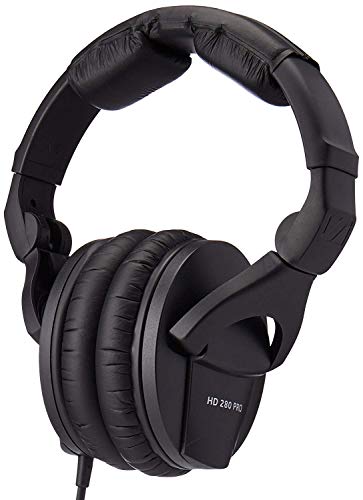
Sennheiser HD 280 Pro (Renewed)

MEZE AUDIO 105 AER Open-Back Headphones

Soundcore by Anker Q20i ANC Headphones
Philips Audio SHP9500 Open-Back Headphones
FiiO JT7 Planar Magnetic Over-Ear Headphones
Meet The Standout Selections
The ATH-M50x has earned its reputation as a closed-back workhorse, and pairing it with a Slappa HardBody case turns it into a ready-to-travel rig. You get the same 45 mm drivers that engineers have leaned on for years, but now with rigid shell protection that handles daily bag life. For anyone splitting time between a home desk and a friendlier apartment down the hall, the bundle simplifies ownership from day one.
Compared with the ATH-M20x covered below, this pair trades a touch of affordability for stronger isolation and richer low-end weight. The collapsible design (folding the earcups into the headband) matters when space is tight, and the detachable cable path means you can swap to a longer run for couch listening. It’s the most flexible wired pick in the roundup, which is why it leads the list.
A Strong Showing
- Closed-back earcups block roommate noise during late mixing sessions
- Detachable coiled cable adds reach for laptop-to-sofa setups
- HardBody case cushions drops and resists crushing in a packed backpack
- Fold-flat hinges shrink the footprint for stashing in a drawer
Points To Note
- Clamping force runs firm on first wears; the headband usually eases after a week of use
- Stock earpads can run warm during long summer sessions, a common note from owners
Quick Facts
Who It Suits Best
Home producers and commuters who want one pair that handles tracking sessions and playlists without skipping a beat.
Consider Something Else When
The Philips SHP9500 fits better if you mostly listen in a quiet room and crave a wider, more open soundstage.
The ATH-M20x is the gateway into Audio-Technica’s monitor line, built around 40 mm drivers tuned for honest low-frequency response. The circumaural (around-the-ear, not on-ear) shape creates a useful seal for tracking vocals in untreated rooms, and the single-side cable exit keeps the cord out of your way while you scribble notes or play an instrument. For first-time studio owners, that focus on fundamentals pays off.
The honest trade-off shows up in detail retrieval: cymbals and room reverb sit further back than they would on the M50x above. Listeners chasing subtle vocal texture may find that limitation noticeable, but anyone learning the craft gets a clean, uncolored window onto their work. It’s a textbook starter pick.
The Good Stuff
- Tuned low-end helps new producers hear bass mix decisions clearly
- Circumaural seal reduces bleed during vocal takes with a USB mic nearby
- Light frame keeps fatigue down across long study sessions
Honest Caveats
- Cable is fixed, so a snag near the plug can end the whole unit instead of just a cord
- High-end sparkle is mild by design, which can make mastered tracks sound softer than they should
Technical Sheet
Made For
Beginner producers and learners who want honest monitoring without stretching the budget.
Skip It When
The Audio-Technica ATH-M50x is a smarter pick if you need tougher isolation and a detachable cable for daily commutes.
The DOQAUS wireless over-ear plays the marathon card, with a 90-hour battery life that shrugs off long-haul flights and multi-day train trips. A short top-up buys several extra hours, and the bundled 3.5 mm cable keeps music alive when the battery finally quits. For travelers who forget to charge everything, that safety net matters.
What separates DOQAUS from the studio picks above is mobility. There is no need for an amp or a DAC (digital-to-analog converter that turns phone digital audio into an analog headphone signal); your phone drives them directly. Audiophile purists may want more detail, but for podcast-heavy flights and casual listening, the convenience factor wins out.
Real Benefits
- Up to 90 hours per charge covers a week of commuting for most people
- Quick-charge feature delivers hours of playback from a brief plug-in
- Wired fallback cable rescues you when wireless is unavailable
Points To Keep In Mind
- Sound profile skews consumer-friendly, so critical listening reveals less micro-detail than studio pairs
- Build leans plastic, which can scuff under rough backpack treatment over time
Who Will Love This
Travelers and commuters who prioritize battery life and convenience over pure analytical sound.
Look Elsewhere When
The Sony MDR7506 fits better if you only listen at a desk and want the studio reference sound most mixing tutorials reference.
The Sony MDR7506 is a broadcast classic, used in radio stations and post-production suites for decades. Its 40 mm drivers with neodymium magnets deliver a forward, detailed midrange that helps editors catch mouth clicks and microphone hiss. The closed-ear seal keeps outside sound out of your decisions during long tracking shifts.
The fixed 9.8-foot coiled cable is a love-it-or-leave-it detail, generous at a mixing desk but bulky on a short commute. Owners commonly report that the folding hinges develop a slight wobble after years of travel use, so gentle handling helps. Even so, very few alternatives at this price point match its detail retrieval.
Advantages To Know
- Neodymium magnets help cymbals, vocal sibilance, and tape hiss stand out in edits
- Long coiled cable suits fixed studio rigs without an extension
- Fold-flat design slides into a drawer when the session ends
Trade Offs To Consider
- Cable is not user-replaceable, so heavy wear may shorten the headphone’s working life
- Clamp pressure reads firm; glasses-wearers may want to plan for shorter breaks
Best Suited To
Podcast editors, indie engineers, and broadcast students who need dependable tracking reference sound.
Reach For A Different Pick When
The PreSonus HD7 suits you better if you want a more open, less closed-in feel for ambient music and acoustic sessions.
The HD7 stands apart from the closed-back crowd with a semi-open sound chamber, giving bass response room to breathe without bleeding into a live room. Its lightweight build adjusts to any head size, which matters for engineers who share cans with bandmates. Midrange accuracy is the headline trait, helping acoustic guitar and vocal-led mixes translate to speakers better.
Because the cups vent some sound, you wouldn’t grab these for a noisy subway. In a quiet bedroom studio or late-night mix session, the openness feels like a breath of fresh air compared with the closed-back M50x. It’s a niche tool, and that’s exactly its strength.
A Favorable Mix
- Semi-open chamber delivers bass depth without the boxy feel of closed cans
- Light frame eases long-session fatigue
- Accurate mids reveal vocal balance decisions clearly
Potential Drawbacks
- Sound leaks outward, so library or shared-room use is limited
- Less isolation means loud environments can mask quiet details
The Right Fit
Quiet-room mixers and acoustic-focused producers who want an honest read on mids and treble.
A Better Fit Elsewhere
The Sennheiser HD 280 Pro (Renewed) suits you better if you need firm isolation for loud environments or field recording.
The HD 280 Pro is a long-standing choice for stagehands, broadcasters, and field recordists, and the renewed route lets you step in at a friendlier outlay. Its closed, around-the-ear design drives isolation hard, useful when you’re tracking drums or working beside a roaring HVAC (heating, ventilation, and air conditioning) unit. The rugged headband and modular cable path hold up to daily gig abuse.
The renewed condition varies by unit, so inspect pads and headband padding on arrival. For shoppers who prioritize isolation and durability over absolute neutrality, this is a dependable workhorse. Audiophiles chasing airy treble may prefer the open-back picks further down the list.
Notable Gains
- Aggressive isolation handles live tracking and loud office settings
- Modular cable design eases replacement after heavy wear
- Reinforced headband survives travel between gigs
Some Limits To Know
- Renewed units vary in cosmetic condition; ask about return windows before committing
- Sound signature sits warm rather than analytical
Feature Rundown
Built With In Mind
Live sound engineers and broadcasters who need tough isolation and a replaceable cable on the road.
Swap It Out When
The MEZE 105 AER is a smarter pick if you mostly listen at home and want a more refined, open-back tone.
MEZE’s 105 AER is the lush, refined option in this roundup, built around 50 mm dynamic drivers in an open-back chassis. The 42 ohm impedance (the electrical resistance the headphone presents to your amplifier; lower numbers are easier to drive) keeps it friendly to phones and modest DACs, while the included cable and carrying pouch make ownership simple from the first day. Tonally, the AER aims for balance across genres rather than a single spotlight.
Open-back designs (headphones with grilles that let air and sound pass through the cups, creating a wider, more natural stage but also letting sound leak in and out) leak sound in both directions, so library use is out. In a quiet home, though, the soundstage feels room-sized, and the included pouch protects them between sessions.
Why It Works Well
- Open-back voicing delivers an expansive, room-friendly soundstage
- Low impedance plays nicely without a dedicated headphone amp
- Carrying pouch keeps the cups safe between couch listening sessions
- Versatile tuning handles jazz, classical, indie, and modern pop gracefully
Where It Is Less Suited
- Open grilles leak sound, so shared spaces are tricky
- Premium positioning pushes the price above most budget studio picks on this list
Perfect Match For
Home listeners with a quiet room who want a more refined, music-first headphone than typical closed-back studio pairs.
Not Your Match When
The Philips SHP9500 is a friendlier budget pick if open-back staging appeals but you want to spend less.
The Q20i takes a different route with hybrid active noise cancellation (a system using both feedforward and feedback microphones to cancel a broader range of outside noise) backed by 40mm dynamic drivers. Two internal and two external microphones work together to take the edge off trains, planes, and busy offices. BassUp tuning adds a low-end lift that suits pop, hip-hop, and gaming sessions.
For shoppers stepping up from basic earbuds, the wireless freedom and ANC are the headline wins. Audiophiles chasing flat response will find the bass lift a touch much, but most casual listeners enjoy that warmth. The trade-off is plain: portability and quiet over pure analytical sound.
What Makes Sense
- Hybrid ANC softens engine drone on commutes and flights
- Wireless design removes cable hassle at the gym or café
- 40 mm drivers add weight to modern bass-heavy tracks
Factors To Consider
- Bass-forward tuning colors the sound, which may not suit acoustic purists
- ANC can introduce a faint hiss in very quiet rooms
Whose Shelf It Belongs On
Commuters and remote workers who want wireless noise cancellation at a reasonable price.
Where Another Pick Suits Better
The Audio-Technica ATH-M50x is the right call when you want a wired, studio-neutral reference instead of wireless ANC.
The SHP9500 has built a quiet following among couch listeners who want spacious sound without flagship pricing. Its 50 mm neodymium drivers deliver a balanced signature with crisp bass and natural mids, and the open-back design pushes the soundstage well beyond closed-back competitors. Comfort is genuinely strong, with breathable earpads that handle movie marathons without cooking your ears.
The honest read is that isolation is essentially zero; these belong in a quiet room, not a subway. A gold-plated cable connection and a steel headband add long-term durability, which owners commonly cite as a strength. If you want musical listening and don’t need to block the world, this pair punches far above its tier.
Features That Help
- Open-back stage gives recordings a room-filling sense of space
- Breathable earpads keep long sessions cool and comfortable
- Gold-plated cable connection supports long-term ownership
- Lightweight steel headband spreads pressure evenly
Less Ideal Details
- Open design lets outside sound bleed in and music leak out
- Bulkier frame is less travel-friendly than folding closed-back picks
Right Fit For
Home listeners who want musical, spacious sound and prioritize comfort above isolation.
Another Choice May Suit
The MEZE 105 AER is the upgrade path when you want a more refined open-back tone and a premium build.
The JT7 steps into the planar magnetic category (a driver design that uses a thin, flat diaphragm with embedded conductors and magnets, prized for low distortion and detailed bass) with a self-developed 95x86mm driver and an ultra-thin 3µm diaphragm (a sub-millimeter membrane that moves quickly for fast transient response). The result is wide staging, fast transients (the sharp leading edge of a musical note), and bass that stays controlled even during dense orchestral passages. Detachable 4.4 mm and 3.5 mm cables let you match balanced or single-ended sources (balanced connections carry the audio signal on separate wires for less crosstalk and noise; single-ended uses one wire per channel).
The foldable frame softens a usual planar weak point, namely travel size. To get the most from this headphone, a competent source is helpful, so budget for a DAC if your phone alone feels underwhelming. Listeners who already lean toward detail retrieval will hear the difference immediately.
What Helps Most
- Planar magnetic driver delivers low-distortion bass and clean mids
- Wide soundstage supports large ensemble and orchestral recordings
- Detachable cables include 4.4 mm balanced and 3.5 mm options
- Foldable design helps storage in tighter spaces
Things To Weigh
- Planar drivers benefit from a stronger source; phone-only use leaves performance on the table
- Open-back design lets sound in and out, ruling out loud spaces
Quick Technical Notes
Who Should Grab It
Audiophiles running a competent source who want planar resolution at a budget-tier price point.
Where A Sibling Pick Shines
The Philips SHP9500 fits better for anyone wanting an open-back stage without investing in a dedicated DAC.
Finding The Best Match For Your Listening Style
Closed-back or open-back comes down to where you listen most. Closed-back designs isolate sound, so they suit shared rooms, commutes, and tracking sessions where bleed would muddy your recording. Open-back designs vent sound through grilles in the cups, opening up a wider, more spacious stage but letting outside noise creep in and music leak out, so they really need a quiet room to shine.
Driver type changes the texture of sound, too. Dynamic drivers (the classic moving-coil design found in most headphones) push air with a diaphragm attached to a voice coil, which gives punchy bass and an easy load for phones. Planar magnetic drivers use a thin flat diaphragm suspended between magnets, delivering faster transients, lower distortion, and a more controlled bass response, but they usually benefit from a more powerful source like a dedicated DAC/amp (a small external device that handles digital-to-analog conversion and amplifies the signal for headphones).
Comfort, cable, and clamping force deserve a real listen whenever possible. The same pair can feel light or heavy depending on head shape, and a detachable cable turns a broken cord into a five-dollar fix instead of a landfill trip. Earpad material matters too: velour breathes more than leatherette, which helps during long couch sessions.
Smart Considerations Before You Commit
Mistakes Worth Dodging
A common slip-up is chasing bass boost and mistaking it for detail. A headphone that thumps hard may hide cymbals and vocal texture, leaving you with a flattering first impression that fades after a week. Reading into driver type and tuning tells you more than first-day excitement.
Another trap is ignoring source power. Planar magnetic and high-impedance designs (headphones that resist the flow of electrical current, usually above 100 ohms, requiring more voltage to reach loud volumes) often demand a DAC/amp to shine, and pairing them with a phone alone leaves performance on the table. Conversely, low-impedance headphones paired with a desktop amp can sound harsh or overly loud. Match the headphone to your existing chain rather than guessing.
Where The Extra Money Goes
Higher-tier models typically invest in planar or specialized dynamic drivers, premium earpad materials, and detachable, often balanced, cables. You also tend to get tighter quality control, so left-right matching is closer and the headband hardware lasts longer. Whether the upgrade matters depends on how you listen.
If your daily use is short, casual sessions, the gap between budget and premium shrinks. For long, attentive listening with a quiet source, the extra detail and lower fatigue of a higher-tier pair become obvious. Choose based on the listening time you actually have, not the marketing claims.
Frequently Asked Questions
What makes headphones “audiophile-grade” without spending a fortune?
Audiophile-grade typically refers to accurate tuning, low distortion, and a wide frequency response (the range of bass to treble the headphone can reproduce, e.g. 20 Hz to 20 kHz covers the full range of human hearing). Many budget pairs now hit these targets with quality dynamic or planar drivers, detachable cables, and comfortable builds.
Do I need an amp or DAC for budget audiophile headphones?
Low-impedance dynamic drivers often play fine from a phone or laptop. Planar magnetic designs and higher-impedance picks usually benefit from a dedicated DAC/amp to reach full performance. Try your existing source first, then upgrade only if you notice weak dynamics or low volume.
Are open-back headphones safe for shared spaces?
Open-back headphones leak sound both ways. In a quiet, private room they sound excellent. In shared or quiet spaces like libraries or offices, they will disturb others and pick up background noise, so a closed-back model is a better pick.
How long should budget audiophile headphones last?
With normal care, most quality budget pairs last several years. Replaceable earpads and detachable cables extend life significantly, since those are the parts that wear first. Store them on a stand rather than dangling from a peg to protect the headband.
Is wireless audiophile sound possible at a budget price?
Wireless performance has improved, but most true audiophile detail still flows through wired connections. Wireless options like the Soundcore Q20i offer great convenience and noise cancellation, though critical listeners usually prefer a wired source for serious sessions.
Wrap Up
The right pair depends on where you listen, what you listen to, and how much detail you actually chase. Closed-back studio picks reward shared spaces and tracking sessions, while open-back models reward quiet rooms with their spacious staging. Pick the design that fits your real environment, then let your source chain and comfort guide the rest.


