

A solid smartphone no longer demands flagship pricing. Today’s affordable handsets handle streaming, navigation, photography, and multitasking with surprising grace, making them smart choices for students, first-time smartphone owners, commuters, and anyone tired of paying premium prices for features they barely use. The trick is matching specs to your actual habits, not chasing the shiniest spec sheet. This guide breaks down nine models that punch above their tier, with honest trade-offs included so you walk away with the right fit, not just the cheapest option.
A Quick View Of The Lineup

OnePlus 13R Dual-SIM Unlocked Android Smartphone (Nebula Noir)

Samsung Galaxy A17 6.7″ Dual SIM 4G Smartphone (Black)

Poco M7 Pro 5G 256GB + 12GB Dual Camera Smartphone (Purple)

Google Pixel 9a Unlocked Android Smartphone 128GB (Obsidian)

Motorola Moto G35 5G 256GB Smartphone (Sage Green)
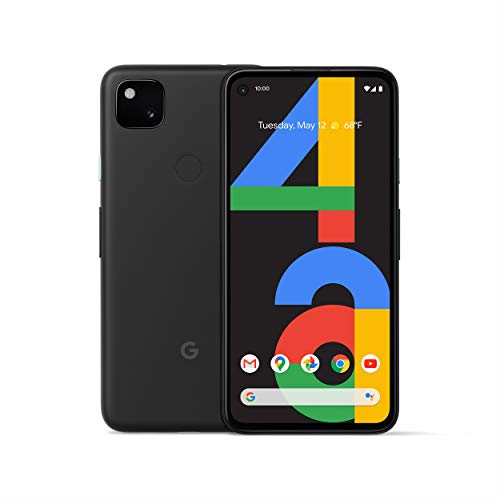
Google Pixel 4a Unlocked Android Smartphone 128GB (Just Black)
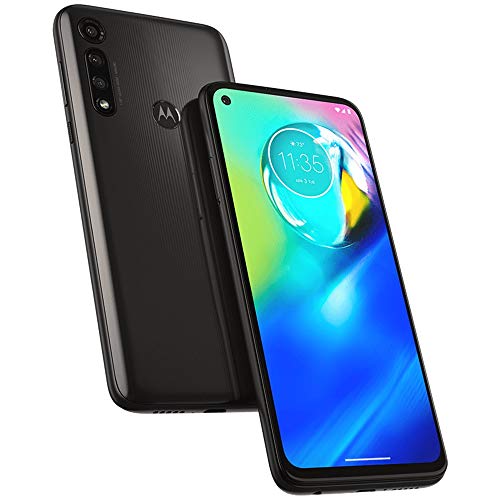
Motorola Moto G Power Unlocked 64GB Smartphone (Black)

Samsung Galaxy S23 FE 128GB Unlocked Smartphone (Graphite)

Samsung Galaxy S24 FE 128GB Unlocked Smartphone (Graphite)
More On The Choices That Made The List
The OnePlus 13R sits at the top of the budget tier thanks to its Snapdragon 8 Gen 3 chipset, the same silicon family that powered last year’s flagships. That means heavy apps launch quickly, and demanding 3D games run at smooth frame rates without the thermal throttling common in cheaper phones.
For anyone coming from an older mid-range device, the jump in responsiveness is noticeable the first time you open a multitasking-heavy workflow. Owners commonly report that the 55W SUPERVOOC charging system refills a significant chunk of the battery in under half an hour, which is a real lifesaver on busy mornings.
Where It Helps
- Snapdragon 8 Gen 3 delivers flagship-class speed for gaming and multitasking
- 55W SUPERVOOC fast charging minimizes downtime during short plug-in windows
- 12GB RAM keeps apps suspended longer, reducing reload frustration
- 256GB storage fits large game libraries and offline media collections
- Dual-SIM support helps travelers and work-life separation setups
Things To Consider
- Premium positioning means it competes with discounted flagships in the same range
- Camera system is capable but not class-leading for low-light photography
Key Specs
Right Fit For
Mobile gamers, power users, and anyone running demanding apps who wants near-flagship speed without paying flagship pricing.
Consider Something Else When
Photography enthusiasts should compare the Google Pixel 9a, which leans harder into computational camera smarts at a similar tier.
Samsung’s Galaxy A-series has long been the safe harbor for shoppers who want reliability without surprises, and the Galaxy A17 continues that tradition. The 6.7-inch display gives videos and reading apps room to breathe, while the 5000mAh battery is the kind of capacity that survives a full workday with room to spare.
Compared to the OnePlus 13R’s raw horsepower, the A17 trades benchmark scores for steadier, more predictable behavior. You won’t win any speed contests, but for messaging, social apps, video calls, and casual photography, the experience feels smooth and dependable. The hybrid dual-SIM tray also supports microSD expansion, handy for anyone hoarding offline playlists or photo archives.
What Pays Off
- 5000mAh battery comfortably lasts a full day of mixed use
- 6.7-inch screen suits streaming, reading, and split-view productivity
- Hybrid dual-SIM plus microSD slot adds storage flexibility
- USB Type-C port uses a modern, widely available cable standard
Worth Noting
- 4G-only connectivity, so 5G speeds aren’t on the menu here
- Processor is tuned for everyday tasks rather than heavy gaming
Quick Facts
Made For
Everyday users, light multitaskers, and anyone who values battery life and a large screen over benchmark numbers.
Look Elsewhere When
Gamers and power users should weigh the OnePlus 13R, which delivers noticeably stronger processing performance.
The Poco M7 Pro 5G arrives packed with specifications that read more like a wish list than a budget phone brief. A 120Hz refresh rate makes scrolling and animations feel fluid, and 12GB of RAM is generous for the tier. The 50MP main camera includes optical image stabilization (OIS), which steadies handheld shots and helps low-light capture.
One important note: in the US market, this device is designed to work on T-Mobile, Mint, Tello, and other carriers operating under the T-Mobile network, requiring an active SIM. Outside the US, it works on any GSM carrier. For shoppers on AT&T or Verizon, this is a critical compatibility detail to verify before purchasing.
Positive Points
- 120Hz display delivers noticeably smoother scrolling and animations
- 50MP main camera with OIS improves handheld and low-light shots
- 12GB RAM supports heavy multitasking without aggressive app killing
- 256GB storage leaves plenty of room for apps and media
- 5G support future-proofs the device on compatible networks
Points To Note
- US carrier compatibility is limited to T-Mobile network brands
- Requires an already-activated SIM card at setup in the US market
Best Suited To
Shoppers on T-Mobile or Mint who want flagship-adjacent specs, especially smooth display performance and OIS camera quality, at a budget-friendly price.
Reach For A Different Pick When
AT&T or Verizon subscribers should consider the Samsung Galaxy A17, which avoids carrier compatibility headaches.
The Pixel 9a brings Google’s computational photography and Gemini AI smarts to a price point that opens up flagship-style software to more shoppers. Where the OnePlus 13R wins on raw processing power, the 9a counters with smarter photo editing, longer guaranteed software support, and an all-day battery that adapts to how you actually use the device.
AI photo editing tools let you erase unwanted objects, relocate subjects, and refine images without third-party apps. For social media creators and casual photographers, those tools can replace a separate editing subscription. The unlocked design also means you pair it with whichever carrier suits your plan, including major US networks.
Useful Touches
- AI photo editing streamlines social content creation without extra apps
- Long battery life supports a full day of mixed heavy use
- Extended security and OS support window keeps the phone current
- Unlocked design works across major US carriers
Room For Improvement
- Processor trails flagship-class chips in raw gaming benchmarks
- Premium pricing for the budget tier limits accessibility
Who Should Grab It
Photo lovers, social creators, and Pixel fans who want AI-assisted editing and long software support in a mid-priced package.
Not Your Match When
Gamers chasing top frame rates should consider the OnePlus 13R, which leads on processing power.
The Moto G35 5G leans into the kind of practical features that matter in everyday use. The 6.72-inch FHD+ display offers plenty of real estate for streaming shows and scrolling through social feeds, and the 5000mAh battery is the kind of capacity that survives a heavy day without a midday top-up.
The 50MP AI-assisted camera handles typical point-and-shoot needs, while 5G connectivity keeps downloads and video calls snappy on supported networks. Compared to the Samsung Galaxy A17, this phone adds 5G and a slightly larger display, making it a sensible step up for shoppers who stream frequently.
The Upside
- 6.72-inch FHD+ display enhances video and reading immersion
- 5000mAh battery supports long days away from outlets
- 5G connectivity future-proofs the device on modern networks
- 256GB storage fits large media libraries without constant cleanup
Honest Caveats
- Camera performance lags behind Pixel and Samsung in challenging light
- 8GB RAM is sufficient but not as generous as the Poco M7 Pro 5G
Built With In Mind
Heavy streamers, commuters, and shoppers who want a large screen and 5G speeds at a reasonable price.
Swap It Out When
Photography-first shoppers should compare the Google Pixel 9a, which offers stronger computational camera performance.
The Pixel 4a is a few generations old now, but it remains a genuinely useful entry point for first-time smartphone owners or anyone who wants a clean Pixel experience without the premium price. The 12MP dual-pixel rear camera punches above its age, and Night Sight mode still impresses for low-light snapshots.
The Titan M security chip helps protect passwords and sensitive data, while the Adaptive Battery learns which apps you actually use and reduces power to the ones collecting digital dust. For light users who mostly message, browse, and take casual photos, this is a comfortable, compact companion.
A Strong Showing
- Compact form factor fits comfortably in smaller hands and pockets
- Night Sight mode captures usable low-light photos without flash
- Titan M security chip protects sensitive data at the hardware level
- Unlocked design pairs with Verizon, T-Mobile, AT&T, and Google Fi
- Adaptive Battery learns habits to extend daily endurance
Factors To Consider
- Older chipset limits heavy gaming and intensive multitasking
- Software update window has ended, so security patches are no longer guaranteed
- 5G connectivity is absent on this older generation
Feature Card
Perfect Match For
First-time smartphone owners, light users, and anyone seeking a compact Pixel experience at a low price.
A Better Fit Elsewhere
Shoppers needing current software support should consider the Samsung Galaxy A17, which is a newer release.
The Moto G Power earned its name honestly: a 5000mAh battery that can stretch across multiple days of light use, depending on screen time and network conditions. For travelers, field workers, and anyone who forgets to plug in overnight, that endurance changes how you relate to a phone.
The 16MP camera and 6.4-inch Full HD+ display cover the basics without fanfare. This is an older release, so buyers should expect modest processing power and an experience aimed at communication and media rather than gaming. The unlocked design pairs with most major US carriers.
Benefits That Matter
- Multi-day battery life reduces charger anxiety on trips
- Unlocked design works with most major US carriers
- 6.4-inch FHD+ display delivers sharp video and text
Possible Compromises
- 64GB storage fills up quickly with modern apps and photos
- Older chipset limits demanding apps and gaming titles
- Camera performance is basic compared to newer budget models
- Software support window has closed
Whose Shelf It Belongs On
Travelers, field workers, and light users who prize battery endurance over flagship polish.
Skip It When
Power users should compare the OnePlus 13R, which delivers far stronger performance for the same general use.
The Galaxy S23 FE (Fan Edition) distills much of what makes Samsung’s flagship S-series appealing into a more affordable package. Gorilla Glass on the display adds durability for daily knocks, while the 50MP main camera captures detailed shots in good light. Galaxy AI features like real-time translation and intelligent photo editing add genuine utility beyond novelty.
Compared to the Galaxy A17 reviewed earlier, this phone steps up noticeably in build quality, camera capability, and processor performance. For Samsung loyalists who want an S-line experience without paying flagship prices, the FE series has historically been the smart compromise.
Reasons It Performs
- Premium build with Gorilla Glass display protection
- 50MP main camera delivers sharp, detailed photos
- Galaxy AI tools enhance productivity and travel scenarios
- Long battery life handles heavy use across a full day
Soft Spots
- Higher price than typical budget options in this lineup
- FE-series specs trail current flagship Galaxy models
Who Will Love This
Samsung loyalists upgrading from older mid-range devices who want flagship-tier design and AI features at a reduced cost.
Where A Sibling Pick Shines
Shoppers seeking newer AI enhancements and a brighter display should compare the Samsung Galaxy S24 FE reviewed next.
The Galaxy S24 FE builds on the S23 FE with a brighter AMOLED display, refined Galaxy AI capabilities, and a polished design language that carries the S-series DNA forward. For shoppers who create content, work on the go, or want their phone to double as a translation tool, Photo Assist and real-time translation features are genuinely useful rather than gimmicky.
The 50MP camera captures detailed stills, and the bright AMOLED panel makes outdoor visibility far less of a struggle than older LCD-equipped budget phones. Compared to the OnePlus 13R’s gaming focus, the S24 FE leans toward productivity and creative tooling, making it a stronger fit for office-leaning professionals and content creators.
What Helps Most
- Bright AMOLED display improves outdoor visibility and media viewing
- Galaxy AI features like Photo Assist streamline editing workflows
- Real-time translation aids travel and multilingual communication
- 50MP camera captures detailed photos in varied conditions
- Long battery life supports heavy productivity days
A Few Limitations
- Costs more than most budget alternatives in this lineup
- Some Galaxy AI features require Samsung account sign-in
- Charging speeds trail dedicated fast-charging competitors
Right Fit For
Content creators, productivity-focused professionals, and Samsung fans who want AI tools and a premium display at a lower-than-flagship cost.
Another Choice May Suit
Shoppers who prioritize raw gaming performance over AI features should consider the OnePlus 13R instead.
What Matters Most Before Choosing Budget Mobile Phones
Performance Versus Everyday Use
A chipset (the main processor that powers everything your phone does) determines how smoothly apps launch, how games run, and how the device handles multitasking. For light users who message, browse, and stream, a mid-range processor delivers a perfectly smooth experience. For mobile gamers and heavy multitaskers, prioritize devices with flagship-class silicon like the Snapdragon 8 Gen 3 found in the OnePlus 13R. RAM (random access memory, which holds apps ready in the background) matters too: 8GB is the comfortable floor for modern Android, while 12GB future-proofs the device for heavier use.
Battery Life And Charging Habits
Battery capacity, measured in mAh (milliamp hours, where higher numbers mean longer runtime), is the headline spec, but real-world endurance depends on screen brightness, refresh rate, and network usage. A 5000mAh battery is the practical sweet spot for all-day use without a midday top-up. Fast charging wattage matters for shoppers who plug in briefly between meetings or commutes; the difference between 25W and 55W charging adds up over years of ownership.
Display Quality And Refresh Rate
Refresh rate (how many times per second the screen redraws, measured in Hz) has quietly become one of the most noticeable quality-of-life upgrades. A 120Hz panel makes scrolling, animations, and gaming feel markedly smoother than the older 60Hz standard. AMOLED displays offer deeper contrast and better outdoor visibility than LCD panels, though they typically command a price premium.
Carrier Compatibility And Connectivity
Unlocked phones work with multiple carriers, but specific bands and network compatibility vary by model. Before buying, confirm the device supports your carrier’s network: a phone marketed for T-Mobile networks may not work seamlessly on AT&T or Verizon. 5G support adds future-proofing for shoppers who keep phones for several years, though 4G remains plenty fast for most daily tasks.
Camera Systems And Real-World Use
Megapixel counts make for good marketing, but image quality depends on sensor size, optical image stabilization (OIS, which physically steadies the lens to reduce blur), and computational photography. For social media and casual photography, modern budget phones deliver shareable results. For serious photography, the Pixel series consistently leads the budget tier through smart software processing.
Smart Choices And Where Budget Phones Differ
Common Shopping Slip Ups
The most common mistake is chasing the cheapest option without considering software support. Older phones may lack current security patches, leaving your data exposed over time. Another trap is overlooking carrier compatibility, especially with international models like the Poco M7 Pro 5G that work only on specific US networks. Spec sheet shopping without real-world context also leads to disappointment: a high megapixel count doesn’t guarantee good photos if the sensor and processing are weak.
Where The Extra Money Goes
Stepping up from a basic budget phone to a mid-range or premium-feeling model typically buys you a better chipset, a higher-quality display, improved camera processing, and longer software support. The OnePlus 13R justifies its higher position with flagship-tier silicon, while the Galaxy S24 FE earns its price through AI features and a premium AMOLED panel. For shoppers who keep phones three or more years, that extra investment often pays back through longer usability and stronger resale value.
Frequently Asked Questions
What Defines A Budget Mobile Phone In 2026?
Budget mobile phones typically include devices that handle daily communication, streaming, photography, and casual gaming without flagship pricing. The category covers everything from entry-level Android models under $200 to mid-range devices that approach premium performance at a notable discount.
Is 5G Necessary On A Budget Phone?
5G support future-proofs a device for the next several years, though 4G remains fast enough for streaming, video calls, and downloads in most regions. Shoppers who keep phones three or more years benefit from 5G; those who upgrade more frequently can save by choosing 4G-only models.
How Much RAM Do Budget Phones Need?
8GB is the comfortable minimum for modern Android, allowing smooth multitasking and app retention. 12GB, found in models like the OnePlus 13R and Poco M7 Pro 5G, provides extra headroom for gamers and heavy multitaskers who want apps to stay suspended in the background.
Do Budget Phones Get Software Updates?
Software support varies widely by manufacturer. Google Pixel devices typically receive the longest update windows, while Samsung’s Galaxy A-series and FE models offer multi-year security patches. Older or off-brand budget phones may stop receiving updates sooner, so verify the support window before buying.
Should You Buy Unlocked Or Carrier-Locked?
Unlocked phones offer flexibility to switch carriers, use international SIMs during travel, and avoid carrier bloatware (pre-installed apps you didn’t choose). Carrier-locked models sometimes cost less upfront but tie you to a specific network. Most shoppers benefit from unlocked devices unless a deep carrier discount applies.
Final Verdict
The right budget mobile phone depends less on chasing specs and more on matching the device to your daily habits. Heavy gamers and multitaskers gravitate toward the OnePlus 13R, while photography enthusiasts find their match with the Pixel 9a. Travelers and battery-first shoppers should give the Moto G Power a serious look, and Samsung loyalists get genuine value from the S23 FE or S24 FE. Start with the use case, not the price tag, and the right pick usually reveals itself pretty quickly.


