

You don’t need to spend a fortune to enjoy a great movie night. Whether your phone screen feels cramped, your laptop is tethered to the kitchen counter, or you just want a dedicated screen for the kids, a budget tablet fills that gap nicely. The trick is matching screen size, storage, and app access to your actual habits: solo reading in bed, family streaming in the living room, travel entertainment on a long flight. The nine picks below cover exactly those situations, and the buying guide explains what to weigh before you commit.
The Choices Worth Comparing
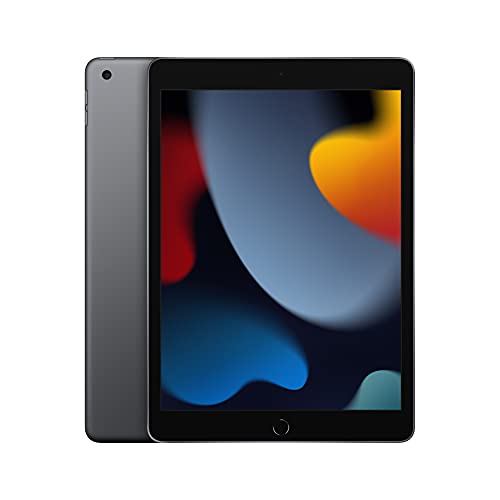
Apple iPad (9th Generation) A13 Bionic 10.2-inch 64GB Wi-Fi Space Gray
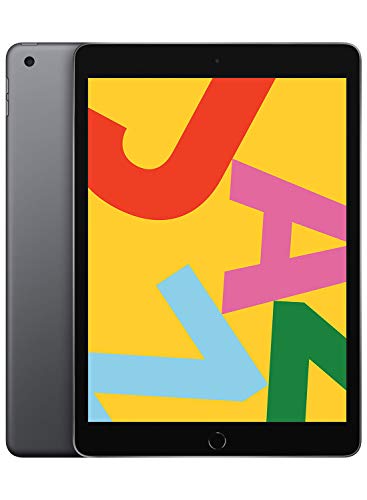
Apple iPad 10.2-inch Wi-Fi 32GB Space Gray

Apple iPad Wi-Fi 32GB Gold
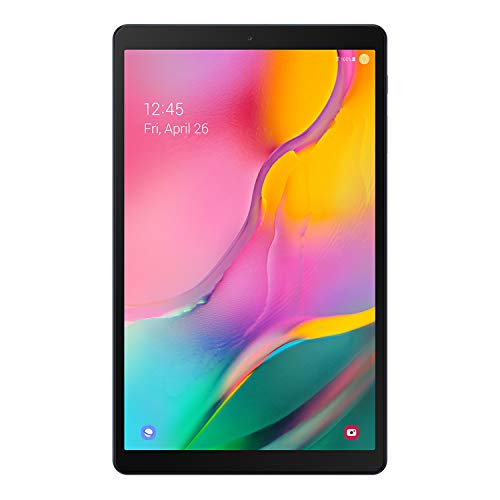
Samsung Galaxy Tab A 10.1 128GB Wi-Fi Silver
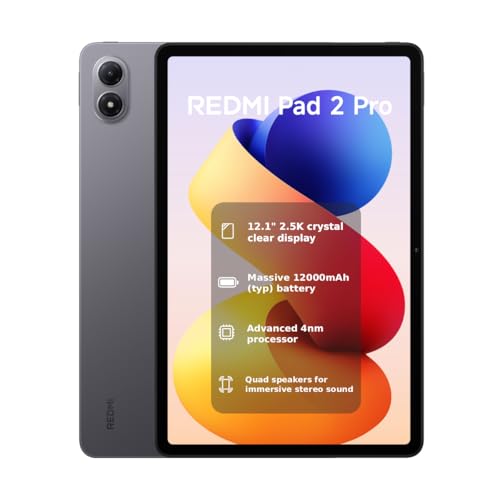
XIAOMI Redmi Pad 2 PRO 12.1-inch 256GB Wi-Fi Gray
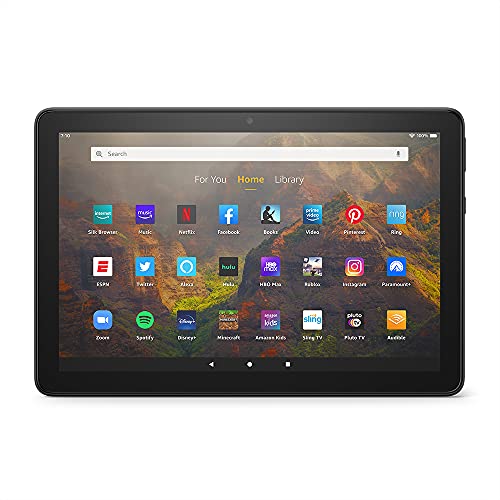
Amazon Fire HD 10 tablet 10.1-inch 32GB Black
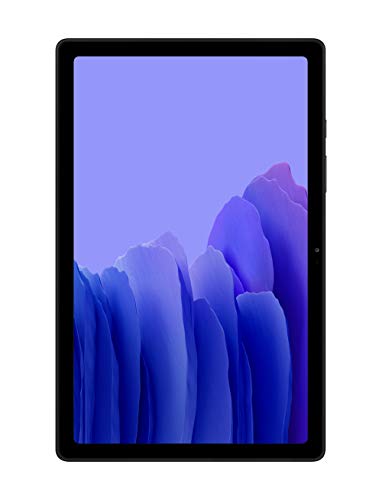
Samsung Galaxy Tab A7 10.4 Wi-Fi 64GB Gray

Apple iPad 2025 A16 11-inch 256GB Pink Renewed

Samsung Galaxy Tab A 10.1 32GB Wi-Fi Black
More Details On Our Top Picks
The 9th generation iPad is the sweet spot for most movie watchers, because it pairs a crisp 10.2-inch Retina display with the still-capable A13 Bionic chip. That combination keeps streaming apps responsive and handles modern video codecs without stuttering, even when you flip between Netflix, a downloaded show, and a quick browser search.
Unlike the older iPads further down this list, this generation keeps the 12MP front camera and a lighter-than-laptop build, so it works just as well propped on a kitchen counter as it does on a long flight. The 64GB of storage is enough for a few downloaded series plus your everyday apps, though heavy offline collectors may want to look at the Galaxy Tab A 128GB option instead.
Advantages To Know
- The Retina screen renders streaming video at a level that hides its budget position, especially in dimmer rooms.
- A13 Bionic is still quick enough that app crashes during a movie are rare, even with background updates.
- App Store access means every major streaming service runs natively, with reliable HD playback.
- Touch ID keeps the device easy to share among family members without typing passwords each time.
- For most people, the all-day battery life covers a couple of feature films before reaching for a charger.
Things To Consider
- 64GB fills up quickly if you download movies for flights, so casual offline viewers may find the storage tight.
- The screen is non-laminated, meaning a faint gap appears between glass and image, noticeable mainly in direct sunlight.
- Owners commonly report the Lightning connector feels dated next to USB-C accessories, so existing cables may need adapters.
Who It Suits Best
Casual streamers who want a single reliable tablet for couch viewing, travel, and the occasional video call will get the most from this pick.
Consider Something Else When
Heavy offline collectors should look at the Samsung Galaxy Tab A 10.1 128GB, since its larger built-in storage swallows a season of downloaded movies without forcing deletions.
This older 10.2-inch iPad is the budget entry point for shoppers willing to trade a generation of speed for a noticeably lower price. The A10 Fusion chip is older, but it still drives streaming apps smoothly enough for everyday watching, particularly when the action stays in your home Wi-Fi network rather than juggling heavy multitasking.
Where the 9th generation iPad above adds a faster chip and sharper front camera, this model keeps the same display size while trimming storage to 32GB. That makes it a reasonable starter pick for a child’s first tablet or a guest-room device, though you may find the storage too tight once a few streaming services and games get installed.
Good Reasons To Consider
- The 10.2-inch Retina panel still looks clean for streaming, holding up well at typical couch-viewing distances.
- iPadOS gives access to the full app catalog, so missing features compared to newer iPads is rare.
- Touch ID keeps sign-ins quick, which matters when multiple family members grab the device.
Trade Offs
- 32GB fills up fast with even a single offline movie series, so managing storage becomes a weekly chore.
- The A10 chip shows its age during heavy multitasking, occasionally stuttering when switching between a download and a stream.
- The older 1.2MP front camera produces softer video calls compared to newer iPads, which matters if FaceTime is part of the routine.
Made For
Casual home viewers who mostly stream rather than download, and want a familiar Apple experience at the lowest possible entry cost.
Look Elsewhere When
Anyone needing more storage headroom should consider the Samsung Galaxy Tab A 10.1 128GB, which offers double the space for offline movie collections.
This 9.7-inch iPad is the most portable option in the lineup, and that smaller footprint changes how you actually use it. The screen feels closer to a large paperback than a kitchen-counter display, which makes it ideal for bedside viewing or pulling out on a train where space matters more than image size.
Compared to the 10.2-inch iPads above, the A10 Fusion chip and 32GB of storage mark this as a true entry-level tablet, while the Gold finish offers a warmer look that stands out from the usual gray tablets. Movie purists may miss the larger canvas, but travelers and bedside readers tend to appreciate the lighter grip weight.
Positive Points
- The 9.7-inch form factor fits in coat pockets and small bags where larger tablets feel awkward.
- Touch ID makes unlocking quick for short sessions, like checking on a paused movie.
- The Gold finish resists visible fingerprints better than darker aluminum finishes, which simplifies cleaning.
Worth Noting
- The A10 chip and 32GB storage feel dated for anyone keeping the device for several years.
- The smaller screen makes split-view multitasking cramped, though that rarely matters for movie watching.
Best Suited To
Travelers and bedside viewers who want a familiar Apple tablet that disappears into a bag and weighs less than the larger iPads on this list.
Swap It Out When
Anyone watching mostly at home with family will enjoy the bigger screen on the Apple iPad (9th Generation) more, especially for shared viewing.
The Galaxy Tab A 10.1 stands out for one obvious reason: 128GB of built-in storage, which is rare at this price point. For anyone who downloads a season of a show before a long trip, that headroom removes the daily “what do I delete” decision that smaller tablets force on you.
The slim metal body and Full HD display keep the viewing experience competitive with the iPads above, while Dolby Atmos surround sound adds a little extra presence for action films. The trade-off is an older Exynos processor, which handles streaming fine but feels slower than the Apple chips when apps update in the background.
Real Benefits
- 128GB of internal storage swallows a full season of downloaded episodes without a microSD card.
- The Full HD display pairs well with 1080p streaming, so you actually see the resolution your subscription provides.
- Dolby Atmos support gives movie audio more depth, particularly noticeable with built-in speakers.
- The slim metal build feels premium in the hand, unusual at this budget tier.
Room For Improvement
- The Exynos processor is older, so occasional lag appears when multiple apps update at once.
- Camera quality is modest, which matters for anyone planning frequent video calls.
Who Should Grab It
Frequent travelers and second-home owners who stockpile offline content will appreciate the generous storage more than casual home streamers will.
Consider Something Else When
Shoppers who prefer iPadOS and its app polish should look at the Apple iPad (9th Generation), which trades storage for a more refined operating system.
The Redmi Pad 2 PRO is the largest screen on this list at 12.1 inches, with a 2.5K resolution that makes textures in animation and nature documentaries look noticeably richer. Family movie nights on the couch feel closer to a small TV than a tablet, especially with four speakers handling the audio.
The 12,000 mAh battery is the other standout, since larger screens tend to drain faster and this one manages a long feature film with room to spare. The trade-off is real estate on your counter, because this slate is closer in size to a small laptop than a handheld device.
Standout Benefits
- The 12.1-inch 2.5K display offers more detail than the 1080p screens on most budget tablets.
- Four speakers create a wider soundstage for movie audio, useful when watching without headphones.
- The 12,000 mAh battery covers long flights and road trips with one charge.
- 256GB of storage leaves plenty of room for offline content plus games and music.
Points To Note
- The larger size makes it less comfortable to hold one-handed for long sessions.
- Without cellular, streaming outside Wi-Fi requires a phone hotspot, which drains both devices.
- The Xiaomi software experience differs from stock Android, which may feel unfamiliar to first-time Xiaomi owners.
Who Will Love This
Families who want a shared movie screen on the kitchen counter or during long road trips will appreciate the size and battery most.
Look Elsewhere When
Solo viewers who want a lighter, easier-to-hold tablet should pick the Apple iPad (9th Generation), which trades screen size for portability.
The Fire HD 10 has earned its reputation as a no-fuss streaming tablet, and the 10.1-inch 1080p panel delivers noticeably sharper text than the lower-resolution Fire models. For households already invested in Amazon’s ecosystem, the tight integration with Prime Video and the Alexa assistant feels less like a gimmick and more like a real shortcut.
The catch is software: Fire tablets run Fire OS rather than standard Android, which limits which streaming apps install natively. Major services like Netflix and Disney+ are available, but the experience leans toward Amazon’s own services in subtle ways. That trade-off matters less if you mostly watch Prime content anyway.
What It Does Well
- The 1080p display shows more detail than the older 720p Amazon tablets, making subtitles easier to read.
- Up to 12 hours of battery life covers a couple of long movies between charges.
- microSD expansion up to 1TB lets you grow storage cheaply after purchase.
- The durable plastic build holds up well to family use and the occasional drop.
Honest Caveats
- Fire OS is more limited than iPadOS or standard Android, so some niche streaming apps may not appear in the built-in store.
- The 32GB base storage fills up quickly without a microSD card.
The Right Fit
Tight-budget households who watch mostly Prime Video and want a kid-friendly, drop-resistant tablet will find this fits their habits neatly.
Not Your Match When
Anyone wanting the widest app selection and a more flexible operating system should look at the Samsung Galaxy Tab A7 10.4 instead.
The Galaxy Tab A7 is the middle child of Samsung’s budget lineup, with a 10.4-inch display and 64GB of storage that hits a useful middle ground. Compared to the smaller iPads above, the slightly larger screen and Dolby Atmos speakers give movies a bit more breathing room, without the bulk of the Xiaomi tablet.
The slim aluminum build and landscape-oriented front camera also make video calls feel natural, which matters if your tablet doubles as a quick way to catch up with family. Owners commonly note that the battery comfortably covers a movie and a half before needing a top-up, though heavy gamers will want to keep a charger handy.
Well-Handled Touches
- 64GB of internal storage handles a small offline movie library without forcing deletions.
- Dolby Atmos quad speakers deliver fuller audio for action sequences and music.
- The slim aluminum body keeps the tablet light enough for extended handheld viewing.
Softer Spots
- The display is not Full HD, so fine subtitles look softer than on the Galaxy Tab A 10.1.
- Charging speed is modest, so topping up between movies takes longer than on newer tablets.
Whose Shelf It Belongs On
Mixed-use households that split time between movies, casual browsing, and video calls will get balanced value from this pick.
Skip It When
Anyone who watches a lot of high-resolution streaming content should choose the Galaxy Tab A 10.1 128GB for its sharper Full HD display.
This renewed 2025 iPad brings the A16 chip and an 11-inch Liquid Retina display to the budget conversation, which is a meaningful jump from the older 10.2-inch models. The A16 handles newer streaming codecs and high-frame-rate content without breaking a sweat, and 256GB of storage removes the usual juggling act.
The “renewed” label matters for expectations: this is a refurbished unit, so condition varies, and the original packaging is replaced. For shoppers comfortable with that, the result is a more future-proof tablet at a lower cost than a brand-new equivalent, especially since iPadOS keeps older hardware supported for years.
Positive Takeaways
- The A16 chip keeps the tablet responsive for several years of iPadOS updates ahead.
- 256GB of storage is generous enough to keep a season or two of downloaded shows at hand.
- The 11-inch screen gives movies more presence than the 10.2-inch models earlier in this list.
Points To Keep In Mind
- Renewed condition means cosmetic wear and battery health vary between units.
- The Pink finish may not suit every taste, though a case solves that quickly.
Built With In Mind
Long-term ownership seekers who want a modern chip and ample storage without paying full retail will find the renewed route practical.
Reach For A Different Pick When
Shoppers who prefer brand-new devices should consider the Apple iPad (9th Generation), which trades modern specs for a never-refurbished guarantee.
The 32GB Galaxy Tab A 10.1 is the simpler sibling of the 128GB model above, sharing the same 10.1-inch Full HD display and Dolby Atmos speakers in a more affordable package. For a household that streams everything and downloads little, the lower storage is a reasonable trade for the lower cost.
The metal body keeps the tablet feeling solid despite the budget tier, and the Black finish hides smudges better than lighter finishes. The trade-off, as with any 32GB tablet, is that storage fills up fast once kids start installing games alongside streaming apps.
Useful Highlights
- The Full HD display holds its own against more expensive tablets, particularly for streaming HD content.
- Dolby Atmos support adds noticeable depth to movie audio, useful when watching without headphones.
- The metal body feels more durable than plastic alternatives at this price.
Practical Considerations
- 32GB requires microSD expansion if multiple family members install apps and games.
- The 2019 hardware is older, so future iPadOS-style long-term support is shorter than the iPad above.
Perfect Match For
Multi-user families on a tight budget who mostly stream rather than download, and want a screen the whole couch can watch together.
Where Another Pick Suits Better
Anyone with heavier storage needs should consider the Samsung Galaxy Tab A 10.1 128GB, which doubles internal space for offline collections.
What Matters Most When Choosing a Budget Movie Tablet
A movie-focused tablet really comes down to four traits: screen quality, storage, app availability, and how long the battery survives a film. Screen quality matters because a dim or low-resolution panel turns even a great movie into a flat experience, especially in a bright living room. Storage matters because streaming libraries come and go, and downloading a season before a trip can save you from patchy hotel Wi-Fi. App availability shapes whether your streaming services run natively or require workarounds, and battery life decides whether you reach for a charger mid-film.
Screen Size and Resolution
A 10-inch screen hits the sweet spot for most couch viewing, since smaller tablets feel cramped for shared viewing and anything over 12 inches becomes awkward to hold. Resolution matters more than raw pixel count: a 1080p display renders subtitles cleanly, while 2K screens reveal textures in animated films and nature documentaries. If you watch mostly in dim rooms, a non-laminated screen can look fine, but bright rooms usually favor laminated panels.
Storage and Expandability
Streaming-first shoppers can get by with 32GB, since apps stay small and downloads stay minimal. Anyone who downloads regularly, especially for travel, should aim for 64GB at minimum or check for microSD card support. The Galaxy Tab A 10.1 128GB stands out here because its built-in storage already covers most travel cases without extra purchases.
App Access and Software Fit
iPadOS offers the most polished streaming experience and the widest app support, while standard Android tablets give more flexibility with sideloading and file management. Fire OS keeps costs low but narrows app selection, which suits households already invested in Prime Video but frustrates anyone wanting a wider library. Operating system choice shapes daily comfort more than raw specs, especially after the first year.
Battery Life for Long Sessions
Tablets that quote 10 hours of battery life generally deliver 6 to 8 hours of actual video streaming, depending on brightness and volume. For long flights or family movie marathons, look for batteries around or above 10,000 mAh, like the Redmi Pad 2 PRO. Shorter batteries work for casual viewing but require a charger nearby for double features.
Smart Choices Across the Lineup
Common Shopping Slip Ups
The most frequent mistake is buying on storage alone, then realizing the app library is limited. The opposite mistake is paying extra for a tablet with more power than your streaming habits need. Match the tablet’s strengths to how you actually watch: streaming at home wants app access and screen quality, while travel needs storage and battery.
Where The Extra Money Goes
Higher-tier budget tablets typically add a sharper display, more storage, or a more recent chip. Those upgrades help if you keep devices for several years or watch a lot of high-resolution content. For casual streamers who replace tablets every few years, the lower tiers deliver the same core experience for less.


