

Your phone lives in your pocket, and the tiny world around you, dew on a leaf, the facets of a beetle’s eye, the weave of a fabric sample, deserves more than a fuzzy close-up. The right add-on lens turns everyday glass into a serious macro tool without the bulk of a dedicated setup. Six options below cover reef tanks, jewelry work, nature walks, and travel scenes, so you can pick the one that matches what you actually want to photograph.
A Quick View Of The Lineup

Zerodis Fish Photography Lens, Smartphone Macro for Reef Aquarium Photography

NovelGoal 52mm Phone Camera Clip with Macro Lens CPL Star Variable ND Filter

iOgrapher 37mm Wide Angle and Macro Lens for iPhone and Smartphones
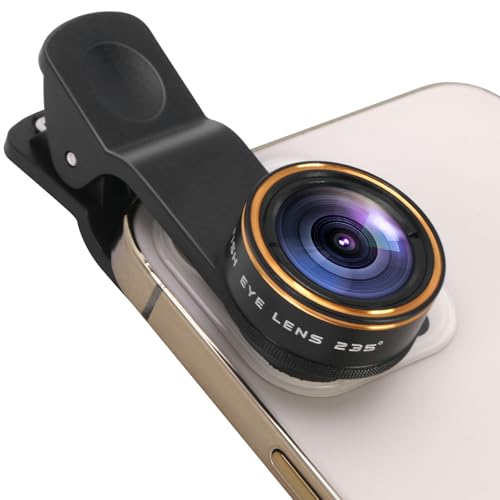
Beysfilter 235° Clip-On Fisheye Lens Kit for iPhone and Android

MIAO LAB 28X HD Telephoto Lens for iPhone, Samsung, and Android

Evil eye 36X Telephoto Lens for iPhone 17 Air with Tripod
What Each Pick Brings To The Table
Shooting through aquarium glass is a pain: blue cast, reflections, scratched acrylic. This Zerodis kit targets that exact problem with orange and yellow filter lenses designed to warm up the cool tones water absorbs and restore coral and fish color. Unlike the broad-purpose picks later in the list, this one cares only about tank photography, and that focus shows.
It clamps onto most smartphones via the standard phone-clip arrangement, so swapping between devices stays simple. Beginners with a single reef tank get a short learning curve: pick a filter, dial in your phone’s exposure, and shoot. Serious underwater shooters will want something sturdier, but for hobbyists the convenience outweighs the bulk.
Bright Spots
- Orange and yellow filters specifically tuned for aquarium color correction, removing the green-blue cast that ruins most tank phone shots.
- Clip-mount design fits a wide range of smartphones without a dedicated case.
- Translates directly to sharper coral and fish detail at close range, the kind of shots casual phone cameras struggle with.
- Compact kit, easy to stash near the tank for spontaneous captures.
Things To Consider
- Narrow use case, so it adds little value if your interest shifts beyond reef photography.
- Filter glass is small and benefits from a microfiber pouch to avoid scratches during storage.
Who Will Love This
Reef and freshwater tank owners who want richer color from casual phone shots without learning a full filter system.
Where Another Pick Suits Better
Photographers who split time between tanks and outdoor macro work get more flexibility from the iOgrapher 37mm Wide Angle and Macro Lens.
This NovelGoal mount takes a different route: instead of one fixed lens, it gives you a 52mm threaded ring that accepts standard photography filters, plus a macro element and a variable ND (neutral density, a filter that reduces light so you can use slower shutter speeds or wider apertures in bright conditions). For hobbyists who already own CPL (circular polarizer, a filter that cuts glare and boosts contrast) or ND glass, the compatibility is the draw. A CPL cuts glare off leaves and water; a variable ND lets you shoot wide apertures in bright sun without overexposing.
The aluminum alloy clip has a 45mm inner diameter and a 60mm maximum clamping depth, so it grips most modern phones securely, including larger Pro Max models. Setup takes longer than a snap-on lens, but the modular nature rewards patience.
The Good Stuff
- 52mm thread accepts standard photography filters you may already own, saving money over time.
- Aluminum alloy build feels more rigid than typical plastic phone clips.
- Variable density range (ND2-400) covers everything from light shade to harsh midday sun.
- CPL included, a real upgrade for outdoor close-ups where glare ruins contrast.
Worth Noting
- Threaded design means extra steps to swap filters compared to clip-on macro lenses.
- Star filters (4X, 6X, 8X) are creative but rarely useful for true macro work.
Feature Snapshot
Made For
Intermediate hobbyists who already understand CPL and ND filters and want their phone to slot into an existing kit.
Skip It When
Casual shooters after a quick point-and-shoot will find the Zerodis Fish Photography Lens simpler for tank work.
The iOgrapher setup pairs a wide-angle optic with a macro element, two lenses that handle the most common phone-photography needs in one purchase. The wide angle rescues tight indoor scenes and group shots, while the macro lens gets you close enough to read the texture of a leaf or the weave of fabric. Compare that to the Zerodis kit, which is single-purpose, and you see why this one wins on versatility.
A leather case bag ships in the box, a thoughtful touch that protects the optics from keys and grit in a backpack. For travelers and parents who want one kit instead of three, this is the most flexible option on the list.
Useful Highlights
- Dual-purpose design covers both macro close-ups and wide landscapes without swapping systems.
- Leather carry case protects lenses during travel, a small detail that extends product life.
- 37mm thread is a common standard, opening upgrade paths later.
- Works across iPhone and Android devices without brand-specific cases.
Honest Caveats
- Wide-angle and macro in one kit means each optic gets less optical refinement than a dedicated single-purpose lens.
- Mounting relies on a standard clip, so ultra-secure locking requires a separate case.
Right Fit For
Travelers, parents, and casual creators who want one lens kit to handle a beach trip and a backyard bug hunt.
Look Elsewhere When
Reef photographers will get sharper tank color from the Zerodis Fish Photography Lens, since that kit’s filters are color-tuned.
Fisheye lenses live at the opposite end of the macro spectrum. Instead of pulling you close to a subject, the 235° Beysfilter pushes the world into a curved, cartoon-like frame that grabs sky, ground, and foreground all at once. Multi-layer optical glass helps keep edges clean enough to post without heavy correction.
Soft rubber padding protects your phone from scratches during clip-on mounting. Vloggers chasing a stylized look will get more mileage here than dedicated macro shooters, but the kit still handles architecture, skateboarding clips, and tight indoor panoramas well.
Positive Takeaways
- 235° field of view captures an exaggerated curve that stands out in social feeds.
- Multi-layer optical glass reduces the chromatic fringing common in cheap fisheyes.
- Soft rubber clip protects the phone body during mounting.
- Compatible with iPhone 17, 16, 15 lines plus most Android devices.
Trade Offs
- Not a macro lens: serious close-up work demands one of the other picks on this list.
- Heavy barrel distortion requires cropping or correction for documentary-style framing.
Best Suited To
Vloggers and creative shooters building stylized short-form video or surreal travel stills.
A Better Fit Elsewhere
Bug and flower photographers chasing close-focus detail will get far more from the iOgrapher 37mm Wide Angle and Macro Lens setup.
Telephoto add-ons pull distant subjects closer, useful for birds, distant signage, and stadium events where you cannot physically move. The MIAO LAB 28X HD lens uses a redesigned light path that the maker claims delivers a wider view than typical 28x binoculars, and a field-of-view ring addresses the dark-edge issue cheap telephotos tend to show.
Unlike the close-focus macro options earlier, this one sits at a different point in the focal-length range. Handheld use at full 28x demands a steady grip or a tripod. For most users, daytime outdoor shooting produces the sharpest results.
The Helpful Details
- 28X reach brings far scenes close enough to fill the frame.
- Field-of-view ring reduces dark corners common in low-cost telephotos.
- Universal smartphone compatibility across iPhone, Samsung, and Android lines.
- Light path design balances magnification and brightness better than barrel-only telephotos.
Points To Keep In Mind
- Handheld shake grows at full 28x, so a tripod or phone mount helps in lower light.
- Not a macro tool: minimum focus distance is measured in meters, not centimeters.
Spec Overview
Who Should Grab It
Wildlife watchers, casual sports fans, and travelers who shoot distant scenes more than close-ups.
Reach For A Different Pick When
Concert-goers and anyone needing longer reach will benefit from the Evil eye 36X Telephoto Lens for iPhone 17 Air with Tripod.
The Evil eye 36X is the longest-reach pick in this roundup. You rotate the focus ring to fine-tune distance, so distant subjects that look blurry through a phone’s native zoom sharpen up properly. A tripod ships in the kit, and at 36X magnification, you need it: handheld jitter at full reach turns a stadium shot into a smear.
It also doubles as a basic monocular for hikers and birders, useful when you want to scout a scene before committing to a photo. Concert and travel photographers get the most obvious value here.
Useful Strengths
- 36X reach outpaces most smartphone telephoto add-ons in this price tier.
- Adjustable focus ring gives manual control over sharpness at different distances.
- Tripod included in the kit, removing a separate purchase.
- Works as a basic monocular for scouting before shooting.
Where It May Fall Short
- Bigger and heavier than the 28X MIAO LAB pick, so pocket carry is less realistic.
- Minimum focus distance keeps this firmly in the telephoto camp, not a macro tool.
Built With In Mind
Concert and travel photographers who want the longest reach available and a tripod in the box.
Swap It Out When
Hikers chasing lighter packs should consider the more portable MIAO LAB 28X HD Telephoto Lens instead.
Matching A Phone Lens To The Way You Shoot
Three attributes matter most when picking a smartphone lens for macro or close-focus work: focal behavior, mounting style, and optical quality. Focal behavior determines what the lens can actually see. A true macro lens focuses within a centimeter or two of the subject, while a fisheye or telephoto captures distant scenes with entirely different geometry.
Mounting matters more than most shoppers expect. Clip-on systems are fast but can shift if bumped. Threaded filter systems like the NovelGoal 52mm mount feel rigid but add setup steps. The right choice depends on how often you swap lenses and how patient you feel during a shoot.
Optical quality rounds out the trio. Multi-element designs and multi-coated glass reduce chromatic fringing, the colored halos around high-contrast edges that cheap lenses produce. For macro specifically, flat-field correction helps keep the corners sharp when your subject fills the frame.
Reader profiles matter too. Reef tank owners should weigh color-filter tuning first. Travelers benefit most from dual-purpose kits like the iOgrapher. Creators chasing stylized video lean toward the Beysfilter fisheye. Anyone shooting distant wildlife or stadium events belongs in the telephoto camp.
Macro Lens Types Explained
True macro lenses focus very close, often within one to three centimeters, and render small subjects at near life-size on the sensor. Wide-angle add-ons capture more of the scene but rarely focus as close. Telephoto add-ons magnify distant subjects but cannot focus on things inches away. Pick the type that matches your subject, not the highest magnification number on the box.
Clip Mounts vs Threaded Systems
Clip mounts snap onto the phone body and are the most portable option. Threaded systems use a ring to accept standard photography filters and feel more secure, but require filter changes for each effect. Beginners usually prefer clips; hobbyists with existing filter sets prefer threads.
Reading Optical Specs Without Getting Lost
Look for two numbers: the magnification ratio (how much larger the subject appears on your sensor) and the closest focusing distance (how near you can get to the subject). Both numbers come from the maker, not from marketing language. A lens that claims “macro” but only focuses 10 centimeters away is really a close-focus lens, not a true macro.
Key Considerations Across These Picks
Pitfalls Shoppers Hit
The most common mistake is buying a telephoto lens and expecting macro results. Telephotos magnify distant subjects, so their minimum focus distance sits in meters, not centimeters. If your subject lives within arm’s reach, a telephoto will not focus. The reverse mistake is buying a macro lens to shoot distant wildlife; close-focus optics cannot pull far subjects closer.
Another trap is trusting megapixel counts and “HD” labels over the actual optical design. A 28X lens with a flat-field ring outperforms a 40X lens with poor edge correction. Real optical specs matter more than headline numbers.
Where The Extra Money Goes
Higher-priced phone lenses tend to spend the budget on multi-element optical assemblies, aluminum housings, and threaded filter compatibility. Multi-element designs reduce fringing and improve corner sharpness, especially useful when your subject fills the frame. Aluminum bodies hold alignment better than plastic after months of clipping and unclipping.
Threaded compatibility costs more upfront but pays off over time. A 52mm mount accepts CPL, ND, and color filters you may already own from a dedicated camera kit, so the lens becomes a long-term platform rather than a one-off accessory. For shoppers who already own photography filters, that flexibility often justifies the upgrade.
Frequently Asked Questions
What Does “Macro” Actually Mean On A Phone Lens?
True macro means the lens focuses close enough to render a small subject at near life-size on the sensor, usually within one to three centimeters of the front element. Lenses labeled “macro” but focusing farther away produce close-ups, not true macro shots.
Can I Use These Lenses With A Phone Case?
Most clip-on mounts fit over slim cases up to a few millimeters thick. Bulky rugged cases often block the clip from seating properly, so you may need to remove the case or use a longer-reach clip.
Do Telephoto Phone Lenses Need A Tripod?
At magnifications above 10X, handheld shake becomes obvious in stills. A tripod or stable surface helps at any reach, but matters most at 20X and above, where even small movements blur the image.
How Do I Clean These Lenses Without Damaging Them?
A soft microfiber cloth works for fingerprints and dust. Avoid liquids, paper towels, and compressed air, which can scratch coatings or push debris into the threaded mount. Store each lens in its case or pouch when not in use.
Will A Clip-On Lens Hurt My Phone Camera?
Used carefully, clip-on lenses do not damage the camera module. The clip rests on the phone body, not the lens, and the optic floats a few millimeters away. Dropping the phone with a lens clipped on can scratch the phone’s built-in camera glass, so handle the combo with care.
The Takeaway
The best lens depends on what you point your phone at most. Reef keepers get the most from the Zerodis color-tuned kit. Hobbyists with existing filters will appreciate the NovelGoal 52mm threaded mount. Travelers who split time between landscapes and close-ups find the iOgrapher dual kit hard to beat. Creative shooters chasing stylized video belong with the Beysfilter fisheye. Wildlife and stadium events call for the MIAO LAB 28X or the Evil eye 36X telephoto. Pick the focal behavior your scenes demand, and the rest follows.


