

Shopping for cheap headphones without ending up with something that dies in a month is harder than it looks. The listings blur together, and a low price tag can hide bad sound, flimsy plastic, or a fit that hurts after an hour. You want gear that does the job without forcing a trade-off you’ll regret later.
This roundup focuses on affordable headphones across several use cases, from kids’ sets with volume limits to sport earbuds and protective travel cases. Each pick earns its place for a specific reason, and the notes below will help you match the right choice to your situation.
Your Options, Compared

MEE audio KidJamz KJ55 Wired Children’s Headphones (Pink)

Beats Solo4 with AppleCare+ for Headphones (Cloud Pink)

Hermitshell Hard Travel Case for Kids Headphones (Purple)

Beats Studio Pro with AppleCare+ for Headphones (Sandstone)

Kanto Living H2 Premium Headphone Stand (Black)

75H Sports Wireless Earbuds Bluetooth 5.4 (Black)
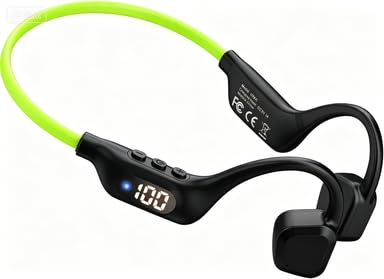
Arciea Bone Conduction Open-Ear Headphones (Black & Neon Green)
The Details Behind The Selections
Parents shopping for a first headset want one thing most of all: protection for young ears. The MEE audio KidJamz KJ55 answers that directly with a built-in volume limiter, a hardware cap that keeps playback under a safe threshold so a curious child cranking the dial can’t accidentally blast their hearing during a long car ride.
The on-ear design adjusts to grow with your child, and the colorful graphics on each cup give the set a personality that actually gets worn instead of tossed in a drawer. A 3.5mm plug covers tablets, laptops, and most in-flight entertainment systems, so it travels well beyond the living room.
A Favorable Mix
- Volume limiter caps output under safe levels for younger listeners.
- Adjustable headband stretches to fit a wide age range without pinching.
- Included microphone supports online classes and video calls.
- Universal 3.5mm connection works with tablets, laptops, and airline jacks.
- Playful graphics make the set appealing enough that kids actually want to wear them.
Things To Consider
- Wired-only design means cable tangles are part of daily life.
- On-ear fit can feel warm during extended listening sessions.
Who It Suits Best
Families with school-age children who need a safe, durable headset for remote learning, road trips, and tablet time.
A Better Fit Elsewhere
Active teens who want sweat resistance and wireless freedom should look at the 75H Sports Wireless Earbuds instead.
Where the MEE audio set is built for kids, the Beats Solo4 lands squarely in the grown-up daily-use category. The ultralight frame disappears on your head after a few songs, and the flex-grip headband plus angled cups keep things stable even when you’re speed-walking across a parking lot in the rain.
Spatial Audio with dynamic head tracking adds a theater-like layer to movies and music when paired with a compatible device. AppleCare+ coverage sweetens the deal for anyone worried about the everyday wear that comes with tossing cans in a bag.
Strong Points
- Custom acoustic drivers deliver fuller sound than typical on-ear sets.
- UltraPlush cushions stay comfortable across long listening sessions.
- Personalized Spatial Audio adds depth for music and movie playback.
Trade Offs
- On-ear seal lets in more ambient noise than over-ear alternatives.
- Battery life is solid but shorter than some newer flagship rivals.
Right Fit For
Commuters and casual listeners who want a stylish, lightweight pair for daily wear without the bulk of full-size studio cans.
Where Another Pick Suits Better
Home listeners prioritizing active noise cancellation and lossless audio should consider the Beats Studio Pro covered next.
Cases rarely make a roundup on their own, but the Hermitshell Hard Travel Case solves a real problem for families who own a few of the kids’ headsets mentioned in this guide. The EVA shell absorbs the bumps that backpacks dish out, and the interior dimensions target a specific list of popular on-ear models.
Unlike soft pouches, the rigid build keeps hinges and ear cups from getting crushed when the case gets shoved under a car seat. If you’ve ever pulled a cracked headset out of a school bag, this is the kind of protection that pays for itself fast.
Points In Its Favor
- Rigid EVA exterior resists drops and pressure from heavy luggage.
- Compact 6.2 by 4 by 2.2 inch interior fits specific kids’ headset models.
- Zippered closure keeps cables and accessories from spilling out.
Minor Gripes
- Only fits a curated list of headphones, not universal sizing.
Built With In Mind
Parents juggling multiple kids’ headsets who want one organized place to store and protect their collection between trips.
Reach For A Different Pick When
Anyone looking for an actual listening device rather than a storage accessory should return to the Beats Solo4 or the Beats Studio Pro for active use.
Stepping up from the Solo4, the Beats Studio Pro delivers the kind of audio depth and isolation that turns a casual listening session into a proper sit-down experience. The custom acoustic platform produces richer detail across bass, mids, and treble, which matters when you spend more time on music production or long critical listens.
USB-C lossless audio is a quiet but meaningful upgrade, giving you a wired digital path that preserves more of the original recording than a standard 3.5mm connection. The included AppleCare+ extends coverage beyond the manufacturer warranty for a couple of years, which is real value on a pair this expensive.
The Helpful Details
- Active noise cancellation blocks distractions across noisy environments.
- USB-C input supports true lossless playback from compatible devices.
- Custom acoustic platform balances low-end punch with clean mids.
- AppleCare+ adds accidental damage protection for two years.
Worth Noting
- Bulkier than the on-ear Solo4 for commuting.
- Higher price tier even before AppleCare+ is factored in.
Spec Snapshot
Who Should Grab It
Home listeners, remote workers, and audio hobbyists who want richer sound, ANC, and the option to plug into a lossless source.
Swap It Out When
Frequent flyers who value a lighter carry should return to the Beats Solo4 instead, since the over-ear Studio Pro adds noticeable weight.
A headphone stand isn’t a listening device, but it’s the kind of accessory you wish you’d bought sooner. The Kanto Living H2 keeps your Beats Studio Pro or Solo4 cradled properly between sessions instead of slumped on a desk, which extends the life of the headband and keeps your workspace tidy.
The slim footprint fits beside a monitor or speaker without crowding the desk, and the matte black finish blends into most setups without drawing attention. Stock availability on this one can be patchy, so checking the listing before committing is worth your time.
Notable Upsides
- Stable base prevents tipping with heavier over-ear headsets.
- Low-profile design suits minimal desk setups.
- Matte black finish matches most electronics without clashing.
Points To Keep In Mind
- Availability varies and the listing is frequently unavailable.
- Single-color option limits matching with brighter decor.
Best Suited To
Home office users and desk-based listeners who want their premium headphones stored properly between sessions.
Look Elsewhere When
Travelers needing storage protection for the road should consider the Hermitshell Hard Travel Case covered earlier instead.
The 75H earbuds target the gym-and-jog crowd that the Beats over-ear sets don’t really serve. Bluetooth 5.4 keeps the connection stable through crowded signal environments, which matters when your phone is one pocket over and you’re weaving between equipment at a busy gym.
Stereo drivers tuned for deep bass give running playlists the kick they need without distorting at higher volumes. The compact earbud form factor stays put during burpees and sprints far better than full-size headphones, and the included charging case extends total playtime well beyond a single workout.
Good Reasons To Consider
- Bluetooth 5.4 chip delivers more stable connections than older revisions.
- Tuned drivers emphasize bass response for active listening styles.
- Compact earbud form stays secure during running and lifting.
A Few Limitations
- No listed water or sweat resistance rating for heavy outdoor use.
- Earbud fit varies more by ear shape than over-ear alternatives.
Feature Card
Who Will Love This
Casual gym-goers, joggers, and commuters who want pocket-friendly wireless earbuds without paying flagship prices.
Not Your Match When
Outdoor runners who need to hear traffic should look at the bone conduction open-ear set covered next for safer situational awareness.
Bone conduction is the outlier in this roundup, and that’s exactly why it earns a spot. Instead of sealing over or inside your ear canal, this style rests against your cheekbone and leaves your ears open, so traffic, other runners, and approaching cyclists stay audible on busy roads.
Bluetooth 6.0 support and 14 hours of listed playtime make this practical for longer training days, while the IPX5 waterproof rating holds up against sweat and light rain. Compared with the in-ear 75H buds, this open form trades isolation for safety, which is a fair swap for outdoor athletes.
Everyday Advantages
- Open-ear design keeps ambient sound clear for safer outdoor use.
- IPX5 rating resists sweat and rain during intense sessions.
- 14-hour battery covers multi-day use without daily charging.
- Bone conduction tech avoids ear canal pressure during long wear.
Some Limits To Know
- Sound quality trails traditional drivers for critical music listening.
- Open design leaks audio at higher volumes in quiet rooms.
- Cheekbone fit takes adjustment for first-time users.
Technical Highlights
Perfect Match For
Runners, cyclists, and outdoor athletes who prioritize safety and situational awareness over noise isolation.
Where A Sibling Pick Shines
Listeners who care more about immersive sound at the gym should return to the 75H Sports Wireless Earbuds for a more traditional in-ear fit.
What Matters Most Before Choosing Cheap Headphones
Fit and Comfort Across Long Sessions
Headphones that feel fine for five minutes can turn painful after a commute or study session. On-ear sets press directly on the cartilage, while over-ear models distribute weight around the ear. For kids, look for adjustable bands that grow; for adults, weight under about 250 grams tends to disappear on the head.
Wired Versus Wireless and Battery Reality
Wired models never need a battery and avoid Bluetooth latency, which helps for video calls and gaming. Wireless freedom costs charging time and occasional pairing headaches. Battery ratings like the Arciea’s 14-hour claim help you plan multi-day trips, but real-world volume levels usually knock a few hours off.
Sound Quality Versus Use Case
Bass-heavy tuning works for workouts but muddies podcasts. Open-ear bone conduction keeps you safe outside but sacrifices richness for music. ANC, which means active noise cancellation, blocks distractions on planes but adds cost and bulk. Match the sound profile to where you actually listen.
Protection and Durability for the Long Haul
Kids’ sets and sport models take the most abuse. Look for reinforced hinges, sweat resistance, and consider a hard case like the Hermitshell for travel. Replacing cheap headphones twice a year costs more than buying one solid pair and a protective case upfront.
Pitfalls Shoppers Hit and When Spending Up Pays Off
Wrong Turns To Avoid
The most common mistake is choosing by price alone and ignoring fit. A $15 set that slides off during a run wastes the money. Another is ignoring connection type, since a wireless-only set fails on airplanes that still use 3.5mm jacks. Skipping compatibility checks for volume limits on kids’ headsets can also leave younger ears unprotected.
The Case For Spending Up
Higher-tier picks such as the Beats Studio Pro justify their price through lossless audio support, active noise cancellation, and longer hardware coverage. For daily commuters and home listeners, the upgrade means clearer calls, deeper music, and fewer replacements. For casual or kid-only use, the budget tier covered here does the job without the extra spend.
Frequently Asked Questions
Are cheap headphones safe for kids?
Sets with built-in volume limiters, like the MEE audio KidJamz KJ55, cap output around 85dB to protect young ears. Always confirm the limiter is engaged before handing them over, and disable it only in genuinely noisy environments.
Do budget wireless earbuds lag during video calls?
Modern Bluetooth 5.4 and 6.0 chips have cut latency to nearly unnoticeable levels for most video apps. The 75H Sports Wireless Earbuds use 5.4 specifically for stable connections, which helps keep lip sync close during calls.
Can bone conduction headphones really replace earbuds?
For outdoor running and cycling, bone conduction models like the Arciea set outperform earbuds because they leave your ears open. For immersive music or noisy gyms, traditional drivers still deliver fuller sound.
How important is a headphone stand?
A stand like the Kanto Living H2 extends the life of over-ear cushions and headbands by preventing pressure damage. It is most valuable for premium pairs you keep at home, less so for travel-only sets.
Do I need AppleCare+ with Beats headphones?
AppleCare+ covers hardware failures and battery issues beyond the standard warranty. For higher-tier picks like the Beats Studio Pro, the extra coverage can be worth it, especially for daily commuters prone to drops.
Closing Remarks
The right cheap headphones come down to where and how you listen. Kids need safe volume limits, commuters want lightweight comfort, athletes need sweat resistance and awareness, and home users get the most from richer sound and ANC. Match the pick to your main use case, and any of the seven above should hold up well beyond its price tag.


