

A compact Android tablet earns its keep by fitting into the cracks of your day. You slip it into a tote for a coffee shop session, prop it on the kitchen counter for a recipe video, or hand it to your kid in the back seat without worrying about a five-hundred-dollar drop. The six picks below each take a different angle on that idea, from keyboard-toting productivity to a widevine-friendly streaming slate. You’ll find honest trade-offs next to the wins, because the right choice depends on what you actually do with the screen.
The Essentials At A Glance

YLEEBG 12 inch Tablet with Keyboard Android 16 Black

FIRYMID Android 16 10-inch Tablet with Keyboard

Samsung Galaxy Tab S7 11-inch Android Tablet 128GB Wi-Fi Mystic Black

COLORROOM 2026 Android 16 Tablet 11-inch Blue
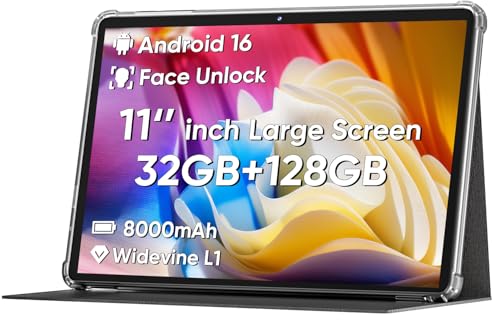
COLORROOM 2026 Android 16 Tablet 11-inch Black
AOC 10 Inch Android 16 Tablet 120Hz Metal Gray
A Closer Look At Each Pick
The YLEEBG 12-inch is the largest screen in this roundup, which changes how a compact tablet fits into your workflow. Where the other picks here hover near 10 or 11 inches, this slate gives you room for split-screen multitasking, real spreadsheet columns, and a keyboard that doesn’t feel like a compromise. The included black case and Android 16 software keep travel day simple, and Gemini AI integration means voice and text help sit one tap away when you’re drafting email on a hotel desk.
You can lean on the larger panel for document review, then fold the case into a stand for a movie night. People who treat their tablet like a lightweight laptop replacement get the most out of this configuration. Compared with the smaller FIRYMID that follows, you trade a few ounces of portability for screen real estate that actually fits work.
Positive Points
- The 12-inch panel gives split-screen apps and spreadsheets breathing room, which a 10-inch slate struggles to match.
- Android 16 with Gemini AI built in turns the keyboard into a productivity tool, not just a typing surface.
- The bundled black case doubles as a stand, so you skip the accessory hunt.
- Large-screen tablets tend to feel closer to a laptop replacement, which helps if you write or code on the go.
Trade Offs
- Twelve inches stretches the definition of compact, so this lands in a backpack more than a jacket pocket.
- Gemini AI features vary by region and language, so some helpers may feel limited depending on where you live.
- The integrated case may not match your preferred typing angle, since it folds into preset positions.
Quick Facts
Whose Shelf It Belongs On
Frequent travelers, mobile writers, and anyone who treats a tablet as a lightweight laptop stand-in.
Consider Something Else When
Grab the AOC tablet if you want a truly pocketable slate, and skip the YLEEBG’s added ounces.
The FIRYMID 10-inch tablet lands in the sweet spot for shoppers who want a keyboard bundle without committing to premium pricing. Android 16 ships on this model, paired with an octa-core CPU that handles streaming, document editing, and the usual mix of browser tabs without feeling strained. The included keyboard turns it into a small productivity kit on day one, which removes the awkward gap where you own the tablet but not the typing accessory.
For most students, casual writers, and anyone setting up a homework station, the value math works out. You lose the bigger screen of the YLEEBG and the S Pen features of the Galaxy Tab S7, but you keep the keyboard and a modern OS. Owners commonly report that the bundled keyboard case does the job for short writing sessions rather than marathon document work.
Everyday Perks
- The keyboard ships in the box, so you skip the accessory hunt.
- Android 16 keeps the tablet current with newer app support.
- The octa-core CPU handles classroom apps and streaming with minimal fuss.
- Ten inches stays portable enough for a backpack or large purse.
Worth Bearing In Mind
- The keyboard doubles as a cover, which means heavier typing may flex the hinge over time.
- You’ll want a microfiber cloth handy, since the included case tends to pick up fingerprints.
- Compact 10-inch panels squeeze spreadsheets, so heavy number work feels cramped.
Who It Suits Best
Students handling homework, casual writers, and first-time tablet owners building a starter productivity kit.
A Better Fit Elsewhere
The Samsung Galaxy Tab S7 makes more sense for creatives who need the bundled S Pen, and skip this FIRYMID’s accessory.
The Samsung Galaxy Tab S7 arrives in this roundup as the only mainstream-brand flagship on the list, and the build quality tells you why. The 11-inch screen lands between the FIRYMID’s 10 inches and the YLEEBG’s 12 inches, giving you a comfortable middle ground for sketching, note-taking, and media. Samsung pairs the panel with 128GB of internal storage, Wi-Fi, and Bluetooth for your headphones and keyboard.
The S Pen support is the standout reason to consider this tablet, since handwriting and drawing feel closer to pen-on-paper than on most budget slates. USB-C handles charging and data, and fast charging gets the battery back up between meetings. Compared with the COLORROOM models ahead, you trade a tighter price tag for Samsung’s ecosystem polish, longer software runway, and an accessory library that includes keyboards and cases from major brands.
What Works In Its Favor
- The S Pen turns the Tab S7 into a credible sketchpad and notebook, which the other picks lack.
- 128GB of storage swallows photo libraries and offline media without leaning on the cloud.
- USB-C charging keeps the cable drawer simple, especially if you already carry one for a phone or laptop.
- Fast charging tops the battery quickly between meetings and travel days.
- Samsung’s accessory ecosystem means finding a keyboard case later is straightforward.
Practical Considerations
- The S Pen is convenient but small, so extended grip sessions may fatigue your hand.
- 11 inches stays portable, though it may feel larger than true compact tablets on a long commute.
- Wi-Fi only on this variant means no cellular backup for travel days, and you may miss it.
Feature Card
Best Suited To
Note-takers, designers, and anyone who wants the most refined build and stylus support in this list.
Look Elsewhere When
The YLEEBG 12-inch tablet suits shoppers who want a larger productivity canvas, and skip the Tab S7’s smaller panel.
The COLORROOM 11-inch tablet arrives in a bright blue finish that stands out from the sea of black and gray slates. Android 16 and an octa-core CPU give the platform a familiar feel, while face unlock adds a quick path past the lock screen on a kitchen counter or a couch armrest. The 18W fast charging means a short top-up covers an evening of reading or video calls.
The anti-blue-light panel is the quiet win for evening reading sessions and homework nights. Compared with the Galaxy Tab S7, you skip the S Pen and Samsung’s accessory ecosystem, but you also skip the premium price. People who use their tablet mostly for reading, streaming, and casual browsing tend to find this configuration covers their day without friction.
The Good Stuff
- Face unlock gets you past the lock screen fast when your hands are full.
- The anti-blue-light panel eases evening reading sessions and homework nights.
- 18W fast charging shortens the downtime between school days and travel stops.
- The blue finish gives the tablet a distinctive look in a market of gray slabs.
Points To Keep In Mind
- Face unlock works best at a steady angle, and may stumble in dim rooms.
- The colored finish may not match every protective sleeve on the market.
- Compact tablets in this tier tend to run warm during long streaming sessions.
Made For
Evening readers, casual streamers, and shoppers who want a distinctive finish instead of a gray slab.
Skip It When
The Samsung Galaxy Tab S7 fits creatives who need the S Pen, and skip the COLORROOM’s missing stylus support.
The COLORROOM 11-inch in black is the same platform as the blue version above, just dressed in a neutral finish that disappears in shared spaces. That neutrality matters in a household tablet that moves between a parent’s email, a child’s homework, and a Saturday morning recipe video. Android 16, octa-core processing, and 18W fast charging stay identical, so the experience matches what you’d expect from the blue sibling.
You may find the black finish more forgiving around sticky fingers and kitchen grease than lighter shells. The face unlock and anti-blue-light display return, giving the tablet an evening-friendly reading mode. Where the Samsung Tab S7 leans into premium materials and stylus work, this one trades that polish for a friendlier price and a finish that fits every room in the house.
Features That Help
- The black finish hides smudges between cleanings better than lighter shells.
- Shared-household use benefits from a neutral look that fits any room.
- The anti-blue-light panel eases homework and reading sessions before bed.
- Face unlock speeds up grab-and-go use for kids and parents alike.
Honest Caveats
- Kids’ apps and parental controls live within Android settings, so setup takes a few minutes.
- The black finish may collect lint around the bezels, and a quick wipe-down keeps it tidy.
- Family use across multiple profiles means signing in and out more often than a personal tablet.
Right Fit For
Shared-household use where the tablet moves between parents, kids, and weekend recipes.
Reach For A Different Pick When
The FIRYMID suits shoppers who want a keyboard in the box, and skip this COLORROOM’s missing accessory.
The AOC 10-inch tablet closes the roundup with the smoothest screen on the list, thanks to a 120Hz IPS panel that gives scrolling and games a noticeably fluid feel. The 8-core processor, Android 16, and Widevine L1 streaming support make this tablet a serious media machine, while a metal body adds a premium feel you don’t always get in this size class. Face ID rounds out the modern feature set for quick unlock on a desk or a couch arm.
Compact enough for one-handed reading in bed, the AOC also stretches into split-screen productivity when you need it. Compared with the COLORROOM models, you trade the colored finishes for a smoother refresh rate and a metal shell that feels cooler in the hand. People who watch a lot of HD video or play casual games tend to appreciate the 120Hz difference, which makes interface animations feel snappier than 60Hz alternatives.
Real-World Strengths
- The 120Hz IPS display makes scrolling, video, and casual gaming visibly smoother.
- Widevine L1 unlocks HD streaming from major services, which not every tablet supports.
- The metal body adds a cooler, more premium feel than typical plastic slates.
- Face ID speeds past the lock screen on a desk or couch arm.
A Few Limitations
- 120Hz draws more power, so you may find battery draining faster than on 60Hz tablets.
- Metal bodies can feel slick without a case, and a sleeve helps during one-handed reading.
- Ten inches stays portable, though the metal build adds a touch more weight than plastic alternatives.
Key Attributes
Perfect Match For
HD streaming fans, casual mobile gamers, and shoppers who want the smoothest screen in this roundup.
Where A Sibling Pick Shines
The COLORROOM 11-inch Blue suits shoppers who want a bigger screen and an eye-care panel, and skip the AOC’s smaller display.
What Matters Most Before Choosing Compact Android Tablets
Screen size and weight shape daily carry more than any spec sheet. A 10-inch panel disappears into a tote, while a 12-inch slate announces itself in any bag. For commutes and couch sessions, smaller panels win; for spreadsheet work and split-screen multitasking, the bigger ones earn their space. Storage decides how many downloaded shows and offline photos you can carry, so anyone who travels without reliable Wi-Fi should look closer at internal capacity. Expandable storage helps, but app installs still need room on the internal drive.
Software currency affects how long the tablet stays useful. Android 16 brings tighter security and longer support runway than older builds, so picking a model with the newer OS pays off in 2026 and beyond. Stylus support matters most for note-takers and sketchers, while bundled keyboards suit writers and students who want laptop-style input without buying extra accessories. Display features like 120Hz refresh rates and anti-blue-light modes change how the screen feels during long sessions, which matters if you read or watch for hours. Battery life and charging speed round out the daily picture, especially when the tablet pulls double duty for work and entertainment.
Key Considerations Across These Picks
Wrong Turns To Avoid
A common slip-up is chasing screen size without checking weight, since a 12-inch slate can weigh more than a small laptop and still feel cramped for real productivity. Another trap is buying a tablet without checking Widevine L1 support, then discovering your favorite streaming service downgrades to standard definition. Storage math also catches shoppers off guard, since apps eat more space than the headline number suggests, and a tablet without expandable storage fills up faster than expected.
Where The Extra Money Goes
Spending up usually buys three things: build quality, a better screen, and longer software support. A metal body and a 120Hz panel make daily use feel smoother, which matters if you stare at the screen for hours. Premium tablets also tend to ship with newer OS builds and more frequent updates, so the higher upfront cost stretches across a more reliable ownership window. For most people reading, streaming, and light productivity, a mid-range tier covers the day; the upgrade really earns its place when you need stylus precision or a true laptop-replacement feel.
Frequently Asked Questions
What screen size counts as compact for an Android tablet? Compact Android tablets usually fall between 8 and 11 inches, since anything bigger pushes into laptop-replacement territory.
Is Android 16 a big upgrade over older versions? Android 16 brings tighter privacy controls, longer security patches, and a smoother split-screen experience, which makes it worth prioritizing in 2026.
Do compact tablets work well for note-taking? Tablets with stylus support like the Galaxy Tab S7 handle handwriting well, while non-stylus models work for typed notes through a paired keyboard.
How much storage do most people need? For casual reading and streaming, 64GB covers the basics, but 128GB or expandable storage helps anyone who downloads offline media or takes lots of photos.
Can a compact tablet replace a laptop for students? A tablet with a keyboard and split-screen support handles essays, research, and video calls, though heavy spreadsheet or design work still favors a traditional laptop.
Closing Remarks
The right compact Android tablet depends on what you actually carry it for, since a one-handed reader and a mobile writer want very different things from the same shape. Start with the screen size and ecosystem that match your week, then let the keyboard, stylus, and storage choices fall into place around that anchor. Any of the six picks here will serve you well, so the honest read is to pick the one that fits your bag and your habits, and skip the rest.


