

Electrostatic headphones carry a reputation: detail-rich, fast, and exacting. The technology uses an ultra-thin diaphragm suspended between charged stators to move sound with minimal distortion, which is why dedicated listeners and studio pros chase them. Not every set in this roundup is a true electrostatic driver, though most are tuned for the same kind of analytical, revealing sound. The list mixes over-ear monitors and in-ear options that suit different routines, from home mastering sessions to gaming at your desk.
A Fast Comparison Of The Options

Audio-Technica ATH-M20x Professional Studio Monitor Headphones

Audio-Technica ATH-M40x Professional Studio Monitor Headphone

Steven Slate Audio VSX Modeling Headphones
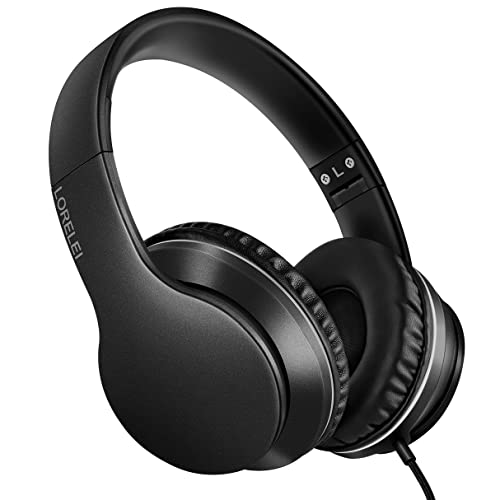
LORELEI X6 Over-Ear Wired Stereo Bass Headphones

CCZ Yinyoo Melody In-Ear Monitors

KZ ZS12 PRO X In-Ear Monitors
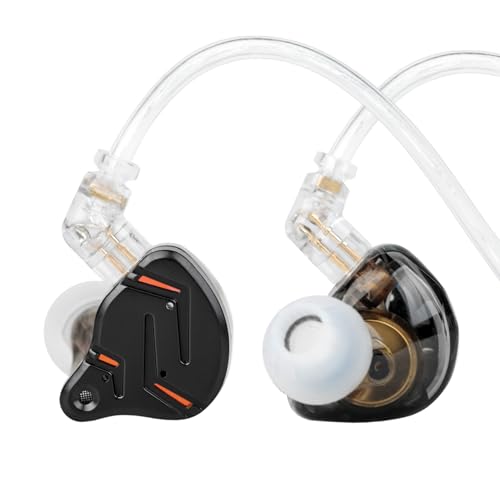
KZ ZST PRO X In-Ear Monitor
What Each Pick Brings To The Table
The ATH-M20x lands as Audio-Technica’s entry point into its M-series monitor lineup, aimed at newcomers building a first home setup. Its circumaural (fully over-ear) cups aim to seal around your ears and cut bleed from nearby computers or roommates.
Inside sit 40 mm drivers paired with copper-clad aluminum wire voice coils, tuned to push a bit of warmth into the low end. That extra low-frequency bias helps when you’re checking whether a mix has weight, but it’s not as ruler-flat as the M40x we’ll cover next. Most folks find the single-sided cable exit convenient for desk use, since the cord stays out of the way when you reach for a knob.
Strengths Worth Knowing
- Tuned bass lift helps beginners hear low-end detail without studio-grade flatness.
- Circumaural design isolates sound better than on-ear sets in noisy rooms.
- Single-side cable routing keeps the cord clear of your mouse hand during long sessions.
- Lightweight build reduces fatigue during multi-hour editing or study stretches.
Things To Consider
- The non-detachable cable limits repair options if it frays at the strain relief.
- Earpads tend to wear with daily use and may need replacement after a year or two.
- Bass emphasis means mixes translated through these can sound thinner on flatter systems.
Who It Suits Best
First-time studio shoppers and podcasters who want a dependable, no-frills monitor without a steep learning curve.
A Different Pick When
Step up to the Audio-Technica ATH-M40x if you need a flatter reference tuning for actual mixing work.
Where the M20x adds a bit of flavor, the ATH-M40x aims for honesty. This M-series model is tuned flat across an extended frequency range, which is the kind of response engineers lean on when they need to trust what they’re hearing.
The 90-degree swiveling earcups fold flat for one-ear monitoring during tracking sessions, a small detail that matters when you want to hear the room and your playback at once. Pro-grade earpads and headband materials hold up to daily studio abuse better than most consumer builds. Detachable cables ship in the box, so a worn cord swaps out instead of retiring the whole set.
Everyday Wins
- Flat tuning gives an honest read on your mix, not a flattering one.
- Swiveling cups support single-ear monitoring during live recording takes.
- Detachable cable extends usable life and simplifies storage in a packed bag.
- Pro-grade padding handles long sessions without hot spots on the crown.
- Closed-back isolation keeps headphone bleed out of your microphone.
Trade Offs
- Flat response can sound dull on first listen compared to consumer-tuned sets.
- Heavier clamp force than the M20x, which may bother wearers with glasses.
Right Fit For
Home studio producers and tracking engineers who need reliable reference sound without crossing into four-figure gear.
Swap It Out When
Grab the Steven Slate Audio VSX Platinum Edition if your main concern is mix translation across simulated playback environments.
The VSX Platinum Edition steps away from pure driver tuning and into software modeling, simulating famous mastering rooms inside a closed-back headphone. The concept matters: a mix that sounds balanced in your bedroom often falls apart on other systems, and VSX aims to train your ears by letting you audition that mix in emulated studio spaces.
Over-ear circumaural cups seal around your ears for the kind of isolation a treatment-free room can’t offer. Where the M40x relies on flat hardware response, VSX leans on its bundled software to color the playback, so it works best when you actually engage the room profiles rather than using it as a plain monitor.
What It Does Well
- Modeled room profiles help train ears to predict how a mix translates elsewhere.
- Closed circumaural seal cuts room noise for critical listening in untreated spaces.
- Platinum library expands mastering scenarios well beyond a stock set of profiles.
- Software-driven updates add new rooms over time without buying new hardware.
Points To Keep In Mind
- Modeling lives in the companion software, so you need a computer or supported interface to use it fully.
- Software licensing and account requirements add a setup step that pure hardware headphones skip.
- Hardware response alone won’t match a flat-tuned monitor like the M40x.
Made For
Mix and mastering engineers in untreated rooms who want to check their work against emulated reference environments.
Look Elsewhere When
The Audio-Technica ATH-M40x is the better match if you just want accurate hardware response without software ties.
The LORELEI X6 trades studio precision for portability. Lightweight folding cups collapse flat into a backpack, and the 1.45 m no-tangle cable resists the kind of knots that ruin a commute. Unlike the Audio-Technica M-series on this list, this is a consumer-friendly set with a built-in microphone.
High-definition 40 mm drivers deliver a bass-forward signature aimed at pop playlists rather than critical listening. If your work involves mobile gaming on the go or a tablet propped on a tray table, the integrated mic is a real plus that pure monitor sets in this roundup lack.
The Helpful Details
- Foldable cups shrink to a backpack-friendly shape for travel days.
- Built-in microphone handles calls and quick voice chat without an extra accessory.
- No-tangle cable cuts setup time after a bag has been jostled.
- Lightweight frame keeps ear fatigue low on long commutes.
Honest Caveats
- Bass-heavy tuning colors mids, so it isn’t suited to mix decisions.
- Plastic hinges can wear if you fold them daily without care.
Best Suited To
Commuters and casual listeners who want a portable, mic-equipped set for phones and tablets.
Reach For A Different Pick When
Choose the KZ ZST PRO X in-ear monitor if you want a more detailed sound in a smaller travel form.
The CCZ Melody is a hybrid in-ear monitor (a small driver that sits inside your ear canal rather than over it), pairing one dynamic driver for bass with one balanced armature (a tiny, precise driver that excels at mids and highs) for the upper range. That two-way split is a common recipe in stage IEMs because it keeps vocals crisp while the low end stays punchy enough for a drummer to track.
The shells use a PC (polycarbonate) cavity with a UV varnish finish, and ear fins help lock them in place during movement. A 4N OFC (oxygen-free copper) cable aims to keep the signal clean. For musicians and singers working live, the lack of a built-in microphone is a feature, not a flaw: stage rigs don’t need one, and skipping it keeps the cable simple.
Positive Takeaways
- Hybrid 1DD + 1BA layout separates bass and treble duties for a clearer signal.
- Ear fins hold the shells steady during energetic stage movement.
- OFC cable minimizes interference over long cable runs.
- Short sound guide reduces loss between driver and ear canal.
Less Ideal Details
- No microphone means no quick call pickup without removing the set.
- Fit depends heavily on tip choice, so experimentation adds setup time.
- Cable is non-detachable, limiting long-term serviceability.
Who Should Grab It
Singers and live performers who need a stage-ready in-ear monitor without microphone bulk.
Not Your Match When
The KZ ZS12 PRO X is a smarter choice if you want more drivers and a detachable cable design.
The ZS12 PRO X crams five balanced armatures plus one dynamic driver into each shell, a notable jump over the simpler CCZ Melody earlier in this list. That extra driver count lets the set split frequencies across specialized units: dedicated ultra-high drivers handle air and shimmer, while a dedicated mid-high unit keeps vocals from getting buried.
Gamers benefit because layered treble makes positional cues sharper, helping with footstep recognition in shooters. Musicians gain the same detail on overdub sessions, where hearing the room mic leakage clearly matters. For most home listeners, the set leans analytical, which is the point, but it won’t flatter a poorly recorded track.
Where It Delivers
- Five balanced armatures separate treble layers more cleanly than simpler hybrids.
- Positional imaging helps FPS players pick up directional cues under a headset.
- Layered detail catches small mixing errors that flatter sets mask.
Practical Considerations
- Analytical tuning reveals poor recordings rather than smoothing them over.
- Six drivers per side add bulk that may not fit smaller ear canals comfortably.
- Without amplification, top-end detail can sound thin from phone outputs.
Whose Shelf It Belongs On
Audiophile gamers and musicians who want layered detail in a wired in-ear format.
A Better Fit Elsewhere
Pick the KZ ZST PRO X instead if you want a simpler two-way hybrid in a smaller, more comfortable shell.
The ZST PRO X simplifies the formula back to one balanced armature and one dynamic driver per side, the same hybrid idea as the CCZ Melody earlier but with a tuning aimed squarely at competitive gaming. Fast transient response (how quickly the driver stops and starts on a hit) helps you place footsteps in shooters, while deep bass keeps explosions and engine rumbles physical.
A 3.5 mm plug connects to phones, consoles, controllers, and laptops without fuss. There’s no microphone here, which is fine for solo play but worth knowing before you buy if you squad up often.
Everyday Perks
- Tight imaging helps locate opponents in fast-paced FPS matches.
- Compact two-driver shell fits smaller ears more comfortably than six-driver sets.
- Universal 3.5 mm plug works with phones, handhelds, and laptops out of the box.
Some Limits To Know
- No microphone means no in-line chat for multiplayer sessions.
- Two-driver layout can’t separate treble layers as cleanly as the ZS12 PRO X.
- Gaming-focused tuning can sound lean on acoustic or vocal tracks.
Perfect Match For
Competitive FPS players who want speed and imaging in a small, affordable in-ear form.
Consider Something Else When
The KZ ZS12 PRO X fits better if you want extra treble detail for music production alongside gaming.
How To Choose The Right Electrostatic Headphones For Your Setup
Match The Driver Type To Your Routine
True electrostatic drivers need dedicated energizers to charge the diaphragm, which raises cost and complexity. Most sets in this roundup use dynamic or balanced-armature drivers instead, tuned to mimic the speed and detail electrostatic listeners love. For desk-bound mixing, closed-back dynamic sets like the Audio-Technica M40x deliver isolation and honest tuning. For travel or gaming, hybrid in-ears like the KZ ZS12 PRO X give you detail without bulk. Pick the form factor your routine actually demands, not the spec sheet that looks strongest on paper.
Decide Between Open And Closed Backs
Open-back designs let air move through the cups, giving a wider soundstage (a sense of how much space the music occupies around you) but leaking sound to anyone nearby. Closed-back sets like every option in this list keep sound contained, which matters for tracking sessions, gaming in shared rooms, and commuting. Audiophiles who mix alone often lean open; recording artists and gamers usually need closed.
Consider Comfort Over Spec Sheets
Driver count and material names mean less if the set hurts after an hour. Clamp force (how firmly the headband squeezes your temples), ear cup depth, and pad material decide whether a set survives a long session. The Audio-Technica M20x is light enough for glasses wearers, while the KZ ZS12 PRO X needs the right tip size to seal properly. Spend time on fit, since comfort changes how often you actually reach for the headphones.
Think About Cable And Connectivity
Detachable cables extend the life of a set by letting you swap a frayed cord, but they add cost and a connection point that can fail. Fixed cables like the LORELEI X6’s no-tangle design simplify travel. Wireless convenience isn’t part of this list, so plan around the wired assumption: a 3.5 mm jack on the KZ ZST PRO X travels further than a full-size studio plug on the M40x.
Quick Notes Before You Commit
Mistakes Worth Dodging
Buying a flat-tuned studio monitor and expecting it to sound exciting on pop music is the most common slip. The Audio-Technica ATH-M40x is honest, not flattering. Likewise, chasing maximum driver count in an in-ear without checking fit leaves you with a six-driver shell that won’t seal. Tip selection matters as much as the spec sheet, especially for hybrid IEMs like the CCZ Melody and KZ ZS12 PRO X.
Where The Extra Money Goes
Higher-tier models in this category add things you can hear and things you can’t. The Steven Slate Audio VSX Platinum Edition spends on software modeling, layered room simulations, and updated tuning profiles over the life of the product. The Audio-Technica M40x spends on pro-grade pads, detachable cables, and tighter driver matching. You pay for service life, repairability, and consistency as much as raw sound.
Frequently Asked Questions
Do I need an amplifier for electrostatic headphones?
True electrostatic sets require a dedicated energizer to bias the diaphragm. The picks in this roundup use dynamic or balanced-armature drivers, which run from any phone or laptop headphone jack, though a basic amp helps hybrid in-ears like the KZ ZS12 PRO X open up.
Are electrostatic headphones good for gaming?
Gaming benefits from speed and imaging, which is why the KZ ZST PRO X and KZ ZS12 PRO X both target positional detail. Studio-flavored sets like the Audio-Technica M40x work for single-player sessions where soundstage matters more than chat.
What’s the difference between balanced armature and dynamic drivers?
A dynamic driver moves air with a coil and diaphragm, the same idea as a small speaker. A balanced armature uses a tiny armature pivoting inside a coil, which excels at mids and highs with low distortion. Hybrid IEMs pair both to balance bass weight and treble clarity.
Can I use electrostatic-style headphones for mixing?
Yes, as long as the tuning is honest. The Audio-Technica ATH-M40x is a flat reference monitor suitable for tracking and rough mixing. The VSX Platinum Edition adds simulated rooms for translation checks, useful when your physical room isn’t treated.
How long do these headphones typically last?
Closed-back sets with replaceable pads and detachable cables often outlast fixed-cable designs by years. Owners commonly report pad wear after one to two years of daily use, while the headband and drivers tend to last much longer with reasonable care.
The Takeaway
Start with the routine, not the spec sheet: home studio work points to the Audio-Technica ATH-M40x, mobile listening to the LORELEI X6, and gaming to the KZ ZST PRO X. Pick the set that matches where you’ll actually use it, and the rest of the decision tends to fall into place.


