

Long flights have a way of exposing every weakness in your gear. Engine drone, chatty seatmates, crying babies three rows back, the in-flight movie’s compressed audio, all of it stacks up while you’re stuck at 35,000 feet. The right pair of airplane headphones turns that cabin noise into background hum and gives your music, podcast, or silence the room it deserves. Whether you fly a few times a year for vacation or log dozens of legs for work, this lineup covers the styles worth packing.
The Lineup, Simplified
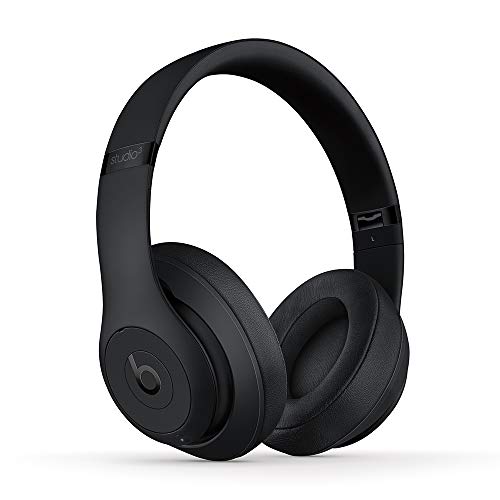
Beats Studio3 Wireless Noise Cancelling Headphones (Matte Black)
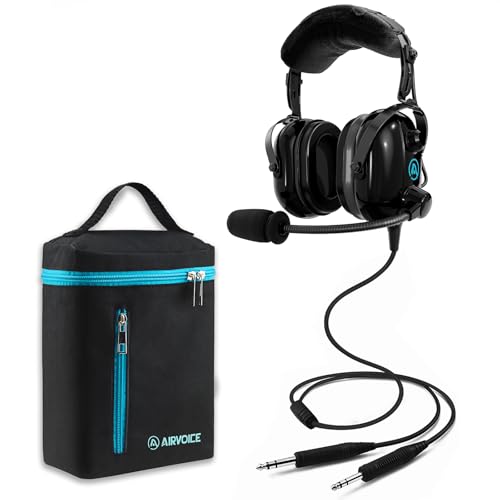
AIRVOICE Pilot Headset (PNR Aviation)
Wentronic Y03 Bluetooth ANC Over-Ear Headphones (Purple)

Bose QuietComfort 35 II (Triple Midnight)

Bose QuietComfort 35 II (Black)

BLXSounds USB-C Wired Earbuds for iPhone

Back Bay Audio True Wireless ANC Earbuds

Sony WH-1000XM4 ANC Headphones Bundle (Black)

Lullaband Bluetooth Headband Sleep Headphones
A Breakdown Of The Leading Choices
The Beats Studio3 leans hard into the Apple ecosystem, and that focus is genuinely useful when your phone, watch, and tablet all live in the same family. The W1 chip (Apple’s older but still capable wireless processor) handles pairing across devices, so switching from iPhone to MacBook for an in-flight movie happens without digging through menus.
Onboard adaptive noise cancellation adjusts in real time, which matters when the cabin pressure shifts during descent. Where the Beats Studio3 truly earns its keep is the 22-hour battery claim; a transatlantic flight plus a layover fits in a single charge, and a quick top-up over a meal buys you most of a second leg.
The Value In It
- W1 chip keeps Apple-device handoffs painless, which matters when juggling phone and laptop mid-flight
- Adaptive noise cancelling re-tunes itself as cabin pressure shifts during climb and descent
- 22-hour battery covers a long-haul flight plus a working day at the gate
- Over-ear cushions block a useful amount of engine drone even before the ANC kicks in
Things To Consider
- Android users get pairing and codec support, but the seamless handoff story is weaker outside Apple
- The matte finish tends to pick up oils from hands during long listening sessions
- Case is bulkier than the Bose QuietComfort 35 II we cover next, so it eats more carry-on space
Key Specs
Who It Suits Best
Frequent Apple-ecosystem flyers who switch between iPhone and MacBook and want one headset that follows them.
Consider Something Else When
You fly heavy on Android or Windows gear, where the Bose QuietComfort 35 II we cover below plays more nicely with mixed setups.
Most of this list targets passengers, but the AIRVOICE Pilot Headset lives in a different world. It’s a genuine aviation headset, built for the cockpit, and that changes what “airplane headphones” means for flight students and instructors. PNR (passive noise reduction) ear cups dampen engine and prop noise the old-fashioned way, by sealing physically, without active electronics that can fail mid-flight.
The electret microphone on a flexible boom rotates well past 300 degrees so it can sit on either side of the head, and the included volume knob lets you match intercom levels to your school’s panel radio. For training flights, that simplicity is a feature, not a limitation.
Where It Excels
- Passive noise reduction reaches about 25 dB, strong enough for trainer cockpits and small GA aircraft
- Flexible mic boom rotates for either-side mounting, fitting student and instructor equally
- No batteries or charging routines to worry about before a lesson
- Built for the headset jacks already wired into most training aircraft
Worth Noting
- Passive isolation only, so it won’t help much for airline passenger use
- The dual GA plugs need an airline headphone jack adapter to work on commercial planes
- Cushions wear with sweat over a long training season and benefit from periodic replacement
Made For
Student pilots logging early flight hours who need a budget-friendly, dependable aviation headset.
Where Another Pick Suits Better
If you’re after quiet comfort on a commercial flight, the Beats Studio3 in pick 1 fits the cabin-passenger brief far better.
The Wentronic Y03 is the marathon runner of this list, with a claimed 48 hours of playback that sounds almost defiant until you actually forget to charge it and find it still going. For backpackers bouncing between cheap airports where outlets are scarce, that kind of stamina changes how you pack.
Six EQ presets cover the common listening moods: Pop for bright vocals, Rock for heavier bass, and so on. Active noise cancellation handles cabin drone competently, and the soft ear cushions keep pressure distributed enough that a 14-hour economy seat doesn’t feel like a clamp. The purple colorway is also a small thing, but it makes the Y03 easy to spot in a pile of black travel gear.
A Few Strong Suits
- 48-hour battery life lets you skip chargers across multi-day trips with multiple flights
- Six EQ modes let you tune podcasts and music without an app
- Soft ear cushions distribute pressure for long sessions in economy seats
- The purple finish is easy to spot in a shared hostel or overhead bin
Trade Offs
- ANC is competent rather than class-leading, so the loudest cabin sections still leak through
- The plastic headband hinge is a known wear point over years of heavy travel
- Sound leans consumer-friendly; critical listeners may want a flatter profile
Quick Facts
Right Fit For
Multi-leg backpackers and budget travelers who want one charge to outlast their itinerary.
Not Your Match When
You want the deepest possible cabin quieting, where the Sony WH-1000XM4 covered in pick 8 holds the line.
The QuietComfort 35 II earned its reputation long before most of the other picks on this list existed, and this Triple Midnight colorway dresses it up without changing the formula. Bose’s active noise cancellation has been the cabin benchmark for years, and the QC35 II still quietens engine drone in a way that surprises people upgrading from older headphones.
The headset folds flat, which sounds trivial until you try to cram a bag into a regional jet’s overhead bin. Alexa voice control is built in for hands-free skipping and volume adjustments when your hands are full of a neck pillow and a plastic cup of water.
Good Reasons To Consider
- Bose’s signature ANC remains excellent at cutting low-frequency engine noise
- Folds flat for tighter carry-on packing in regional jets
- Alexa voice control handles playback when your hands are busy
- Lightweight clamping force is friendly on glasses wearers during long flights
Room For Improvement
- Older Bluetooth generation, so codec support lags newer models like the Sony WH-1000XM4
- Microphone pickup for phone calls struggles in noisy terminals
- Synthetic leather pads can flake after a couple of years of daily use
Feature Snapshot
Best Suited To
Noise-sensitive flyers who care more about cabin quiet than bleeding-edge codecs.
Skip It When
You fly with newer Android phones and want higher-bitrate wireless audio, where the Sony WH-1000XM4 in pick 8 has the advantage.
Same headset as the Triple Midnight version above, finished in the classic black that has shipped since launch. The core noise-cancelling performance, the lightweight build, the comfortable clamping force, all of it carries over. What changes is purely cosmetic and the price you tend to find it at.
You may find the black version easier to track down across listings, and the conservative finish makes it a sensible gift for a frequent flyer. If the Triple Midnight is unavailable or priced higher, this is the version most people end up ordering.
A Few Highlights
- Proven Bose ANC handles cabin drone on long flights without fatigue
- Black finish pairs well with any carry-on and looks neutral in meetings on landing day
- Wide availability means easier replacement if a pair gets lost in transit
Small Caveats
- No improvement over the Triple Midnight version beyond color
- Same older Bluetooth generation limits codec choice on newer phones
Who Will Love This
Anyone who wants the Bose formula in its most familiar black finish, often at a friendlier price than the special editions.
A Better Fit Elsewhere
Style-leaning travelers who want something that stands out should look up at the Triple Midnight version above.
For travelers who treat headphones like a charger cable, just grab, plug, and forget, the BLXSounds USB-C wired earbuds fit the brief. The 14.2mm dynamic driver handles digital audio straight from the phone, with no batteries, no pairing prompts, and no cases to lose in seat-back pockets.
Plug-and-play matters most when your phone is at 8% and you don’t want another device to charge. Compatibility covers recent iPhone 15, 16, and 17 series, modern iPads, plus a long list of Android phones with USB-C ports. The DAC chip inside keeps audio clean enough that you stop thinking about the cable.
The Good Stuff
- No battery means zero charging anxiety on long travel days
- USB-C plug works with the latest iPhones, iPads, and most Android phones
- Internal DAC chip keeps audio clean without an external adapter
- Tiny enough to live in a passport pocket until needed
Points To Note
- No active noise cancellation, so engine rumble still leaks through
- Cable can snag on tray-table latches during meals
- Earbud fit depends heavily on the included tip size matching your ears
Perfect Match For
Minimalist phone-only travelers who just want to plug in and listen without managing another device.
Look Elsewhere When
You need real cabin quieting, where the Back Bay Audio ANC earbuds in pick 7 or a Bose over-ear would serve you better.
Back Bay Audio built these ANC earbuds with a focus on reducing cabin noise without the head-pressure some active systems cause. That detail matters for travelers who feel that “vacuum” sensation from aggressive noise cancelling on long flights. The Transparency Mode flips the mics the other way for gate announcements and seatmate conversations without removing the buds.
True wireless design means no cable to catch on a tray-table, and the charging case slips into a jeans pocket. For flyers who refuse to wear over-ear headphones because of hairstyle, glasses, or just personal taste, earbuds like these keep the carry-on footprint tiny.
Strengths Worth Knowing
- ANC tuned to reduce plane and traffic noise with less head-pressure than aggressive systems
- Transparency Mode lets gate announcements through without removing the buds
- Pocket-sized charging case suits minimal carry-on packing
- No cable snag risk against tray tables or seatbelts
Honest Caveats
- Battery life per charge is shorter than over-ear headphones, though the case tops them up
- ANC can’t match the deep low-frequency silencing of larger over-ear cups
- Earbud fit varies more by ear shape than over-ear designs do
Built With In Mind
Minimalist packers who want real ANC without the bulk of full-size headphones.
Reach For A Different Pick When
You fly 12-hour legs and want the deepest possible silencing, where the Bose QuietComfort 35 II in pick 4 is the steadier choice.
The Sony WH-1000XM4 sits at the top of this list for serious travelers, and this bundle version adds a 10,000mAh battery bank with PD3.0 quick-charge, which is the kind of small pairing that pays off on long travel days. Industry-leading noise cancellation uses multiple mics to isolate voices on calls while still quieting cabin roar around you.
Thirty hours of claimed battery life covers a week of commutes between charges, and a 10-minute top-up nets roughly 5 more hours when you’re rushing between gates. The included power bank keeps your phone and headset alive on layovers where outlets are scarce, which is a meaningful upgrade over the headphones alone.
Useful Highlights
- Class-leading ANC handles the widest range of cabin and traffic sounds
- 30-hour battery life covers a week of travel on one charge
- 10-minute quick-charge buys roughly 5 extra hours of playback
- Bundled 10,000mAh power bank tops up your phone during long layovers
- Multiple mics improve call clarity in noisy terminals
Potential Drawbacks
- Premium price point puts it well above the Beats Studio3 in pick 1
- Over-ear cups run warm on flights in tropical climates
- Bundled power bank adds weight to your carry-on
Technical Reference
The Right Fit
Frequent long-haul flyers who log multiple legs per week and want the most polished cabin-quieting experience available.
Swap It Out When
You’re a casual flyer who flies twice a year, where the Beats Studio3 in pick 1 or the Bose QC35 II in pick 4 give you plenty for the money.
Red-eye flights and window seats pull double duty as sleeping arrangements, and the Lullaband Bluetooth headband fits that role better than any of the other picks here. The flat speakers sit inside a soft fabric band that doubles as an eye cover, so you can lean against the window or a neck pillow without a hard ear cup digging in.
Bluetooth 5.4 keeps the connection stable to a phone tucked under a seatback pillow, and the headband format makes them genuinely usable for side sleepers. They aren’t going to win audio awards, but for a budget option aimed at rest rather than critical listening, the comfort angle is hard to beat.
Bright Spots
- Soft fabric band works as both headphone and sleep mask in one piece
- Thin speaker panels stay comfortable when lying on your side
- Bluetooth 5.4 holds a steady connection to a tucked-away phone
- Budget-friendly compared to the over-ear picks earlier in the list
Factors To Consider
- Sound quality is serviceable rather than detailed, so music lovers should temper expectations
- No active noise cancellation, so loud engine sections still seep through
- Fabric needs washing between trips, which means planning around laundry access
Whose Shelf It Belongs On
Side-sleeping red-eye flyers who want comfort over audio fidelity and a single piece of gear for sleeping on planes.
Another Choice May Suit
You care more about cabin quieting than sleep comfort, where the Sony WH-1000XM4 in pick 8 remains the strongest overall performer.
What To Weigh Before Choosing Airplane Headphones
Match The Style To Your Seat
Over-ear headphones like the Beats Studio3 and Sony WH-1000XM4 deliver the strongest passive seal and the deepest noise cancellation. They also take up the most room in your bag. True wireless earbuds such as the Back Bay Audio pair slip into a pocket but trade some low-frequency silencing for that portability. Wired earbuds like the BLXSounds USB-C option are perfect for travelers who refuse to babysit batteries but offer the least cabin quieting. Side sleepers on red-eyes may want to look at the Lullaband headband category entirely, since traditional ear cups don’t pair well with leaning against a window.
Pay Attention To Battery And Charging
Anything with active noise cancellation needs power. If you fly long-haul multiple times a week, the Sony WH-1000XM4 bundle’s 30-hour battery plus the included power bank earns its keep. Travelers who fly a few times a year can usually get away with the 22-hour Beats Studio3 or the Wentronic Y03’s 48-hour claim. Charging habits matter too: quick-charge features like the Sony’s 10-minute top-up genuinely change gate-rush behavior.
Decide How Much Noise Cancelling You Actually Need
Active noise cancellation uses microphones and processing to generate an anti-signal that cancels cabin drone. It works best on consistent low-frequency sound like jet engines, less well on crying babies or chatty seatmates. If your flights are mostly short hops, a passive seal from good over-ear cups may be enough. For consistent long-haul travel, ANC pays back its cost in reduced listening fatigue.
Don’t Forget Comfort Over Hours
Clamping force, cup depth, and headband padding become serious concerns around the four-hour mark. Bose has built its reputation on long-wear comfort, and both QuietComfort 35 II versions stay light enough that glasses wearers usually tolerate them. If you’ve ever peeled off headphones halfway through a flight with sore ears, comfort should weigh as much as sound quality in your decision.
Key Considerations Across These Picks
Pitfalls Shoppers Hit
The most common mistake is buying for sound quality alone and ending up with a headset that’s physically uncomfortable after two hours. A second pitfall is ignoring how often you’ll actually use the active noise cancellation; ANC is the main reason airplane headphones cost what they do, and if you only fly twice a year, a basic pair may serve you just as well. Third, travelers sometimes forget that over-ear cups run warm, which matters on tropical routes or summer flights. Finally, codec support (the audio format your phone sends to the headphones) varies more than people expect, and older Bluetooth generations cap out below what newer phones can deliver.
Why Top Tier Costs More
The jump from a budget pair to a premium pick like the Sony WH-1000XM4 pays for three things: better microphones for the ANC system, more refined tuning that handles a wider range of cabin sounds, and build quality that holds up to years of travel. Premium models also tend to add practical touches like multipoint pairing (connecting to two devices at once), faster charging, and companion apps for fine-tuning. For occasional travelers, those extras may feel excessive. For frequent flyers, the difference between a premium pair and a budget pair shows up after the third or fourth long flight, when fatigue and frustration with cheaper gear start to outweigh the upfront savings.
Frequently Asked Questions
Do I really need active noise cancellation for flying?
Active noise cancellation helps most on long flights where engine drone becomes exhausting. Short hops under two hours often work fine with good passive isolation, especially from over-ear designs with a tight seal.
Are wireless headphones allowed during takeoff and landing?
Rules vary by airline, but most carriers now permit Bluetooth headphones throughout flight, including taxi, takeoff, and landing. You may still be asked to put them away during safety briefings, similar to other portable electronics.
Can I use these headphones with the in-flight entertainment screen?
Some in-flight systems use a single-prong audio jack that requires a dual-prong adapter. Newer planes support Bluetooth audio pairing directly to the seatback, though setup varies by airline and aircraft.
How long should airplane headphones last on a single charge?
Battery life on the picks here ranges from about 22 hours on the Beats Studio3 to 48 hours on the Wentronic Y03, with the Sony WH-1000XM4 sitting in between at around 30 hours. A transatlantic flight typically runs 7 to 9 hours, so any of these covers it comfortably.
Is it worth buying a bundle that includes a power bank?
For frequent long-haul travelers who regularly deal with low-battery situations between gates, a bundled power bank can be a real convenience. Casual flyers who fly a few times a year usually find cheaper alternatives just as useful.
Wrap Up
The best airplane headphones for you come down to how you actually fly. Frequent long-haulers get the most from premium picks like the Sony WH-1000XM4 bundle, while Apple-ecosystem travelers find the Beats Studio3 hard to beat for everyday convenience. Casual flyers and side sleepers may prefer the simplicity of wired USB-C earbuds or the comfort of a sleep headband. Whatever you choose, prioritizing comfort and battery life alongside noise cancellation pays off the moment you’re 35,000 feet into a 10-hour flight.


