

A great photo starts with a capable sensor, but the gear around your phone matters just as much. The right microSD card keeps your 4K clips rolling, a sturdy mount opens up angles you can’t hold, and a clip-on light rescues dim dinners and golden-hour portraits. This roundup pulls together Android phones, memory, mounts, and lighting into one cohesive kit so your next trip, workout, or family gathering doesn’t run out of space or light.
A Side-By-Side Look

SanDisk Ultra microSDHC 32GB 100MB/s UHS-I

SanDisk Extreme 512GB microSDXC 160MB/s UHS-I

SanDisk 32GB Extreme microSDHC UHS-I 100MB/s

Lexar Silver Plus 256GB 2-Pack 205MB/s

MOKPR Magnetic Gym Phone Holder 360

Gigastone 512GB Camera Plus microSDXC 100MB/s
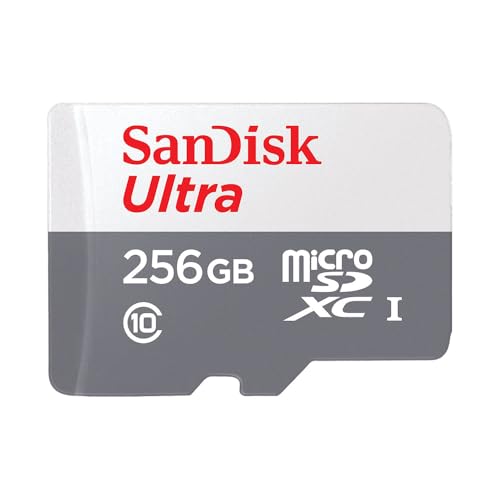
SanDisk 256GB UHS-I microSD Card with Adapter

NEEWER PA127 Quick Release Monitor Mount

Newmowa Clip Selfie Light with Smart Sensor

Xiaomi Poco X7 Pro 5G 512GB + 12GB Yellow
Why These Options Stand Out
If your phone still runs out of room after a weekend of casual shooting, this little card is a gentle way to fix that. The 32GB tier is small by today’s standards, but it’s a smart fit for older or budget phones that top out at modest storage. Think of it as a starter upgrade, not a long-term vault.
It pairs easily with Android handsets, and the 100MB/s read rating keeps photo transfers feeling snappy when you offload to a laptop. Owners commonly report it slots in cleanly and stays stable across firmware updates, which matters more than flashy numbers.
Useful Strengths
- Low entry cost for first-time storage upgraders
- Plug-and-play compatibility with most Android phones
- Plenty fast for full-HD video capture and quick photo dumps
Points To Keep In Mind
- Capacity fills up quickly with 4K clips, so routine offloading is part of the deal
Best Suited To
Casual phone shooters shooting full-HD clips who want a simple, inexpensive storage bump.
A Better Fit Elsewhere
The SanDisk 256GB UHS-I card below suits anyone chasing longer trips where offloading isn’t an option.
Step up from the 32GB Ultra card and you land here, where headroom finally meets sustained speed. This is the card to grab when 4K recording is part of your regular routine, not an occasional experiment.
The 160MB/s read rating is genuinely useful when you sit down at the end of a shoot and dump hundreds of RAW stills into your laptop. Owners commonly point to how the A2 rating helps apps launch faster from the card, which is a nice bonus on phones that store games or offline music there.
A Strong Showing
- Rated V30 and U3 for sustained 4K write performance
- A2 app performance keeps phone apps snappy from the card
- 512GB holds roughly a full vacation’s worth of clips before offload
Trade-Offs To Consider
- You’ll only see top speeds in phones that support the UHS-I bus at full bandwidth
- Larger capacity means more to lose if the card is ever misplaced
Quick Facts
Who Should Grab It
Pro phone videographers shooting long-form 4K who need reliable write speed over hours of footage.
Skip It When
The SanDisk 256GB card below is a calmer pick if you’re only shooting in bursts during weekends.
Consider this the middle child of the family: it shares the 32GB capacity of the Ultra card but inherits the Extreme line’s video speed class. That extra rating is the reason action-camera owners and older GoPro shooters lean toward it.
The card ships with a full-size SD adapter, which makes it easy to slide into laptops and drone readers without hunting for extras. In practice, that adapter sees more use than you might expect on travel days.
Practical Advantages
- V30 rating brings 4K-ready write speeds to a compact 32GB card
- Included SD adapter broadens device compatibility out of the box
- SanDisk’s reputation for rugged build quality travels well
Soft Spots Worth Noting
- 32GB fills quickly with 4K, so plan on swapping cards during long shoots
- Read speed tops out around 100MB/s, slower than the larger Extreme sibling
Made For
Action camera owners running older GoPros or drones who want steady write speeds in a small form factor.
Consider Something Else When
The Lexar 256GB 2-Pack below is a smarter travel pick if you need backup capacity on a longer trip.
Two cards in a single box changes how you shoot on the road. With the Lexar 2-pack, you can swap a fresh card in mid-event without scrambling for backup storage, which matters during weddings or week-long trips.
Each card supports 4K recording at 60fps and lands at the V30 video speed class. The 205MB/s read rating is among the faster numbers in this roundup, so post-shoot file dumps feel quick.
What Helps Most
- Twin-card design removes single-point-of-failure anxiety
- V30 rating supports smooth 4K at higher frame rates
- Generous 205MB/s read for fast transfers to a laptop
Possible Compromises
- Write speed tops at 150MB/s, slower than the read figure suggests
- Buying two cards at once means a bigger upfront spend
Right Fit For
Travel and event shooters who want redundancy in the bag without juggling multiple purchases.
Look Elsewhere When
The SanDisk Extreme 512GB card is a better fit if you prefer one giant card over two smaller ones.
Shaky handheld videos are the bane of workout content, and that’s exactly the problem this mount solves. Six N52 neodymium magnets clamp the phone firmly to treadmills, racks, and other steel surfaces, leaving your hands free to demonstrate the move.
The 360-degree adjustable head and standard 1/4″-20 thread base open up overhead and tripod angles that you simply can’t hold mid-rep. For anyone filming fitness tutorials, that flexibility is the difference between watchable footage and a tilted mess.
Noteworthy Benefits
- Six neodymium magnets hold firm during high-intensity sessions
- Universal tripod thread broadens mounting options beyond the gym
- 360-degree rotation helps frame both flat and overhead angles
Less-Strong Areas
- Strong magnets require a metal plate or magnetic-friendly case on some phones
- Not designed for permanent installation on equipment
Feature Snapshot
Who Will Love This
Gym and tutorial creators filming overhead lifts or dynamic angles on steel equipment.
Reach For A Different Pick When
The NEEWER PA127 mount below fits better for video-rig shooters needing a quick-release cage setup.
Half a terabyte tends to quiet storage anxiety, and the Gigastone card offers it without the premium pricing of the big-name brands. For drone pilots and GoPro owners logging long flights, that combination matters.
Read speeds land at 100MB/s, which is enough for smooth full-HD playback and decent 4K work on most cameras. Owners commonly mention the included mini case as a small but appreciated bonus when juggling multiple cards on the road.
Where It Delivers
- 512GB fits hours of footage before you need to swap cards
- A1 rating supports faster app loads on phones that use the card for apps
- Built tough against water, shock, and X-ray exposure
Potential Sticking Points
- Write speeds run lower than the SanDisk Extreme line
- Less brand recognition may give some shoppers pause
Built With In Mind
Drone and GoPro users who want maximum storage without stretching into premium pricing.
Swap It Out When
The SanDisk Extreme 512GB card above is a smarter bet for sustained 4K at higher bitrates.
The 256GB tier is the comfortable middle ground that most phone photographers settle into, and this SanDisk sits exactly there. It’s not the cheapest or the largest, but it rarely leaves you stuck mid-trip without space.
UHS-I Class 10 keeps the card aligned with the standards most Android phones expect, and the bundled adapter makes it easy to pop into laptops. The plain branding is a quiet plus for anyone who likes gear without flashy labels.
Real-World Strengths
- Capacity covers a typical weekend of full-HD clips and RAW stills
- Universal SD adapter included for cross-device use
- SanDisk’s track record means broad compatibility across phone brands
Honest Caveats
- 100MB/s read speed sits below newer Extreme-branded siblings
Quick Facts
Whose Shelf It Belongs On
Everyday Android creators shooting a mix of video and stills who want one card to handle most scenarios.
Not Your Match When
The Lexar 256GB 2-Pack below wins for shooters who want a backup card on hand at all times.
Mobile filmmakers eventually run into a wall: phone screens are great for framing selfies but terrible for live monitoring. The PA127 solves that by clipping an external field monitor onto your existing phone cage rig.
Quick-release mounting means you can drop the monitor on and off without unscrewing anything, which matters during fast takes. It’s built for the NEEWER phone cage family but also fits several third-party video rig stabilizers.
What Stands Out
- Quick-release clamp speeds up rig setup and breakdown
- Broad compatibility with NEEWER phone cages and most video rigs
- Lets a director or operator monitor shots while the talent films
Where It Is Less Suited
- Only useful if you already own a compatible phone cage or video rig
- Field monitor hardware is sold separately
Perfect Match For
Rig-based mobile filmmakers who already run a NEEWER cage and want a clean monitor mounting solution.
Where A Sibling Pick Shines
The MOKPR Magnetic Gym Phone Holder above works better for handheld or gym setups that don’t use cages.
Bad restaurant lighting ruins more portraits than bad cameras do, and a clip light is the fastest fix. The Newmowa light clamps onto your phone and uses a smart sensor to read the room, adjusting brightness so faces stay properly exposed without manual tweaks.
The 2000mAh battery runs through long sessions, and the pink shell is small enough to disappear into a jacket pocket. For vloggers chasing golden-hour looks indoors, this is the kind of accessory that quietly earns its place.
A Few Strong Suits
- Smart light sensor removes the need to fiddle with brightness mid-shoot
- 2000mAh battery holds up across multi-hour sessions
- Compact clip form factor fits most phone and case widths
Practical Considerations
- Clip design can leave marks on ultra-slim phones without cases
- Charging via standard USB cable, not a quick-charge port
Who Will Love This
Selfie and vlog shooters recording in mixed indoor lighting who want automatic brightness control.
Consider Something Else When
The MOKPR magnetic holder above is a smarter add for outdoor gym content where lighting is already strong.
The anchor of any phone-based photography kit is the phone itself, and the Poco X7 Pro arrives with the kind of spec sheet that catches your eye. A 50MP main camera, paired with 512GB of internal storage and 12GB of RAM, gives content creators room to shoot without constantly culling files.
The 6.67-inch display makes framing and reviewing clips easier than on smaller phones, and dual SIM support helps travelers swap networks on the go. One practical note for shoppers in the US: this model is designed for T-Mobile and compatible MVNOs, so double-check carrier fit before committing.
Well-Handled Touches
- 50MP main sensor for detailed stills in good light
- 512GB onboard storage reduces the need for an external card
- 12GB RAM keeps multitasking smooth while editing clips on device
Things To Weigh
- Carrier compatibility is narrower than US-first brands
- No microSD slot, so internal storage is your only option
Feature Snapshot
Right Fit For
Mobile-first creators on T-Mobile or compatible networks who want strong hardware at a value-leaning tier.
Skip It When
The SanDisk 512GB Extreme card above makes more sense if you’re happy with your current phone and just need storage.
Picking The Right Memory And Mounts For Mobile Photography
Smartphone photography is a system, not a single device. Start by matching your card’s video speed class to your highest recording resolution: V10 and V30 cards handle full-HD cleanly, while 4K shooters need V30 minimum, with V60 or V90 preferred for higher bitrates or 120fps footage.
Storage capacity depends on how often you offload. A 128GB card feels endless for casual shooters who sync weekly, while travel videographers often step up to 256GB or 512GB to avoid mid-trip juggling. For most people, 256GB hits the sweet spot between cost and convenience.
Mounts and lights matter more than people expect. A gimbal or magnetic holder turns shaky handheld clips into usable footage, while a clip light rescues dim restaurant and golden-hour scenes where the phone sensor struggles. Match the mount to your typical shoot: gym creators want magnetic grips, rig filmmakers want quick-release cages.
Phone compatibility is worth a final check. Some Android handsets, like the Poco X7 Pro covered above, skip the microSD slot entirely and rely on internal storage. Others cap cards at 1TB or below. Confirm your phone’s card ceiling before investing in larger-capacity media.
Things Worth Knowing Before You Buy
Where Shoppers Go Wrong
The most common slip is buying a card with a capacity that feels right in the store but fills up the first weekend of real shooting. Photo and video files balloon fast at 4K resolution, so buying a tier above what you think you need tends to age well. Another trap is assuming any microSD will record 4K smoothly: cards without a V30 rating can drop frames mid-clip, especially during fast action. Skipping the speed class check is the single biggest reason video files end up corrupted on budget cards.
What Separates Premium From Basic
Higher-tier cards typically deliver faster sustained write speeds and longer warranties, plus V60 or V90 ratings for advanced video work. The practical payoff shows up in burst-mode RAW photography and longer 4K takes without dropped frames. Premium mounts usually offer quick-release mechanisms, broader tripod compatibility, and metal construction that survives daily travel. For casual shooters, the gap is small. For creators posting weekly content or shooting paid work, the upgrade pays off in fewer reshoots and faster post-production.