

Picking the right phone for a child isn’t a one-size answer. Some families want a full smartphone for an older kid heading to middle school, others want a sealed-down device for an eight-year-old walking home from practice, and plenty want nothing more than a sturdy pretend phone that keeps a toddler happy on long drives. This roundup walks through both worlds: dedicated kids’ phones with parental guardrails, and mainstream unlocked smartphones that can be set up for family use. Each pick below is matched to a specific age range and use case so you can land on something that fits without overbuying.
An Overview Of The Picks

Dylanto Kids Phone 3.5″ Touchscreen Toy (Blue)

Poco C65 4G LTE 128GB + 6GB Unlocked (Blue)

Tracfone Motorola Moto G Stylus (2020) 128GB

Apple iPhone XR 64GB Unlocked (Yellow, Renewed)

Gabb Phone 4 Kids Phone, GPS, No Internet

Realme C11 2021 32GB + 2GB Factory Unlocked
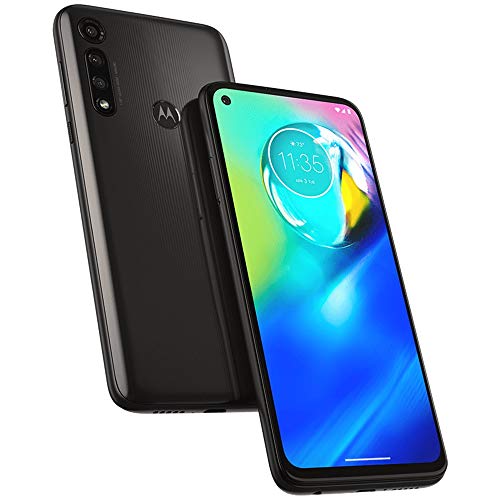
Motorola Moto G Power 4/64GB Unlocked (2020)

Dylanto Kids Phone 3.5″ Touchscreen Toy (Purple)

Dylanto Kids Phone 3.5″ Touchscreen Toy (Pink)

Apple iPhone XR 128GB Unlocked (Coral, Renewed)
The Picks, Examined More Closely
The blue Dylanto Kids Phone is built for pretend play rather than real connectivity, which makes it a calm entry point for ages 3 to 9. The 3.5-inch touchscreen sits in a chunky body that’s easy for small hands to grip, and a dual-camera setup lets kids snap and view their world without needing a data plan.
Parents looking for a no-network option appreciate that nothing here dials out, opens apps, or browses. It runs on a rechargeable battery, ships in a gift-friendly box, and the dinosaur-themed variant leans toward younger boys who want something fun to carry around.
Useful Highlights
- 3.5-inch touchscreen sized for small hands
- Dual cameras for pretend photography and video playback
- No cellular plan or internet required
- Lightweight plastic build that survives most tumbles
Things To Consider
- Battery life is short under heavy play, so plan nightly charging
- Won’t grow with a child past the early-elementary years
Who It Suits Best
Preschoolers and early elementary kids who want the feel of one without the responsibilities of a real handset.
Skip It When
Your child is closer to 10 or 11 and already asking for actual calls and texts, since you’ll want a real device like the Gabb Phone 4 instead.
The Poco C65 is a full-fat Android phone aimed at older kids and teens who want streaming, games, and a real data plan. Its 6.74-inch Dot Drop display pushes a 90Hz refresh rate, which makes scrolling social feeds feel smoother than the toy devices listed above.
Inside, a MediaTek Helio G85 octa-core chip handles everyday apps, while 128GB of storage leaves room for photo libraries. One important note for families in the US: this handset works on T-Mobile-based carriers like Mint and Tello, so confirm your child’s plan matches before you commit.
A Strong Showing
- 128GB internal storage plus microSD expansion
- 50MP main camera for sharper everyday photos
- Side-mounted fingerprint sensor for fast unlocking
- 3.5mm headphone jack still included for wired earbuds
Points To Note
- Carriers are limited to T-Mobile-based networks in the US
- Software update support tends to be shorter than flagship brands
Key Specs
Made For
Teens on a Mint or Tello plan who want a large screen and don’t need flagship-level polish.
A Better Fit Elsewhere
Parents who want locked-down controls should look at the Gabb Phone 4, which strips out apps entirely.
The Tracfone-branded Moto G Stylus (2020) trades the open-ended freedom of an unlocked phone for predictable monthly costs. School-age kids who jot notes, sketch, or scribble homework get a built-in stylus that slides into the frame, a feature most kids’ phones don’t bother with.
A 6.8-inch FHD+ Max Vision display gives plenty of canvas for doodling, while the 48MP quad-camera system handles school-project photography. The 4000 mAh battery tends to stretch to two days on light use, which means fewer panicked charging sessions midweek.
Real-World Strengths
- Slide-out stylus for note-taking and drawing
- 128GB storage with microSD support up to 1TB
- All-day battery on typical student workloads
Trade Offs
- Locked to Tracfone’s network, no switching carriers
- 2020-era processor lags behind current budget phones
Right Fit For
Prepaid families who want a stylus-equipped phone bundled with straightforward monthly service.
Consider Something Else When
Your child travels internationally or switches carriers often, since the Motorola Moto G Power is unlocked and travels more freely.
This renewed iPhone XR gives families a route into Apple’s ecosystem without paying new-device pricing. The 6.1-inch Liquid Retina LCD display still holds up for streaming and FaceTime, and the A12 Bionic chip continues to handle modern iOS apps comfortably.
Renewed units go through a full diagnostic test and are guaranteed to hold at least 80 percent battery capacity, which matters when a phone is handed to a teen. The yellow finish adds personality without feeling childish.
What Stands Out
- Polished iOS experience with strong parental control options
- Unlocked for use on AT&T, T-Mobile, and other GSM carriers
- Lower price than new iPhones for similar everyday performance
Worth Noting
- 64GB fills up fast with photos and videos
- Pre-owned condition can vary between units
Best Suited To
First-time phone owners joining a household that’s already Apple-oriented.
Look Elsewhere When
Storage matters more than brand, since the iPhone XR 128GB in coral offers double the room in the same form factor.
The Gabb Phone 4 is the closest thing on this list to a purpose-built starter phone. It runs on Gabb OS, which strips out web browsers, social media apps, and an open app store, replacing them with calling, texting, and parent-approved contacts only.
Built-in GPS tracking and Safe Zones let parents see where a child is without handing them full internet access. It targets kids roughly 8 to 12, the age when families often want contact without exposure.
The Good Stuff
- No browser, social media, or app store distractions
- GPS tracking with Safe Zone alerts
- Clean, kid-friendly interface that feels grown-up
Honest Caveats
- Requires Gabb Wireless service for full functionality
- Limited upgrade path as a child grows into teen needs
Who Will Love This
Parents easing an 8 to 12-year-old into their first phone who want calls and location without the open internet.
Reach For A Different Pick When
Your child needs real apps for school or creative projects, where the Poco C65 4G LTE 128GB + 6GB Unlocked offers far more flexibility.
The Realme C11 (2021) sits at the budget end of unlocked phones, aimed at families who want basic calling and light app use without a premium price tag. It runs Realme’s lightweight skin over Android, which tends to be gentle on the modest 2GB of RAM.
It only works on GSM networks, so families on Verizon or Sprint should look elsewhere. For travelers and expat households on AT&T-based or international carriers, however, it’s a serviceable starter handset.
Benefits That Matter
- Factory unlocked for use on most GSM carriers
- Compact body that fits smaller hands and pockets
- Lower entry price than most touchscreen smartphones
Less Ideal Details
- Won’t activate on Verizon or Sprint CDMA networks
- 2GB of RAM struggles with heavier modern apps
Built With In Mind
Families on AT&T, T-Mobile, or international carriers who need a low-cost first phone for a light user.
Swap It Out When
Your child needs more power for school apps and longer battery life, since the Motorola Moto G Power delivers both with a larger cell.
The Moto G Power’s defining trait is its 5000 mAh battery, which Motorola rates for up to three days on a single charge. That’s a meaningful upgrade for kids who forget to plug in, or families who don’t want a charger living at school.
A 6.4-inch Max Vision Full HD+ display, dual stereo speakers, and a triple-camera system round out a phone that doesn’t pretend to be a flagship. The unlocked body works on US 4G networks, which most carriers already support.
A Few Highlights
- Up to three days of battery under typical use
- Unlocked for use across major US carriers
- 16MP main camera with macro and ultra-wide companions
Some Limits To Know
- Larger footprint can feel hefty for younger kids
- Charging speed lags behind newer budget phones
Feature Snapshot
Whose Shelf It Belongs On
Travel-heavy families and outdoor kids who can’t always reach an outlet.
Not Your Match When
You want the simplest possible setup, since the Gabb Phone 4 limits what a child can do with the battery they have.
This purple Dylanto is essentially the same toy as the blue model at the top of the list, wrapped in a different color shell. For shoppers whose child gravitates toward purple, that choice can matter more than it sounds, since little kids often bond with the version they get first.
You get the same 3.5-inch touchscreen, dual cameras, and offline play experience. There’s no cellular connectivity, so it’s purely a play companion rather than a communication tool.
Well-Handled Touches
- Same screen and feature set as the blue Dylanto
- Color finish that’s often a top request from kids
- Gift-ready packaging for birthdays and holidays
Points To Keep In Mind
- Identical internals mean no extra capability vs. other colors
- Color preference shifts quickly in younger kids
Who Should Grab It
Parents whose child specifically wants a purple toy phone and who already like the Dylanto concept.
Where A Sibling Pick Shines
The pink Dylanto edition is a better match for households with a child who leans toward warmer shades.
The pink version of the Dylanto Kids Phone rounds out the color options for families who want a softer look. Functionally identical to the blue and purple variants, it offers the same 3.5-inch touchscreen and offline play experience that makes the line a frequent stocking stuffer.
It targets the same 3 to 9 age range and runs the same lightweight apps and games, so the choice really comes down to color and gift occasion.
Everyday Wins
- Matches the pink preference many younger kids ask for
- Plug-and-play with no setup or subscription
- Light enough to toss in a diaper bag or backpack
Small Caveats
- No real phone features despite the smartphone shape
The Right Fit
Holiday shoppers and gift-givers looking for an affordable, age-appropriate pretend phone.
Another Choice May Suit
The Gabb Phone 4 is a smarter pick when the goal is a real starter phone for an older child.
The 128GB coral iPhone XR is the roomier sibling of the yellow model earlier in the list, doubling storage for families who expect their kid to keep a lot of photos and games on the device. The coral finish reads warm without leaning too young.
It keeps the same 6.1-inch Liquid Retina display and A12 Bionic chip, both of which still handle current iOS apps comfortably. As a renewed unit, it’s been tested and wiped of prior data before resale.
Standout Benefits
- 128GB storage holds larger photo and game libraries
- Same polished iOS experience as the 64GB model
- Coral finish stands out in a sea of black phones
Where It Is Less Suited
- Renewed condition still varies unit to unit
- Older chipset may struggle with the heaviest new games
Perfect Match For
Older kids and teens who want iOS plus enough storage to skip constant cleanup.
Wrong Turns To Avoid
Shoppers wanting locked-down controls should avoid this and choose the Gabb Phone 4, which intentionally limits what a child can install.
What Matters Most Before Choosing Android Phones For Kids
Matching the Phone to the Child’s Age
The biggest decision point isn’t specs, it’s developmental fit. A toy phone suits ages 3 to 6, when pretend play and simple games carry most of the appeal. By ages 8 to 12, kids usually want real calling and texting, which is where devices like the Gabb Phone 4 earn their keep. Teens gravitate toward full smartphones with bigger screens, stronger cameras, and the freedom to load the apps they actually use for school and socializing.
Network and Carrier Compatibility
Carrier lock-in shapes the entire experience. A Tracfone-locked Moto G Stylus keeps monthly service predictable but ties your child to one carrier, while unlocked phones like the Poco C65 or Moto G Power travel more freely but require you to bring your own SIM. Confirm the bands listed in the product details match your carrier before ordering, since GSM-only phones won’t activate on CDMA networks like Verizon or Sprint.
Parental Controls and Open-App Trade-Offs
Open Android gives flexibility but also exposes kids to the full app store. A purpose-built OS like Gabb’s strips out browsers and social media by design, which can be a relief for parents easing a child into their first device. Mainstream phones offer strong parental control apps, but those controls only work if a parent sets them up early and consistently.
Storage, Battery, and Durability for Daily Use
Storage matters once photos, videos, and games start piling up. 64GB fills quickly, 128GB feels roomy, and microSD support is a quiet bonus for kids who shoot lots of video. Battery capacity tends to matter more than raw speed for younger users, since a forgotten charger shouldn’t end a school day. Plastic-bodied toy phones absorb drops that would crack a glass smartphone, which is something to weigh for kids under 10.
Key Considerations Across These Picks
Common Shopping Slip Ups
The most frequent mistake is buying a phone on spec rather than on network compatibility, which leads to a handset that simply won’t activate. Another trap is assuming any unlocked phone is parent-ready out of the box, when in reality most Android devices require a separate parental control app and active supervision. Skipping the case and screen protector is the third classic miss, since kids drop phones more often than adults expect.
Where The Extra Money Goes
Higher-tier picks in this list typically charge more for stronger parental controls, longer software support, or refined build quality. The iPhone XR earns its premium over budget Android through sustained iOS updates and tighter ecosystem integration. Toy phones at the lower end trade real-world capability for affordability, which is the right call for the 3 to 6 age range but the wrong call once a child wants real communication. The upgrade is worth it when your child actually needs the extra capability, not before.


