

Not everyone needs a pocket computer. Plenty of households still want a phone that calls, texts, and stays out of the way, whether that’s a senior who values big buttons, a kid earning their first device, or anyone tired of battery anxiety. A basic phone cuts through app overload, lasts days on a charge, and fits in a coat pocket without ceremony. The five options below cover flip phones, budget smartphones with 5G, prepaid picks, and one corded landline that refuses to die. Each one earns its place for a different reason, so the right fit depends on who’s holding it and how they actually use it.
The Shortlist At A Glance

artfone G3 Flip Phone Unlocked for Seniors

Samsung Galaxy A17 Hybrid Dual Sim 4G

Realme C11 2021 Dual 32GB 2GB RAM
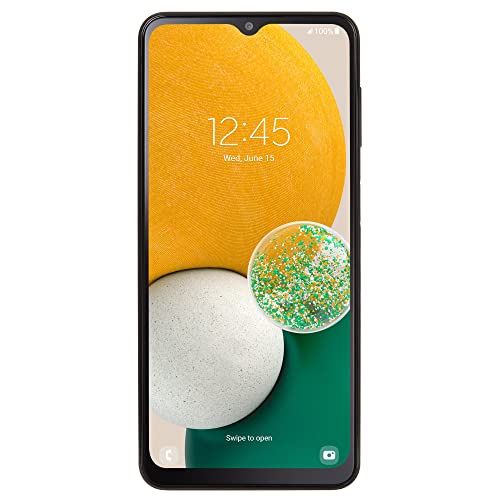
Tracfone Samsung Galaxy A13 5G 64GB

ComShion Corded Landline Phone Large Buttons
Why These Options Stand Out
Flip phones used to feel dated, but the artfone G3 leans into that simplicity on purpose. The clamshell form factor, sometimes called a “flip phone” because it folds closed like a clamshell, keeps accidental pocket dials to a minimum, and the 2.4-inch screen sits behind big, well-spaced buttons that are easy to find by touch. Compared to the budget smartphones later in this list, it drops nearly every modern distraction: no app store, no scrolling feeds, just calls, texts, and a few handy extras tucked in.
There’s an SOS button on the back that dials a preset contact in an emergency, which can offer real peace of mind for older family members living alone. Speed dial shortcuts and a voice time announcement round out the accessibility features, and the included charging dock means you can drop the phone onto a cradle at night without fumbling for a cable. You may find the camera and FM radio feel like small bonuses rather than serious tools, but for someone who wants a phone to be a phone, that restraint is the point.
Practical Advantages
- Folding clamshell design prevents accidental pocket calls and protects the screen.
- Back-panel SOS button offers one-press emergency contact for vulnerable users.
- Speed dial slots and hands-free calling make reaching frequent contacts effortless.
- 4G VoLTE support (Voice over LTE, which routes calls over a 4G data network for clearer audio) keeps call quality current on supported carriers.
- Charging dock removes the small daily frustration of plugging in a cable.
Things To Consider
- Designed primarily for GSM-based carriers like T-Mobile and its MVNOs (mobile virtual network operators, which are smaller carriers that piggyback on a major network), so anyone on Verizon or other CDMA networks will hit a compatibility wall.
- The small 2.4-inch display can feel cramped for anyone used to a larger smartphone screen.
Who It Suits Best
An older adult, a first-time phone owner, or anyone who wants calling and texting with zero learning curve benefits most from the G3’s friendly layout.
Look Elsewhere When
If someone in your home already lives in apps and wants 5G speeds, the Tracfone Samsung Galaxy A13 5G is the better fit in this lineup.
The Galaxy A17 is the closest thing to a “regular smartphone” on this list, which makes it the natural bridge between true basic phones and full flagship territory. Its 6.7-inch display dwarfs the artfone G3’s screen, so reading messages and browsing the web stops feeling like a chore. With 256 GB of internal storage and a 5000 mAh battery (a unit that measures battery capacity, where higher numbers mean longer runtime), the hardware is built to handle a day of maps, music, and messaging without breaking a sweat.
The hybrid dual SIM slot, meaning a tray that accepts either two SIM cards or one SIM plus a microSD card for extra storage, adds flexibility for anyone juggling a work number and a personal line, or traveling between regions. USB Type-C charging means you can use the same cable as most modern laptops and tablets. The honest read is that the A17 is still a budget-tier Samsung, so the camera and processor won’t compete with premium models, but for the price band it occupies, the feature stack is generous.
What Helps Most
- 256 GB of internal storage holds thousands of photos and apps without constant cleanup.
- 5000 mAh battery comfortably powers a full day of mixed use, often stretching further.
- 6.7-inch display makes reading, video, and navigation noticeably easier on the eyes.
- USB Type-C port uses the same charger cable as most modern electronics.
Worth Noting
- Camera and processor performance sit below premium Samsung models, so demanding apps may feel sluggish.
- As a 4G device, it misses out on the faster 5G speeds found in newer phones like the A13 5G on this shortlist.
Key Product Details
Made For
Anyone graduating from a basic phone to their first real Android, or a household that wants one shared device for calls, photos, and light apps, gets a lot of mileage from the A17.
Consider Something Else When
Strict minimalists who want zero apps will find the artfone G3 Flip Phone more aligned with their needs.
The Realme C11 2021 sits firmly at the entry level, but “entry level” doesn’t have to mean unusable. With 32 GB of storage and 2 GB of RAM (short for random-access memory, which affects how smoothly a phone multitasks), it covers the basics: calls, texts, light browsing, and a handful of apps. For a child getting their first device or a backup phone that lives in a glovebox, that combination is often enough.
The critical caveat lives in the carrier compatibility: this is a GSM-only phone, meaning it works on the GSM cellular standard used by T-Mobile and most international networks, and it won’t function on Verizon, Sprint, or other CDMA carriers, which is a real limitation for shoppers in the United States. Where the C11 shines is outside the US market, where it tends to slot neatly into prepaid plans and travel SIM setups. You may find the camera and processor modest for anything beyond casual snapshots, but at this price point, modest is the assignment.
Noteworthy Benefits
- Low-cost entry point for anyone who needs smartphone basics without a premium price tag.
- Factory unlocked design works with most GSM carriers worldwide.
- Dual SIM support lets travelers carry two numbers in one device.
- Compact grey finish feels unobtrusive in hand and pocket.
Room For Improvement
- Not compatible with Verizon, Sprint, or any CDMA-based network, which rules out large portions of the US market.
- 2 GB of RAM can feel slow when multitasking across heavier apps.
- International version may ship without US warranty support or domestic carrier tuning.
Right Fit For
International travelers, GSM prepaid shoppers, or anyone outside the US looking for an affordable dual-SIM phone will find the C11 well matched to their needs.
Skip It When
US shoppers on Verizon or those who want 5G should reach for the Tracfone Samsung Galaxy A13 5G instead.
The Tracfone Samsung Galaxy A13 5G is the practical, no-surprise option for households that already use Tracfone’s prepaid service. The 64 GB of storage holds a healthy app and photo library, and 5G support means the phone stays current as carriers continue retiring older networks. Compared to the Galaxy A17 reviewed earlier, this A13 leans more toward the entry-level prepaid experience, but it adds the speed advantage of a next-gen cellular connection.
Because the device ships locked to Tracfone, switching to another carrier later isn’t straightforward, and that’s the central trade-off. For a parent handing a phone to a teen, or a household that wants predictable monthly costs, that lock-in is often a feature, not a bug. The phone arrives ready to activate with a Tracfone plan, and the prepaid model means no contract surprises at the end of the month.
What Works In Its Favor
- 5G connectivity keeps the device relevant as carriers phase out 3G and older 4G bands.
- 64 GB of internal storage covers typical app and media use comfortably.
- Prepaid activation through Tracfone removes contracts and credit checks from the buying process.
- Samsung’s software polish makes navigation feel familiar even for first-time Android owners.
Points To Keep In Mind
- The phone is locked to Tracfone at activation, limiting future carrier flexibility.
- Prepaid data plans may feel restrictive for heavy streaming or hotspot use.
Best Suited To
A family already on Tracfone, or anyone wanting predictable prepaid costs with a modern 5G phone, will appreciate the straightforward setup.
Another Choice May Suit
Shoppers who want carrier flexibility and larger storage should look at the Samsung Galaxy A17, which offers 256 GB and an unlocked SIM setup.
Stepping outside the cellular world, the ComShion corded phone reminds you that the most reliable device in the house might already be plugged into the wall. There’s no battery to charge, no SIM card to swap, and no software update to fear. The large buttons and minimal layout suit seniors and anyone who wants a phone to feel familiar, and the corded design means the handset can’t wander off between calls.
It works well as a kitchen or bedside phone, and it earns its place in any home that values emergency reliability, since corded landlines often keep working during power outages when cell towers get congested. One thing worth noting is that this model lacks a built-in volume control on the handset, so anyone with hearing differences may need to look at a phone with an amplified receiver. Otherwise, it does exactly one job and does it well.
Notable Gains
- Large, well-spaced buttons aid users with limited dexterity or vision.
- Corded design keeps the phone anchored to its spot and removes charging routines.
- Reliable operation during power outages when cellular networks get overloaded.
- Versatile placement in home, office, or guest room without extra setup.
Honest Caveats
- No built-in volume control on the handset, which may frustrate users who need louder audio.
- Requires a working landline phone jack and active service from a phone provider.
Whose Shelf It Belongs On
Anyone building a home office, equipping a senior’s living room, or adding a backup phone for emergencies will find this ComShion model a sensible addition.
Reach For A Different Pick When
People who need mobility around the house or yard will prefer the artfone G3, which travels without a cord.
What To Weigh Before Picking A Basic Phone
Carrier Compatibility Comes First
Carrier compatibility decides whether a phone works at all. GSM networks (used by T-Mobile and most international carriers) and CDMA networks (used by Verizon and legacy Sprint) are two different cellular standards, and a phone built for one won’t always function on the other. Before buying, confirm which standard your carrier uses and whether the device supports the bands you need. The artfone G3 and Realme C11, for instance, are GSM-only, so Verizon shoppers should pivot to a phone like the Tracfone Galaxy A13 5G.
Buttons, Screens, And Accessibility
Basic phones live or die on usability. Flip designs, large keys, and bright displays help anyone with reduced vision or dexterity, while touchscreens with 6-inch-plus panels work better for people who read a lot of text or watch video. Consider who will hold the phone most and match the form factor to their habits rather than chasing specs.
Battery And Charging Habits
Battery capacity matters differently across form factors. A 5000 mAh cell in a smartphone like the Galaxy A17 can stretch past a day, while a flip phone on standby often lasts several days on a single charge. Charging docks, like the one bundled with the artfone G3, add everyday convenience for users who’d rather not fuss with cables.
Landline Versus Cellular
A corded phone like the ComShion model trades mobility for reliability. It stays put, works during outages, and removes charging from the routine. A cellular basic phone trades that fixed reliability for the freedom to leave the house. Many households keep both: a corded phone for the kitchen counter and a cellular basic phone for the road.
Key Considerations Across These Picks
Where Shoppers Go Wrong
The biggest trap is buying a phone first and checking carrier compatibility second. Several basic phones, including the artfone G3 and Realme C11, are GSM-only, and they won’t activate on Verizon or legacy CDMA networks. Locked prepaid phones add a second pitfall: the Tracfone Galaxy A13 5G works beautifully within Tracfone but won’t follow you to a different carrier later. Confirm the network, confirm the lock status, and confirm the return window before checking out.
When Paying More Pays Off
Stepping up from a true basic phone to a budget smartphone like the Galaxy A17 usually buys more storage, a larger screen, and access to apps. That extra money is worth it for anyone who wants maps, video calls, or modern messaging apps. It is harder to justify for someone who genuinely only wants to make calls, where a flip phone or a corded landline delivers the same outcome with less complexity. The honest call is to match the spending to the actual use case rather than the spec sheet.
Frequently Asked Questions
What Is A Basic Phone?
A basic phone is a mobile device focused on calling and texting, with minimal apps and a simple interface. It usually lacks a full app store and prioritizes long battery life and straightforward operation.
Are Flip Phones Still Available In 2026?
Yes, flip phones like the artfone G3 remain widely available, especially for seniors and minimalists. Modern flip phones often include 4G support, SOS buttons, and accessibility features that older models lacked.
Can A Basic Phone Work Without A Data Plan?
Most basic phones handle calls and texts on voice and SMS plans without requiring mobile data. Features like FM radio, the camera, and basic SMS messaging typically work on inexpensive prepaid plans with no data add-on.
Do Corded Phones Still Work In 2026?
Corded phones still function wherever an active landline service is installed, and they often remain operational during power outages. They serve as reliable backups for homes that also use cellular phones.
Should A Senior Get A Smartphone Or A Flip Phone?
It depends on the senior’s comfort level and habits. Flip phones with large buttons and SOS features suit users who only want calling and emergency contact. Budget smartphones make more sense for seniors who want video calls, photos, or family group chats.
The Takeaway
The right basic phone depends on who’s using it and where it will live. Seniors and minimalists get a lot of mileage from the artfone G3’s flip design, while budget Android upgraders find more room to grow with the Galaxy A17. Tracfone households land naturally on the locked A13 5G, GSM-only shoppers can save with the Realme C11, and anyone wanting a dependable desk phone should keep the ComShion corded model in mind. Pick the option that matches your carrier, your habits, and the person actually holding the phone, and the rest tends to fall into place.