

You want earphones that hit hard in the low end without turning everything else to mud, and you want them to actually fit your life, whether that’s a packed subway, a long stream session, or a quiet evening mixing tracks. This list covers nine options built around strong bass response, ranging from featherweight true wireless buds to multi-driver in-ear monitors aimed at musicians. Each pick gets a clear breakdown of what it does well, where it cuts corners, and who will actually love it, so you can match the right pair to the way you listen.
The Choices Worth Comparing

Godyse Wireless Earbuds Bluetooth 5.4 42H

YINYOO KZ-ZST Colorful Hybrid In-Ear Monitor

KZ ZSN PRO X Hybrid Dual Driver IEM

CCZ Yinyoo Melody In-Ear Monitors with Ear Fins

KZ ZS12 PRO 2 Six-Driver Hybrid IEM
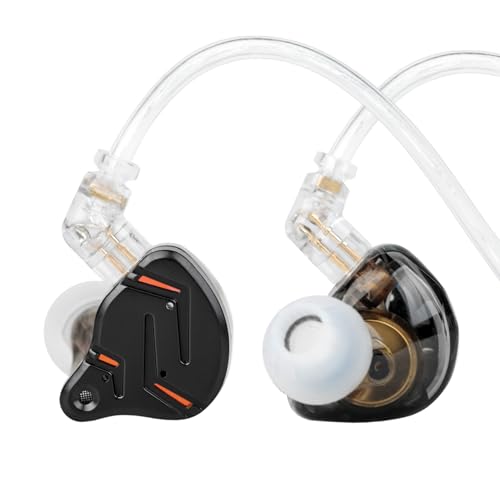
KZ ZST PRO X Hybrid In-Ear Monitor

CCZ MC02 MAX Dual-Magnet Gaming IEM

KBEAR K01 PRO Wired Gaming Earbuds

CCZ DC01 Pro Bass-Tuned IEM
Why These Options Stand Out
The Godyse Wireless Earbuds lean into convenience: Bluetooth 5.4 (the current wireless standard, which means a steadier connection and lower power draw than older versions), an ultralight shell, and a claimed 42-hour total runtime with the charging case. Four ENC microphones, where ENC stands for Environmental Noise Cancellation, work to clean up your voice during calls by trimming background sounds before they reach your caller. Compared with every wired IEM on this list, this pair is the obvious choice when cable-free daily use matters more than chasing the deepest sub-bass.
For commuters, students in shared spaces, and anyone who hates untangling cords before heading out, the dual LED display makes it easy to glance at remaining charge. Bass tuning here skews warm and rounded, which suits pop, hip-hop, and most podcasts without sounding bloated. You won’t get the precision of a multi-driver IEM, but you also won’t be tethered to your phone.
The Value In It
- Bluetooth 5.4 keeps pairing fast and signal drops rare on most modern phones.
- Four-mic ENC noticeably improves call clarity in cafés and on sidewalks.
- 42-hour combined battery life covers a full workweek of commuting.
- Dual LED battery display removes guesswork when you’re about to leave the house.
- Ultralight housing stays comfortable through long study sessions or desk days.
Points To Keep In Mind
- True wireless earbuds rely on the case for charging, so losing it leaves you stranded without audio.
- Warm bass tuning can blur fine details in classical or acoustic tracks.
Quick Facts
Who It Suits Best
Daily commuters, students, and casual listeners who want strong bass, easy calls, and zero cable hassle.
Where Another Pick Suits Better
For studio-style listening with more driver detail, the KZ ZS12 PRO 2 Six-Driver Hybrid IEM is a better fit.
The YINYOO KZ-ZST was one of the designs that made hybrid IEMs, which pair a balanced armature driver for treble detail with a dynamic driver for bass weight, affordable for everyday shoppers. A balanced armature is a tiny precision driver tuned for clarity, while the dynamic driver handles low-end punch, and together they deliver noticeably more texture than a single-driver earbud at this level. Compared with the Godyse true wireless pick above, this is a wired option aimed at people who prioritize sound character over portability.
The colorful shell, memory-wire over-ear fit, and detachable cable (on most variants) make this a friendly starting point for anyone stepping into the IEM world. Bass response is warm and present without overwhelming vocals. For most listeners moving from basic earbuds, this is a clear step up in definition and staging.
What It Does Well
- Hybrid driver setup separates bass work from treble work for cleaner overall sound.
- Over-ear memory wire keeps the fit locked in during commutes and workouts.
- Warm, full-bodied bass suits modern genres without bleeding into mids.
- An accessible price makes it easy to try an IEM for the first time.
Things To Weigh
- Wired-only design means no Bluetooth convenience for phone-only setups.
- The included cable and tips are basic; owners commonly swap them for aftermarket options.
Made For
First-time IEM shoppers and budget-conscious listeners who want a real taste of hybrid-driver sound.
Skip It When
You need true wireless freedom; the Godyse Bluetooth 5.4 pair is the better match for cable-free daily use.
The KZ ZSN PRO X pairs a zinc alloy faceplate with a resin shell, which gives it a noticeably more solid feel than most sub-flagship IEMs. The hybrid 1BA + 1DD setup (one balanced armature plus one dynamic driver) leans into gaming and music alike, with bass that punches when explosions hit but stays controlled enough for footsteps and dialog. Next to the KZ-ZST reviewed above, this is a sturdier build with a more confident low end.
Detachable cable design matters for gamers because cables tend to wear out first, and replacing one is far cheaper than replacing the whole IEM. The stock tuning pushes bass slightly forward, which works well for FPS titles where rumble adds immersion. Casual music listeners also tend to enjoy the warm tilt.
Strengths Worth Knowing
- Zinc alloy faceplate adds weight and durability for daily pocket carry.
- Detachable cable lets you swap or upgrade without buying new IEMs.
- Strong, controlled bass response that benefits both gaming and modern music.
- Hybrid drivers give clearer treble than single-dynamic earbuds at this level.
Honest Caveats
- The added metal faceplate makes these slightly heavier than resin-only shells, which matters on long sessions for some ears.
- Without a mic on this variant, you’ll need a separate desktop mic or an upgrade cable for voice chat.
Feature Snapshot
Right Fit For
PC and console gamers who play for hours and want punchy bass without losing positional detail.
A Better Fit Elsewhere
If you mostly stream music rather than game, the CCZ DC01 Pro Bass-Tuned IEM offers thicker, more vocal-friendly low end.
The CCZ Yinyoo Melody adds TPE ear fins, those small soft hooks that tuck into the outer ear, to a 1DD + 1BA hybrid shell, which makes a meaningful difference when you’re moving around on stage. The 4N OFC cable (OFC means oxygen-free copper, a higher-purity conductor that helps signal travel with less resistance) keeps the connection steady through long rehearsals. Next to the KZ-ZST reviewed earlier, this one is purpose-built for performers who can’t afford a slipped seal mid-song.
Tonally, the Melody leans toward a fuller mid-bass presentation with enough treble air to keep vocals intelligible in live mix. The UV-coated PC shell looks sleek on camera and resists everyday scuffs. For singers, drummers, and podcasters who want stable isolation, this earns its place.
A Few Highlights
- Ear fins lock the IEMs in place during movement-heavy performances.
- 4N OFC cable is more durable and signal-clean than generic stock cables.
- Hybrid 1DD + 1BA setup handles both low-end kick and vocal detail.
- UV-coated shell keeps its finish through road use.
Practical Considerations
- Ear fins add a small learning curve if you’ve never worn them before.
- No built-in mic means you’ll route vocals through your interface or mixer.
Whose Shelf It Belongs On
Live performers, singers, and on-stage musicians who need stable fit and reliable isolation.
Look Elsewhere When
Your listening is mostly couch-based music sessions; the YINYOO KZ-ZST Colorful Hybrid IEM is a more relaxed home pick.
The KZ ZS12 PRO 2 stacks five balanced armature drivers with one dynamic driver per side, a serious count for the price. That multi-driver design (BA drivers handle ultra-high and mid-high frequencies, while the DD handles bass) is the kind of separation you usually find in studio-tier IEMs. Next to every other pick on this list, it pulls noticeably more detail out of busy tracks while keeping bass weight intact.
For audiophiles, producers, and serious instrumentalists, this is the upgrade that finally makes cymbal decay and string texture audible without sacrificing low-end. The shell is on the larger side thanks to the driver count, so ear shape matters. People with smaller ear canals should sample the fit before committing.
What Pays Off
- Six-driver hybrid configuration delivers detail most budget IEMs can’t match.
- Strong separation helps mixing decisions and critical listening.
- Dedicated bass dynamic driver keeps low end physical, not just audible.
- Refined treble without harsh sibilance on well-recorded tracks.
Potential Compromises
- Larger shell size may not suit listeners with smaller ear canals.
- Wired-only with no mic means this is a sit-down listening tool, not a daily commute companion.
Key Product Details
Best Suited To
Audiophiles, producers, and musicians who want near-studio detail at a reachable price.
Swap It Out When
You mostly game or commute; the KZ ZSN PRO X Hybrid Dual Driver IEM is easier to live with on the move.
The KZ ZST PRO X is tuned with FPS players in mind, where precise imaging (the ability to tell exactly where a sound is coming from in 3D space) and fast transient response (how quickly a driver reacts to a sharp sound like a gunshot) decide close rounds. The hybrid 1BA + 1DD layout gives the dynamic driver room to deliver chest-level bass for explosions while the armature keeps footsteps crisp. Against the Godyse wireless pick at the top, this is a more specialized gaming tool with a wired connection that drops latency to zero.
A standard 3.5mm plug means it pairs with virtually any controller, laptop, or phone with a headphone jack. The tuning also handles music and video surprisingly well, which makes it a versatile pick for gamers who don’t want a second pair of earphones. Bass is rich without being muddy on most mixes.
Bright Spots
- Tuned imaging helps locate opponents in competitive FPS titles.
- Fast transient response keeps gunshots and impacts sharp.
- 3.5mm plug works with most controllers and laptops without adapters.
- Hybrid driver setup stays musical for after-match playlists.
Where It Is Less Suited
- No mic on this variant, so chat requires a separate boom or inline upgrade.
- Wired-only design adds cable management to mobile gaming sessions.
Perfect Match For
Competitive FPS players on PC, console, or mobile who want zero-latency sound and accurate positioning.
Another Choice May Suit
For a more music-first bass presentation, the CCZ DC01 Pro Bass-Tuned IEM brings thicker low end for casual listening.
The CCZ MC02 MAX uses a 10mm dual-magnet dynamic driver, where two magnets instead of one push the diaphragm harder for stronger bass from a single driver. The result is clear, controlled low end that adds impact to games and music without overwhelming vocals. Next to the KZ ZST PRO X reviewed above, this is a simpler single-driver build aimed at students and casual gamers who don’t need multi-driver complexity.
The translucent PC shell shows off the internals, which feels fun if you’re into the tech side of audio. A 5N OFC cable (a higher-purity copper than standard OFC) and 2-pin removable design help this IEM outlast its cable. Frequency response covers the standard 20-20KHz audible range.
The Practical Payoff
- 10mm dual-magnet driver pushes bass harder than typical single-magnet designs.
- 5N OFC cable plus 2-pin removable design extends service life.
- 3.5mm plug fits standard phones, laptops, and controllers.
- Translucent shell is a small aesthetic bonus for gear-curious listeners.
Possible Compromises
- Single-driver design limits treble air compared with multi-driver picks on this list.
- Without a mic on this variant, voice chat requires another solution.
Who Will Love This
Students, school gamers, and casual players who want punchy bass without a steep learning curve.
Consider Something Else When
You want crisper treble for music production; the KZ ZS12 PRO 2 Six-Driver Hybrid IEM is the better creative tool.
The KBEAR K01 PRO uses a custom 10mm dynamic driver with an ultra-thin PET diaphragm, where PET is a lightweight plastic film that moves quickly for snappier sound. That thin diaphragm helps bass feel tight rather than soft, which is unusual at the entry-level price. Against the KZ-ZST covered earlier, this is a simpler single-driver design but at a friendlier price for first-time wired-earphone shoppers.
The tuning aims for an easy, wide soundstage (the sense of space around instruments) that flatters games, movies, and casual music. You don’t get the precision imaging of a multi-driver pair, but you also don’t pay for it. This is a solid first step into wired IEMs before deciding whether to upgrade.
Useful Strengths
- PET diaphragm keeps bass tight and responsive at the entry level.
- Wide soundstage flatters games, movies, and casual music alike.
- Simple, durable wired build with no batteries to charge.
- Accessible price point for first-time IEM shoppers.
Where It May Fall Short
- Single-driver design can’t match multi-driver detail retrieval for critical listening.
- No mic on this variant limits it for voice chat or calls.
Who Should Grab It
First-time wired IEM shoppers and anyone wanting a low-cost backup pair for travel or gym.
Not Your Match When
You want stage-ready fit and isolation; the CCZ Yinyoo Melody In-Ear Monitors with Ear Fins are built for that scenario.
The CCZ DC01 Pro is a single dynamic driver IEM tuned for thicker, more colored bass, which suits vocalists, podcasters, and creators who want their voice and music to feel present. The patented ear fins and grooved ear tips (small design ridges that subtly shape how sound enters your ear canal) give a stable, isolated fit. Compared with the KZ ZSN PRO X covered earlier, this one trades hybrid detail for a warmer, more colored presentation that flatters spoken-word content.
The removable cable design protects your investment over years of daily use, and the bass-forward tuning pairs naturally with genres like R&B, hip-hop, and soul. For creators monitoring their own voice or producing bass-heavy music, the emphasis lands exactly where it’s wanted.
The Upside
- Bass-forward tuning flatters vocals and bass-heavy music genres.
- Patented ear fins and grooved tips improve stability and sound delivery.
- Detachable cable extends the IEM’s usable life.
- Comfortable enough for long editing or streaming sessions.
Things That May Matter
- Heavy bass emphasis can color the sound of reference mixes for critical production work.
- No mic on this variant means no inline voice option.
Built With In Mind
Podcasters, vocalists, and creators who want warm, present sound for spoken-word and bass-forward music.
Reach For A Different Pick When
You need balanced reference audio; the KBEAR K01 PRO Wired Gaming Earbuds give a flatter, more neutral starting point.
What to Know Before You Choose Bass Sound Earphones
Driver Layout Shapes the Sound Most
A single dynamic driver (essentially a tiny speaker that moves air to create sound) is the simplest and most common approach, and it usually means warm, full bass at the cost of treble detail. Hybrid designs pair a dynamic driver for low frequencies with balanced armatures for mids and treble, which adds clarity at a modest price increase. Multi-driver IEMs like the six-driver KZ ZS12 PRO 2 push detail even further but grow larger and cost more. For casual listeners and commuters, a single quality dynamic driver often feels the most natural. For producers, competitive gamers, and anyone editing sound, hybrid or multi-driver layouts are worth the extra size and money.
Fit and Isolation Decide Daily Comfort
Bass earphones live or die by seal quality: even a great driver sounds thin if air leaks around the tip. IEMs with ear fins like the CCZ Melody and CCZ DC01 Pro lock the seal in place during movement. True wireless picks like the Godyse pair rely on tip choice and case design, so trying a few tip sizes matters. People with smaller ear canals should look at single-driver or compact hybrid shells before committing to multi-driver builds.
Wired vs Wireless Changes Everything Else
Wired IEMs on this list offer zero latency, no charging, and usually better sound-per-dollar, which is why gamers and musicians gravitate toward them. True wireless earbuds trade some audio precision for portability and call convenience. Pick wired if your listening mostly happens at a desk, in a studio, or on a controller. Pick wireless if you take calls on the move, hate cable management, and want one pair to do it all.
Tuning Beats Spec Sheets Every Time
Two IEMs with identical driver layouts can sound completely different because tuning, the way the manufacturer adjusts how frequencies are balanced, shapes personality more than parts lists. Bass-forward tuning suits hip-hop, EDM, and gaming. Balanced tuning flatters vocals, podcasts, and acoustic music. Bright tuning lifts detail but can fatigue long sessions. Read reviews that describe the actual sound character rather than counting drivers, and pick the personality that matches your library.
Mistakes Worth Dodging in the Bass Earphone Aisle
Buying on Driver Count Alone
More drivers often mean better detail, but only when the tuning supports them and the housing fits your ears. A well-tuned single dynamic driver beats a poorly tuned multi-driver IEM every time. Shoppers sometimes chase the highest driver count and end up with a bulky shell that doesn’t seal properly, which kills bass response entirely. Match the driver layout to your listening style, not to spec-sheet bragging rights.
Ignoring Cable and Tip Quality
Stock cables and tips are usually the weakest part of any IEM. A loose or thin cable introduces crackle and signal loss over time, and the wrong tip size ruins bass response. Detachable cable designs like those on the KZ ZSN PRO X and CCZ DC01 Pro let you replace worn parts instead of the whole earphone. Trying aftermarket tips (usually silicone or memory foam) often improves both comfort and low-end weight.
When Paying More Pays Off in Bass Earphones
Multi-Driver Separation Earns the Premium
Picks like the KZ ZS12 PRO 2 with six drivers per side pull apart instruments that cheaper IEMs blur together. For producers mixing tracks, musicians learning parts by ear, and audiophiles chasing texture, that separation is worth the upgrade. Listeners who only stream compressed pop on a noisy commute won’t hear the difference as clearly, so the extra spend makes sense only when your source material and habits reward it.
Build and Cable Longevity Add Quiet Value
Higher-tier IEMs typically ship with metal faceplates, reinforced cables, and detachable connectors that survive years of pocket carry. Budget picks often need cable or tip swaps within months. Over the life of the earphones, that durability can matter as much as the sound signature, especially if you’re commuting daily or tossing earphones in a gym bag.
Frequently Asked Questions
Do more drivers always mean better bass?
Not necessarily. More drivers usually improve detail and separation, but bass weight still depends on the dynamic driver’s tuning and the seal in your ear canal. A well-tuned single-driver IEM can deliver deeper, tighter bass than a poorly tuned multi-driver pair if the fit is right.
Are wired earphones still worth buying in 2026?
Yes, especially for gaming, music production, and critical listening. Wired IEMs offer zero latency, no battery to charge, and often better sound-per-dollar than true wireless options. They trade convenience for sound quality and reliability.
What does ENC mean on wireless earbuds?
ENC stands for Environmental Noise Cancellation. It uses microphones to pick up background noise during calls and software to reduce it before your voice reaches the listener. It improves call clarity in cafés, on sidewalks, and on public transit, though it doesn’t affect the music you hear.
Can I use these IEMs for gaming on consoles?
Most wired IEMs on this list work with any controller or console that has a 3.5mm headphone jack. For voice chat, you’ll typically need an upgrade cable with a built-in microphone or a separate boom mic. True wireless picks like the Godyse pair connect directly via Bluetooth when the console supports it.
How important is tip fit for bass response?
Tip fit is critical. A poor seal leaks bass and makes the earphones sound thin and bright. Try different tip sizes, and consider memory foam tips if silicone doesn’t seal well. Bass earphones in particular depend on a tight seal to deliver the low-end weight they’re designed for.
Bottom Line
Bass-forward earphones cover everything from featherweight daily wireless to multi-driver studio tools, and the right choice comes down to where and how you listen most. Start with your real-world scenario (commuting, gaming, performing, or mixing) and let that guide whether you want wireless convenience, stage-ready fit, or critical-listening detail. Any of these nine picks will reward you with confident low end if the seal and tuning match your habits.


