

Mobile creators, podcasters on the move, and anyone tired of muddy phone audio know the pain of a great clip ruined by wind, echo, or a mic that drops out halfway through a sentence. A clip-on lavalier microphone (the small “lav” mic you pin to a collar or lapel) is the cheapest way to lift your sound into something polished, and the wireless crop has grown crowded fast. These ten picks cover the range from pocket-friendly phone companions to dual-channel kits built for interviews and run-and-gun shoots.
An Overview Of The Picks

NPTCL Wireless Mini Microphone USB Type C Lavalier Lapel Mic
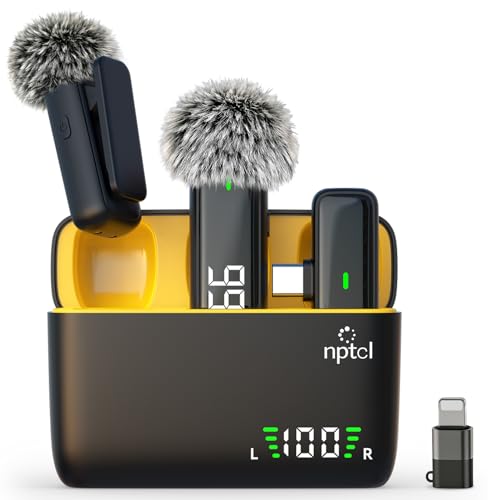
NPTCL Wireless Lavalier Microphone Mini USB C Mic
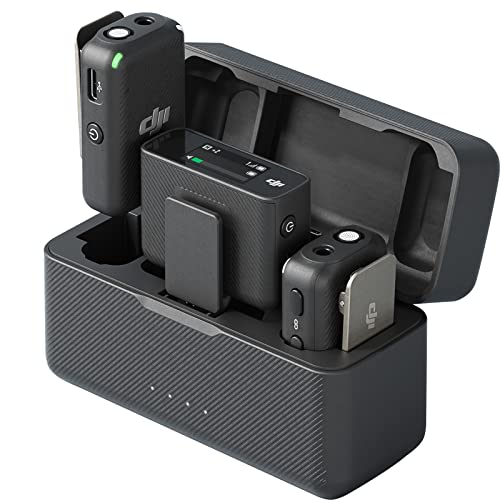
DJI Mic Wireless Lavalier Microphone with Charging Case

NPTCL Wireless Microphone for iPhone 17/16/15 PC Laptop

DJI Mic Mini Wireless Lavalier Microphone with Charging Case

NPTCL 2-in-1 Wireless Lavalier Lapel Microphone

Mini Mic Pro Wireless Mini Microphone with Noise Cancelling

Mini Mic Pro Wireless Mini Microphone with Charging Case

Mini Mic Pro for iPhone 15+ and Android

Rackwaylo Wireless Mini Lavalier Microphone with Noise Reduction
More On The Choices That Made The List
Small USB-C phone shoots are where this little clip-on shines, and the dual noise reduction (noise reduction refers to circuitry that suppresses unwanted ambient sound) toggle gives you more control than you’d expect at the price. It pairs over a 2.4 GHz wireless link (a common short-range wireless frequency used for mic transmission), which keeps latency low and skips the Bluetooth pairing dance entirely. Compared with the higher-ranked DJI kits further down, this is a much simpler single-mic build, and that’s the point.
The Upside
- Two selectable noise reduction modes let you tune the sound for busy streets versus quiet rooms.
- USB-C plug-in receiver means no battery to charge inside the receiver itself.
- Compact transmitter disappears behind a collar on camera.
- Wind handling stays clean enough for outdoor vlogs when you angle the mic away from gusts.
Things To Consider
- Single-channel only, so two-person interviews need a different rig.
- Range feels modest past about 20 feet in cluttered indoor spaces.
Feature Snapshot
Made For
Solo creators shooting quick social clips on a USB-C phone who want a no-fuss upgrade from built-in mics.
Consider Something Else When
The DJI Mic Mini suits you better if two-mic interviews and a long range matter for your work.
This sibling to the first NPTCL leans into marathon run time, which makes it a quiet hero for podcasters logging hour-long interviews or educators recording full lectures on a phone. The DPS chip inside (a digital signal processor, basically a tiny audio-cleaning brain) does a respectable job of taming background hum, and the included windscreen keeps plosives and breath pops under control. Compared with the dual-mic NPTCL 2-in-1, this model trades the second transmitter for a longer single-mic runtime.
Benefits That Matter
- Extended runtime on a single charge covers long interviews without battery anxiety.
- Compact charging case keeps the unit protected between sessions.
- Plosive handling with the included windscreen keeps spoken word crisp.
Worth Noting
- Single-channel, so a two-person setup means buying another set.
- No active noise cancellation toggle is offered, which limits flexibility in shifting environments.
Who It Suits Best
Podcasters, lecturers, and long-form interviewers who want one mic that can survive a full session without a recharge.
Look Elsewhere When
The NPTCL 2-in-1 Wireless Lavalier Lapel Microphone fits the brief better when you need to mic two speakers on a single phone.
The original DJI Mic is a serious piece of kit, the kind of two-transmitter setup that turns a single camera operator into a small production crew. Two transmitters pre-paired to a single receiver mean you can mic a host and a guest without juggling extra gear, and the included charging case keeps everything topped up between takes. Where the cheaper NPTCL models above are simple single-mic companions, this one is built for creators who move between interviews, livestreams, and outdoor shoots with real distance involved.
Everyday Perks
- All-in-one charging case stores, pairs, and tops up the transmitters automatically.
- Dual-channel recording captures two voices at once without a mixer.
- Onboard noise cancellation helps in windy or unpredictable outdoor environments.
- Touchscreen receiver gives quick access to levels and channel settings.
Trade Offs
- The full kit takes more bag space than a single pocketable mic.
- Connection options vary by receiver model, so double-check the port matches your phone or camera before buying.
Quick Facts
Best Suited To
Working videographers, two-host podcasters, and livestreamers who need dual channels and real range from a compact case.
A Better Fit Elsewhere
The DJI Mic Mini is a smarter choice if you want a lighter single-tote setup and don’t need the original’s full channel count.
Marketed squarely at the newest USB-C iPhones, Android, and PC laptops, this NPTCL model is the one to grab if you live across multiple devices and don’t want to keep swapping adapters. The DPS-based noise reduction does the heavy lifting on hum and HVAC drone, and the windscreen keeps outdoor takes usable. It feels like a more phone-aware sibling to the longer-runtime NPTCL reviewed earlier, with the same single-mic simplicity.
Well-Handled Touches
- Wide compatibility across recent iPhone, Android, and PC hardware.
- Windscreen plus DSP cleanup keeps the spoken word intelligible in everyday rooms.
- Pocket-friendly transmitter stays discreet on camera.
Honest Caveats
- Audio purity won’t rival the DJI kits when pushing the gain in noisy spaces.
- Single-channel only, which limits interview-style shoots.
Right Fit For
Multi-device creators who bounce between a USB-C iPhone, an Android backup, and a work laptop without wanting a drawer full of adapters.
Reach For A Different Pick When
The Mini Mic Pro (with Charging Case) makes more sense if you need Lightning support for older iPhones alongside USB-C.
The Mic Mini is DJI’s answer to creators who want dual-channel recording without the bulk of the original kit. The transmitters sit in the ultralight category, easy to forget they’re clipped on, and the charging case handles storage and topping off in one motion. Compared with the standard DJI Mic reviewed earlier, this one trims weight and footprint while keeping the two-transmitter workflow intact.
The Good Stuff
- Ultralight transmitters disappear on a collar or lapel during long days.
- Compact charging case keeps the rig organized in a small camera bag.
- Dual-channel capture suits travel interviews and on-location vlogs.
Room For Improvement
- Range and battery life are trimmed compared with the original DJI Mic.
- Pricing tiers vary by receiver and accessory bundle, which can complicate picking the right listing.
Key Product Details
Built With In Mind
Travel vloggers and on-location interviewers who need two clean channels in the smallest possible bag footprint.
Swap It Out When
The full-size DJI Mic fits better if you want the longest range and biggest battery in this category.
Where most NPTCL models ship as a single transmitter, this 2-in-1 kit gives you two mics paired to one receiver, opening the door to two-person interviews on a budget. The familiar DSP cleanup and included windscreen keep the audio profile consistent with the rest of the NPTCL family. It’s the budget-conscious cousin of the DJI Mic Mini, trading the polished case and longer range for a friendlier price tag.
Practical Advantages
- Two transmitters in one kit handle host-and-guest setups.
- Charging case extends daily use without a wall outlet.
- Recognizable NPTCL tuning keeps dialogue intelligible indoors.
Possible Compromises
- Build quality and range feel a step behind the DJI kits.
- Managing two transmitters takes a little more setup care than a single-mic workflow.
Perfect Match For
Two-person interview creators recording on phones or tablets who want simple dual-channel capture without a pro-tier budget.
Skip It When
The DJI Mic Mini makes more sense if you want longer working range and a more refined dual-channel case.
Mini Mic Pro leans into adapter-led flexibility, including both USB-C and Lightning receivers in the box, so the same kit works across modern iPhones, older iPhones, Android, tablets, and laptops. The clip-on form is small enough to slip into a pocket between takes, and the active noise cancelling feature targets busy cafés and street ambience. Compared with the bare-bones Rackwaylo at the end of this list, the Mini Mic Pro trades a simpler experience for richer device coverage.
What It Does Well
- USB-C and Lightning adapters ship in the box for cross-device use.
- Active noise cancellation helps in cafés, streets, and shared offices.
- Pocketable transmitter clips discreetly on a collar or placket.
Soft Spots
- You’ll need to swap adapters depending on which device you’re recording with.
- Single-mic only, so dual-speaker sessions need another unit.
Whose Shelf It Belongs On
Multi-device creators who switch between a Lightning iPhone, a USB-C iPhone, and an Android without skipping a beat.
Where Another Pick Suits Better
The Mini Mic Pro with Charging Case is the smarter grab if you also want a pocket-sized top-up case for travel days.
This Mini Mic Pro variant adds a small charging case to the same transmitter-plus-receiver setup, turning the wireless mic into a tidy little package that lives in a jacket pocket. The case keeps the battery topped between sessions, so a creator who grabs and goes isn’t stuck hunting for a cable. Where the adapter-only Mini Mic Pro above is about maximum device reach, this version is about maximum grab-and-go convenience.
Advantages To Know
- Charging case keeps the transmitter powered up between shoots.
- Active noise cancelling tames ambient hum during voiceovers.
- USB-C plus Lightning adapter coverage is included.
Less Ideal Details
- Adds one more thing to keep charged compared with adapter-only versions.
- Single-mic setup, so two-speaker interviews need a second kit.
Who Should Grab It
Traveling creators who want the whole wireless mic stored, charged, and ready in one small case.
Another Choice May Suit
The DJI Mic Mini is the better fit when you want dual-channel capture built into a more refined charging case.
This streamlined Mini Mic Pro version drops the dual-adapter approach and focuses on USB-C devices only, including iPhone 15 and later, Android phones, tablets, and laptops. Without apps or pairing screens in the way, it behaves like the kind of plug-and-play mic a first-time creator can hand to a friend without a tutorial. It sits between the bare-bones Rackwaylo and the more elaborate Mini Mic Pro variants in capability, leaning toward simplicity.
What Stands Out
- No-app, no-pairing setup keeps the workflow friendly for newcomers.
- USB-C-only design avoids loose adapters in a kit.
- Active noise cancellation handles typical room noise gracefully.
Points To Keep In Mind
- Older Lightning iPhones need an adapter or a different variant.
- Single-mic only, so a second speaker means buying another transmitter.
The Numbers That Matter
Who Will Love This
First-time wireless mic shoppers on USB-C iPhones and Android who want the simplest possible path to better audio.
Not Your Match When
The Mini Mic Pro (with Charging Case) is the smarter buy if you also need Lightning support and a portable top-up case.
The Rackwaylo keeps things stripped back: plug the receiver into your phone, power on the transmitter, and the two pair automatically with no apps or settings menus. It’s the kind of grab-it-and-go mic that works well as a backup in any creator’s bag, especially for podcasters and vloggers doing quick phone-only interviews. Compared with the Mini Mic Pro line, it skips dual-adapter flexibility for a cleaner, single-purpose setup.
Real Benefits
- Plug-and-play pairing removes setup friction for non-technical users.
- Noise reduction keeps spoken voice intelligible in typical indoor spaces.
- Small transmitter stays discreet on a collar during casual shoots.
- Broad phone, tablet, and laptop compatibility covers most daily gear.
Worth Bearing In Mind
- Single-channel only, so two-speaker setups aren’t practical.
- Audio refinement sits below the DJI kits in noisy outdoor spaces.
Right Fit For
Casual creators and first-time shoppers who want a fuss-free phone mic for interviews, podcasts, and quick social clips.
Where A Sibling Pick Shines
The Mini Mic Pro for iPhone 15+ and Android is the better pick when you want USB-C clarity with more active noise cancellation.
Factors To Consider When Choosing Bluetooth Lavalier Microphones
Connectivity And Device Fit
Start with the port on your phone or camera, because a USB-C receiver will not drop into a Lightning iPhone without help. Many of the picks above ship with USB-C and Lightning adapters, which is convenient if you swap devices. Match the receiver to your daily recorder before anything else.
Audio Quality And Noise Handling
Look for active noise cancellation or selectable noise reduction modes, especially if you record on busy streets or in shared offices. Higher-tier kits also tend to offer dual-channel recording, which lets two people mic up without a mixer in the middle.
Battery Life And Charging Case
Single-charge runtime and a charging case change how you plan a shoot day. Long interview sessions call for the longest single-charge numbers, while travel-heavy creators usually prefer a case that tops things up between takes.
Form Factor And Use Case
A discreet, lightweight transmitter matters for on-camera creators who don’t want the mic to dominate the frame. Travelers benefit from featherweight kits like the DJI Mic Mini, while studio-leaning podcasters may prefer the heftier dual-channel DJI Mic.
Key Considerations Across These Picks
Mistakes Worth Dodging
A common slip is buying a wireless mic based on headline features without checking the receiver port, which leads to arriving adapters that don’t fit your phone. Another trap is assuming all lavalier mics handle wind equally; even strong indoor models can sound rough outdoors without a windscreen. Worth confirming before you commit: battery life, channel count, and whether the kit actually ships with adapters for your devices.
When Paying More Pays Off
Stepping up to the DJI kits buys you dual-channel recording, longer wireless range, and a charging case that keeps the whole set topped off. The upgrade earns its place for creators doing interviews or livestreams, where two clean channels and reliable transmission matter more than the last word in portability. For one-person phone clips in quiet rooms, a simpler NPTCL or Mini Mic Pro still does the job well.
Frequently Asked Questions
Do wireless lavalier mics work with all phones?
Most modern picks rely on USB-C or Lightning receivers, and a few include both adapters. Double-check that the receiver matches your phone’s port before buying, and keep in mind older devices may need an extra adapter.
How far can a wireless lavalier mic reach?
Open-air range figures like 250 m (820 ft) on the DJI Mic are realistic in line-of-sight conditions. Indoors, walls and interference shrink that working distance noticeably, so plan for shorter reach in real spaces.
Is active noise cancellation worth it for lavalier mics?
Yes, especially for street, café, or office recording, where a noise-cancelling algorithm cleans up hum and crowd chatter. Quieter indoor setups can get by with simpler DSP (digital signal processing) cleanup, which is the lighter form of audio filtering found in most budget models.
Can I use two lavalier mics at once?
Yes, with a dual-channel kit such as the DJI Mic, DJI Mic Mini, or the NPTCL 2-in-1 model. Each transmitter records to its own channel, which makes editing two voices much easier in post.
Do I need a charging case?
A charging case keeps the transmitter powered between shoots and protects it in a bag. For travel-heavy creators, the case is usually worth it; for occasional home use, a basic single-charge setup may be enough.
Wrap Up
The right wireless lavalier mic comes down to your daily device, the number of voices you usually record, and how much kit you want to carry. Solo phone creators get plenty from the budget-friendly NPTCL or Rackwaylo, while interview-driven workflows benefit from the dual-channel DJI kits. Match the pick to your real-world setup, and the rest of your audio chain tends to fall into place.


