

Whether you’re rewiring a small console, replacing expired pyrotechnics, or upgrading switch panels, outfitting a boat well makes every trip calmer. The picks below cover protection, wiring, safety lighting, communication, and dash control, each chosen for a specific kind of boater. Pick by what your boat still needs.
A Fast Comparison Of The Options

Pelican 1170 Protector Case With Foam

Ancor 121910 Marine Duplex Cable 100ft
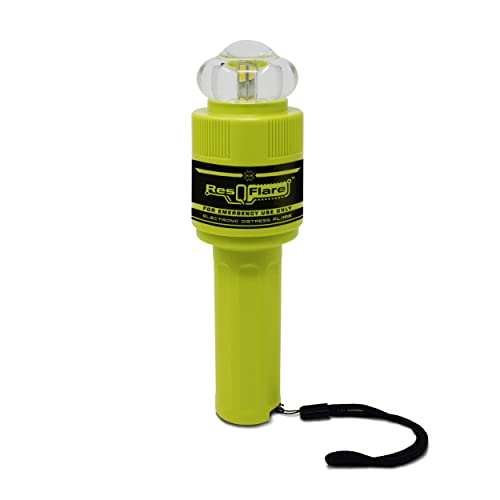
ACR ResQFlare Electronic Distress E-Flare and Flag

ACR ResQFlare E-Flare Safety Kit

Ancor 100810 Tinned Copper Wire 18 AWG 100ft
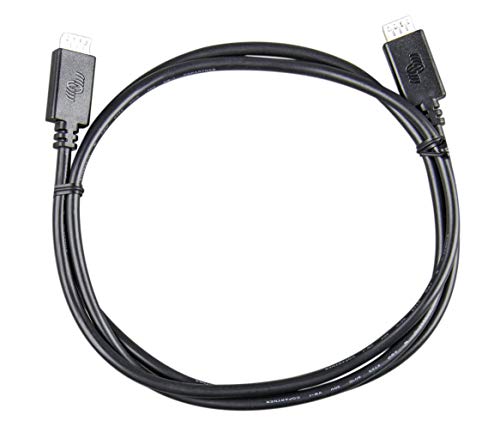
Victron Energy VE.Direct Cable 16.40 ft
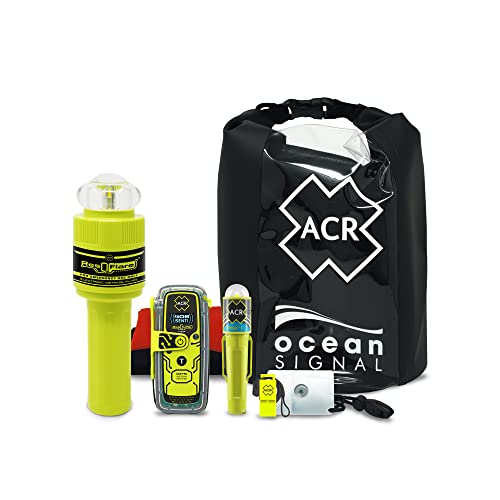
ResQLink View GPS PLB and ResQFlare Premium Safety Kit
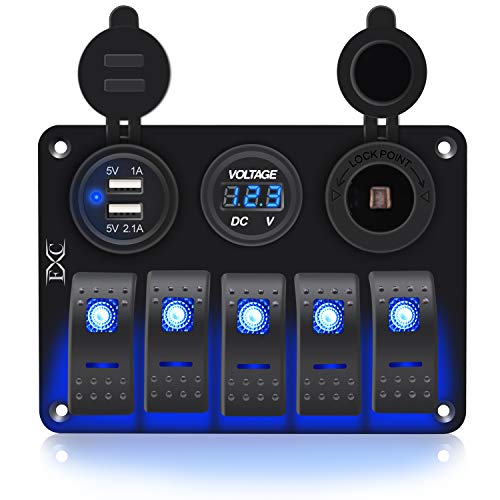
FXC 5 Gang Rocker Switch Panel with USB and Voltmeter

Purishion 4 Gang Rocker Switch Panel with Dual USB

FXC 5 Gang Rocker Switch Panel with LED Backlit
More On The Choices That Made The List
If you carry handheld electronics, a portable GPS, a handheld VHF, or a small action camera out on the water, the gear is only as safe as the box it lives in. The Pelican 1170 is built around an IP67-rated shell, which means it keeps out dust and survives temporary immersion. An automatic pressure equalization valve handles altitude and temperature swings, so the seal does not stress itself.
Inside, the Pick N Pluck foam lets you trace and tear out custom-shaped blocks for your specific gear. That is the kind of detail that matters when something is rattling around in a locker at 25 knots. Compared with soft dry bags, this case trades flexibility for real crush protection. Owners commonly rely on it for cameras, drones, two-way radios, and small chart plotters.
Standout Benefits
- IP67 sealing protects against splashes, brief dunks, and blowing spray.
- Pick N Pluck foam shapes around your exact gear for snug, rattle-free transport.
- Pressure equalization valve prevents the seal from sticking under heat or altitude shifts.
- Crushproof shell handles rough stowage in lockers and truck beds.
- Double throw latches stay closed under vibration but open easily when needed.
Points To Keep In Mind
- Interior volume is modest, so larger 10-inch chart plotters or full-size VHF radios will not fit.
- Bulkier than a soft dry bag for the same contents.
Key Specs
Best Suited To
Anglers and cruisers who carry handheld electronics, action cameras, or compact tools that need real impact and water protection.
Skip It When
You mostly need soft, packable storage for clothes or lunch; the ACR ResQFlare kit below pairs better with that kind of grab-and-go safety packing.
Two-conductor cable does most of the routine lighting work on small craft, and Ancor’s duplex line is the kind of wire many pros grab without thinking. The flat 18/2 (two conductors of 18 AWG) profile runs cleanly through bilge areas and behind panels. Color-coded red and black jackets save time when you are tracing a circuit at dusk.
You get 100 feet per spool, which is plenty for most single-hull rewiring jobs. The jacket strips without crumbling, which matters when you are working in tight quarters. For owners doing nav light replacement, interior cabin lighting, or simple accessory feeds, this is a sensible base wire to keep on the bench.
The Good Stuff
- Marine-grade jacket holds up to oil, salt spray, and battery acid exposure.
- Red and black color coding simplifies polarity checks.
- Flat 100-foot layout pulls smoothly through tight chases.
- Flexible stranding reduces fatigue at bends and connectors.
Trade Offs
- 18 AWG is not heavy enough for long high-draw runs like a windlass or main feed.
- Only two conductors, so any three-wire device will need a separate run.
- Spooled wire can kink if you pull too aggressively off the roll.
Who It Suits Best
DIY boaters redoing nav lights, cabin lighting, and small 12V accessory circuits where flexibility and corrosion resistance matter most.
Look Elsewhere When
You need a single-conductor feed; the Ancor 100810 tinned copper wire below is a better match for return paths or bus work.
If your old handheld pyrotechnic flares are approaching their expiration date, replacing them with an approved electronic option removes a lot of hassle. The ACR ResQFlare pairs an LED distress light with a daytime flag, and together they qualify as a USCG-approved replacement for pyrotechnic flares in U.S. waters. No flame, no expiration countdown on the box.
The unit is compact, weighs little, and floats if it goes over the side. An IP67 rating keeps spray and brief dunks from killing the signal. The trade-off is that electronic flares still require you to check batteries before each season, but you can do that on a shelf at home, not at the launch ramp.
A Few Strong Suits
- 360-degree light output makes it easy for rescuers to spot from any angle.
- Paired distress flag covers daytime signaling needs.
- Floats and rights itself in water, so a dropped unit still functions.
- Compact enough to live in a dry bag or ditch bag.
Worth Noting
- Requires battery checks before each season, which some owners forget.
- Not a substitute for a working VHF radio or EPIRB in true offshore emergencies.
Made For
Recreational boaters who want a clean, no-burn replacement for expired pyrotechnic flares stored near fuel or in cabin lockers.
Consider Something Else When
You want a full day-and-night bundle in one purchase; the ACR ResQFlare E-Flare Safety Kit below covers both signal windows and a few extras.
The kit version of the ResQFlare is aimed at boaters who want one package that covers the full USCG day-and-night visual distress requirement. The electronic flare itself carries a stated operational life around 20 hours and a peak intensity at or above 75 candela, well past the basic regulatory threshold. That extra runtime matters if a search takes longer than expected.
Like the standalone flare, it floats, is waterproof to IP67, and pairs with a daytime distress flag. Where the kit earns its place is in simplifying ownership: you get the components grouped together, so nothing drifts between lockers. For coastal and nearshore skippers, this is the cleaner path to compliance.
Notable Upsides
- Long operational life reduces anxiety during extended search windows.
- 360-degree visibility is easy for other vessels to lock onto.
- IP67 sealing keeps the unit functional after wet conditions.
- Bundle format means less guesswork about what to carry.
Some Limits To Know
- Costs more than the standalone flare and flag if you only need one signal type.
- Still dependent on battery state, so seasonal testing is non-negotiable.
Feature Snapshot
Right Fit For
Coastal cruisers and weekend anglers who want a single kit that handles both daytime flags and nighttime distress signals.
Not Your Match When
You venture far offshore; the ResQLink View GPS PLB kit later in this list adds a satellite beacon that reaches search-and-rescue networks.
Single-conductor wire is the everyday building block of marine electrical work. Ancor’s tinned copper 18 AWG spool fits that role, with a coating on each strand that fights corrosion, the slow killer of marine wiring. The red jacket helps you mark positive runs consistently across a project.
You get 100 feet of flexible, Type 3 stranding that bends cleanly around bulkheads. The vinyl insulation stays pliable in cooler temperatures, which is a real benefit when you are working in a damp bilge at the start of the season. For return paths, bus bar feeds, or single-wire accessory taps, it is the kind of wire you end up using over and over.
Everyday Wins
- Tinned copper strands resist corrosion in salt and brackish environments.
- Flexible stranding makes routing through tight bilge areas easier.
- Red jacket supports consistent color coding across a project.
- Handles heat and abrasion well for general 12V and 24V accessory work.
Where It May Fall Short
- 18 AWG is on the thin side for longer high-amperage runs.
- Single conductor only, so multi-wire devices still need a second run.
Whose Shelf It Belongs On
Workshop owners and DIY boaters who want dependable single-conductor wire for accessory circuits, return paths, and bus work.
A Better Fit Elsewhere
You need two conductors bundled together; the Ancor 121910 duplex cable earlier in this list is the cleaner choice for lighting runs.
If you have started building out a Victron-based energy system on your boat, you eventually need cables to tie the pieces together. The VE.Direct cable carries data between Victron devices like battery monitors, charge controllers, and GX displays. At 16.40 feet, this length works for installations where the panels and controllers sit at different ends of the cabin.
The cable is purpose-built for the Victron VE.Direct port, so there is no guessing about pinouts or compatible accessories. For systems that started small and are growing with you, this is the cable that lets you move a display away from a controller without losing data flow. It is a small piece that solves a specific frustration.
Positive Points
- 16.40-foot reach covers most cabin-length separations between devices.
- Designed specifically for Victron VE.Direct ports, no adapter required.
- Lets you reposition displays and monitors away from the helm cluster.
Practical Considerations
- Useful only within a Victron ecosystem.
- Excess length can clutter tight installs if you do not coil it cleanly.
Perfect Match For
Boaters building out Victron-based monitoring or charging setups who need flexible placement of displays and controllers.
Reach For A Different Pick When
Your system runs on different brands; for general wiring needs the Ancor duplex cable earlier in this list covers routine boat work without locking you into one ecosystem.
This is the kit you reach for when one safety device is not enough. The ResQLink View is a personal locator beacon, a small unit that sends a distress signal through satellite networks to alert search-and-rescue teams. Paired with the ResQFlare and a handful of supporting signals like a strobe and signal mirror, it covers both electronic alerting and visual signaling.
Where the bundle really earns its place is in the extras: the C-Strobe light, the RapidDitch dry bag, the whistle, and the flag round out a ditch bag rather than leaving gaps. For boaters who cross cold water, paddle offshore, or fish far from cell coverage, that layered approach is the honest read on safety gear. It is overkill for a quick harbor run, which is the point.
A Favorable Mix
- Personal locator beacon reaches satellite search-and-rescue networks.
- ResQFlare handles visual signaling without pyrotechnics.
- Dry bag and accessories cover ditch-bag basics in one purchase.
- Useful beyond boating for hiking, hunting, and fishing trips.
Honest Caveats
- Higher upfront cost than single-device options.
- PLB registration is required in some regions to function fully.
- More pieces to inspect and maintain each season.
Feature Card
Built With In Mind
Offshore boaters, paddlers, and remote anglers who cross into waters or terrain without reliable VHF or cell coverage.
Swap It Out When
You only run a small console boat in protected waters; the ACR ResQFlare Safety Kit earlier handles the visual side without the PLB cost.
When the helm is starting to look like a nest of inline fuse holders and loose toggles, a switch panel earns its panel space quickly. FXC’s 5-gang aluminum panel combines five rocker switches, dual USB ports rated at 3.1 amps total, a 12V cigarette socket, and a built-in voltmeter. The blue LED backlighting is helpful when running at dusk.
The aluminum body feels solid, and the panel is aimed at 12V to 24V systems, which covers most recreational boats and tow vehicles. You can label the switches to match your accessories, and the inclusion of USB ports means fewer loose chargers cluttering the console. Compared with bare switch blanks, this is the difference between a finished helm and a temporary setup.
Where It Excels
- Five switches plus USB and voltmeter in one tidy footprint.
- Blue LED backlighting improves visibility during twilight runs.
- Aluminum panel handles marine conditions better than plastic blanks.
- Works on both 12V and 24V systems, so it follows you between vessels.
Less Ideal Details
- More switches than some smaller consoles actually need.
- Wiring is DIY, so you will spend time on labels and fuse sizing.
- Takes up more cutout space than a 3-gang or 4-gang panel.
Who Should Grab It
Skippers with a mid-to-large console running several accessories, who want charging ports and voltage monitoring in one tidy install.
Consider Something Else When
Your switch list is small and simple; the FXC 5-gang toggle panel later in this list trims the extras for a tighter budget.
Not every helm needs five switches. Purishion’s 4-gang panel covers the common accessory lineup without forcing you to leave rocker slots empty. The dual USB ports here are rated at 4.8 amps total, with 2.4 amps per port, which speeds up phone and tablet charging compared with older 1-amp marine sockets.
The unit is pre-wired, which saves a lot of bench time. The aluminum faceplate handles splash-prone consoles, and the blue backlighting stays readable without being distracting. For small fishing boats and runabouts where space is at a premium, this lands in a sensible middle ground between feature-packed and bare-bones.
Benefits That Matter
- Pre-wired design shortens installation time on a Saturday project.
- 4.8A dual USB charging handles modern phones and tablets.
- Compact 4-gang layout fits smaller consoles without wasted space.
- Voltmeter adds battery awareness at a glance.
Small Caveats
- Only four switches, so larger accessory lineups need another panel.
- USB ports are not weather-sealed when not in use, so a cover or cap helps.
Quick Facts
The Right Fit
Small-boat owners and fishing skippers who want charging ports, voltage monitoring, and four switches without the bulk of a 5-gang panel.
Another Choice May Suit
You have a longer accessory list and need five or more controlled circuits; the FXC 5-gang panel above gives you the extra switch and a 12V socket.
If you just need a clean, labeled switch bank without USB ports or voltmeters, FXC’s 5-gang toggle panel is the leaner option. It carries five ON/OFF rocker switches with dual LED backlighting in a blue tone, mounted on an aluminum faceplate that fits a typical dash cutout. The switches are unlabeled, so you can match them to your specific accessories.
The trade-off is intentional: you give up the charging ports and built-in voltage display of the larger 5-gang model reviewed earlier. In return, you get a lower price and a panel that focuses purely on switching. For owners who already have USB chargers elsewhere or run a dedicated house bank monitor, this keeps the dashboard clean.
Practical Pluses
- Five switches cover most accessory lineups without filling the panel.
- Aluminum faceplate resists corrosion in marine conditions.
- Blue LED backlighting aids low-light operation.
- Lower price point than feature-rich 5-gang panels.
Trade-Offs To Consider
- No USB ports or voltmeter, so charging and monitoring need separate accessories.
- Wiring is DIY, and proper fuse sizing falls on the installer.
- Switches ship unlabeled, so you will need to add your own labels.
Who Will Love This
Owners outfitting a basic accessory setup who already have separate charging and monitoring gear and want a focused switch panel.
Where A Sibling Pick Shines
You want USB charging and a voltmeter built in; the Purishion 4-gang panel above trades one switch for those extras at a similar footprint.
Choosing Boat Electronics That Actually Fit Your Boat
Match The Device To The Voltage System
Most recreational boats run on 12V systems, but larger vessels with bigger battery banks often move to 24V. Switch panels and chargers usually list their supported voltage range on the product page, so it pays to confirm before you buy. A panel rated for 12V only can behave unpredictably on a 24V bank, while a 12V-to-24V unit gives you flexibility if the boat changes later.
Decide What Counts As Essential Safety Gear
Visual distress signals are required in U.S. recreational boats under most conditions, and a USCG-approved electronic flare is now an accepted replacement for pyrotechnics. For boaters who cross into cold or offshore waters, layering in a personal locator beacon adds satellite-based alerting that visual signals cannot match. Match the kit to where you actually boat, not where you wish you boated.
Wire For The Environment, Not Just The Load
Wire choice on the water comes down to corrosion and flexibility as much as gauge. Tinned copper resists the slow oxidation that destroys untinned wire in salt environments, and marine-grade jackets hold up against fuel vapors and oil. For accessory runs, 18 AWG works for lighting and small electronics, but heavier loads need thicker wire or shorter runs.
Build The Helm Around Your Switch List
Before choosing a switch panel, count the accessories you want to control and add one or two for future gear. A 4-gang panel covers most small boats, while a 5-gang with USB ports saves you from adding separate chargers later. Pre-wired panels cut install time for DIY owners, while bare panels give you more flexibility on fuse and wire routing.
Key Considerations Across These Picks
Common Slip Ups When Buying Boat Electronics
Skimping on wire gauge is the most common mistake. Owners grab the cheapest spool, then wonder why their LEDs dim under load or their fish finder resets when the pump kicks on. Match wire size to both the current draw and the run length, and you avoid voltage drop that quietly kills electronics.
Another trap is ignoring weather sealing ratings. A panel rated for indoor use will fail on an open console within a season, and a case without an IP rating does not survive a swamped deck. Read the spec sheet for the actual ingress protection number before you trust a piece of gear to the marine environment.
Where The Extra Money Goes
Spending up on a switch panel usually buys aluminum construction, weather sealing, and integrated extras like voltmeters and USB ports. On safety gear, the premium tier often adds longer battery life, more rugged housings, and satellite-based alerting. The honest read is that the upgrade pays off when the gear faces real conditions, and matters less if you only run a sheltered harbor boat on calm weekends.
Frequently Asked Questions
What counts as boat electronics?
Boat electronics covers the wired and wireless devices that run navigation, communication, power management, and safety on a vessel. That includes VHF radios, GPS units, fish finders, switch panels, wiring, distress signals, and battery monitors.
Power-management pieces like voltmeters and cables count too, since they support everything else on the boat.
Are electronic flares legal in place of pyrotechnic flares?
Yes. In U.S. waters, USCG-approved electronic flares carried with the appropriate daytime signal can replace pyrotechnic flares. Always confirm the specific approval on the product page for the model you intend to buy.
Rules differ for other countries, so check local regulations before relying on electronic flares abroad.
How do I pick the right wire gauge?
Wire gauge depends on the current draw of the device and the length of the run from the battery. Longer runs and higher current require thicker wire to avoid voltage drop that can damage electronics.
When in doubt, online marine wire sizing charts help you match gauge to load and distance.
Do I need a personal locator beacon if I have a VHF radio?
VHF radios depend on nearby receivers and towers, while a PLB uses satellites and contacts search-and-rescue directly. For offshore boating, paddling, or remote waters, a PLB covers situations where VHF cannot reach help.
Many safety-minded boaters carry both, since each handles a different kind of emergency.
What is the benefit of tinned copper wire?
Tinned copper has a thin coating of tin over each strand, which slows corrosion in marine environments. Untreated copper oxidizes faster, especially in salt air, which increases resistance and shortens wire life over time.
For any boat that sees regular moisture or salt exposure, tinned copper is the standard choice.
Closing Remarks
The right boat electronics come down to matching gear to the water you actually use. Start with safety signals, build out reliable wiring, then refine the helm with switches and monitoring that fit your accessory list. Take it one piece at a time, and your boat ends up feeling prepared for whatever the day brings.


