

Stretching your dollars on a smartphone gets easier every year. Mid-range chips, long-lasting batteries, and dependable cameras now show up on phones well under the cost of a flagship. The hardest part is cutting through the noise to find something that won’t frustrate you six months in.
This list focuses on everyday reliability: solid battery life, screens bright enough for a sunny commute, and software that stays smooth through a normal day’s worth of messages, maps, and music. Some lean toward photography, others toward raw endurance, but each one earns its spot honestly.
A Quick View Of The Lineup

Samsung Galaxy A17 4G Hybrid Dual Sim 256GB Black

Poco M7 Pro 5G 256GB + 12GB Purple

Google Pixel 9a Unlocked Android Smartphone 128GB Obsidian

Motorola XT2433-5 Moto G35 5G Sage Green
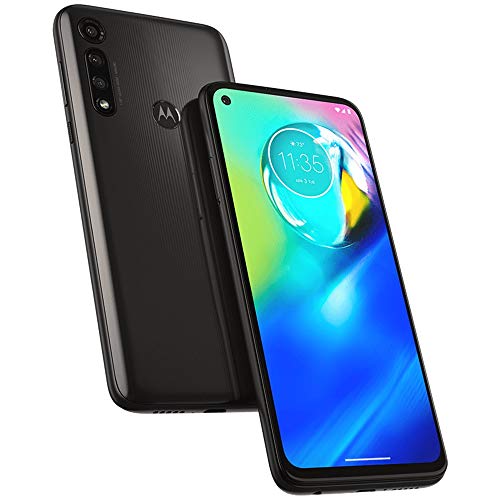
Motorola Moto G Power Unlocked 4/64GB Black

Samsung Galaxy S23 FE 128GB Unlocked Graphite

Huness 26 Ultra Unlocked 16+1TB Black

Google Pixel 9 Unlocked Android Smartphone 128GB Obsidian
Why These Options Stand Out
The Galaxy A17 is a quiet workhorse, the kind of phone you forget on the kitchen counter and pick up later without a second thought. Its 6.7-inch display gives maps, recipes, and video calls plenty of room to breathe, and the 5000 mAh battery has enough headroom for a full day of mixed use plus a long bus commute home.
Hybrid dual SIM (a tray that holds either a second SIM card or a microSD card for extra storage) means you can run two lines for work and personal use, or swap in expandable storage if 256 GB ever feels tight. For shoppers stepping up from an older entry-level phone, the upgrade in screen real estate and battery capacity is what you’ll notice first.
Practical Advantages
- 256 GB built-in gives room for years of photos and offline playlists
- 5000 mAh battery handles a full day of navigation and streaming
- USB Type-C charging means the cable in your drawer just works
- Hybrid dual SIM lets you split work and personal on one device
Things To Consider
- 4G only, so 5G coverage in your area won’t get used
- Charging brick often ships in the outer box, double-check what’s included
Feature Snapshot
Who It Suits Best
Daily carriers who want a no-drama Samsung for maps, messaging, and streaming without paying flagship rates.
Consider Something Else When
You’re locked in T-Mobile and want 5G speeds, where the Poco M7 Pro 5G is a more capable fit.
Scrolling on the Poco M7 Pro feels noticeably smoother than on most budget phones, and that’s down to the 120 Hz refresh rate (the screen redraws 120 times per second instead of the usual 60). Paired with a 6.67-inch panel, it’s the kind of phone that makes social feeds and casual games feel like a tier above the price.
The 50 MP main camera uses OIS (optical image stabilization), which physically steadies the lens to reduce blur in low light. It runs on T-Mobile, Mint, and Tello networks in the US, plus any GSM carrier abroad (the global standard used by most international SIMs). It’s a strong match for shoppers who care more about the screen than fancy camera tricks.
What Works In Its Favor
- 120 Hz display makes scrolling feel premium
- 12 GB RAM keeps app-switching snappy
- OIS helps low-light photos come out sharper
- 5G-ready on supported T-Mobile-based networks
Worth Noting
- Won’t activate on Verizon or AT&T in the US
- Needs an already-active SIM to set up, no activation help built in
Right Fit For
T-Mobile, Mint, or Tello subscribers who stream and scroll heavily and want a flagship-smooth screen.
Look Elsewhere When
You’re on Verizon or AT&T, where the Motorola Moto G35 5G plays more nicely with those networks.
The Pixel 9a earns its place by leaning into what Pixel phones do best: smart photo editing and clean, bloat-free Android. Google’s Gemini AI assistant is baked in, ready to summarize a long article, draft a quick reply, or pull context from whatever’s on your screen.
Camera quality on the A-series has historically punched above its tier, and the Pixel 9a keeps that tradition going with AI-driven editing tools that turn a casual snapshot into something worth sharing. It ships unlocked (no carrier lock, so you choose your service) and supports all-day battery life, which matters on weekends when you forget the charger at home.
What Helps Most
- AI photo editing rescues casual shots in seconds
- Clean Android with timely updates direct from Google
- Unlocked across major US carriers for easy switching
- All-day battery for users who forget to charge
Honest Caveats
- 128 GB base storage may feel tight for heavy video shooters
- Charging speeds are conservative compared to some rivals
Quick Facts
Who Should Grab It
Anyone who takes a lot of phone photos and wants Google’s AI cleanup tools without paying flagship prices.
Swap It Out When
Raw battery endurance matters more than camera smarts, where the Motorola Moto G Power runs noticeably longer per charge.
The Moto G35 5G is the kind of phone that handles a household without drama. Its 6.72-inch FHD+ display (Full HD resolution, sharper than basic HD) gives kids’ shows and group video calls enough room to feel comfortable, and the 5000 mAh battery means it won’t quit halfway through a Saturday.
256 GB of storage and 8 GB of RAM (the phone’s working memory for running apps) keep things smooth when multiple apps are open at once. For shared use among family members, the unlocked design and broad carrier support make it easy to hand off or pass around without compatibility headaches.
Practical Pluses
- Large FHD+ display suits shared family viewing
- 256 GB storage handles multiple users’ photo libraries
- 5000 mAh battery covers long weekend days
- 50 MP main camera captures everyday moments reliably
Small Caveats
- Sage Green is the listed color option, so choices are limited
- Camera processing trails Pixel phones in tricky lighting
Best Suited To
Families or roommates sharing one device who want a big screen and long battery without complicated setup.
A Better Fit Elsewhere
Mobile photographers should look at the Google Pixel 9a, which produces noticeably sharper shots in mixed lighting.
Battery anxiety basically disappears with the Moto G Power. The 5000 mAh cell is rated to stretch across up to three days of light use, which makes it a favorite for weekend trips, long shifts, or anyone who just plain forgets to plug in overnight.
It’s an older release, and that shows in the 4/64 GB configuration and 16 MP camera, which sit firmly in entry-level territory. For shoppers who don’t game heavily or shoot a lot of video, though, the trade-off buys dependable everyday function at a very approachable price point.
Key Advantages
- Up to 3 days of battery life under light use
- Unlocked for use across most US carriers
- Simple, low-clutter software experience
- Affordable entry point for basic smartphone needs
Points To Keep In Mind
- 4 GB RAM struggles with heavy multitasking
- 64 GB storage fills up fast with photos and video
- Older processor means longer waits on demanding apps
Key Product Details
Made For
Light users, older relatives, or anyone who values battery life over flashy specs.
Not Your Match When
You shoot a lot of photos or run demanding apps, where the Samsung Galaxy S23 FE offers a clear step up.
The “FE” stands for Fan Edition, and Samsung positions it as the bridge between its budget A-series and flagship S-line. The S23 FE delivers a more refined feel in the hand than most picks here, with Gorilla Glass on the display for scratch resistance and a 50 MP main camera that holds its own in mixed lighting.
Galaxy AI features come baked in: real-time call translation, photo object removal, and note summarization. It runs as an unlocked US version, so it works across major carriers without forcing you into a specific plan. For shoppers who want premium polish without flagship pricing, this is the natural middle ground.
Positive Takeaways
- Refined design with Gorilla Glass durability
- Galaxy AI tools add real day-to-day utility
- Strong 50 MP camera performs well in mixed light
- Unlocked for flexible carrier choice
Trade Offs
- Pricier than other entries on this list
- Battery life is solid, not class-leading
Whose Shelf It Belongs On
Style-conscious shoppers who want near-flagship polish and are willing to pay a little extra for it.
Reach For A Different Pick When
Raw battery life matters most, where the Motorola Moto G Power runs for days on a single charge.
The Huness 26 Ultra goes big on everything: 1 TB of storage, a built-in stylus, a 7000 mAh battery, and a 6.99-inch display. It’s pitched at shoppers who want features usually reserved for flagship Notes, without paying flagship prices.
On paper, that spec sheet is generous. In practice, the brand is less established, so long-term software support and repair availability are less predictable than Samsung or Google. Compatibility is also worth checking: the phone doesn’t work with Cricket, Metro, Straight Talk, Mint, or Spectrum in the US.
Real-World Strengths
- 1 TB storage holds entire photo and video libraries
- Built-in stylus aids note-taking and sketching
- 7000 mAh battery outlasts most phones in this list
- Face ID and fingerprint unlock for flexible security
Points To Note
- Not compatible with Cricket, Metro, Straight Talk, Mint, or Spectrum
- Brand support and software updates are less certain long-term
- Large size is harder to manage one-handed
Who Will Love This
Note-takers and heavy media users on compatible carriers who want maximum specs per dollar.
Skip It When
You’re on a prepaid carrier like Cricket or Metro, where the Motorola Moto G35 5G is a safer match.
The standard Pixel 9 sits a tier above the 9a, and you can feel it. The 6.3-inch Actua display (a Google-branded panel tuned for vivid color and high brightness) is sharper and brighter than what most budget phones offer, and the dual-camera setup adds a 48 MP ultrawide lens for those wide landscape or group shots.
Gemini AI integration is deeper here, with features like Add Me (which merges two group photos so no one’s left out) and Magic Editor for reframing and reimagining photos after the fact. Compared with the Samsung Galaxy A17 earlier in this list, the Pixel 9 trades expandable storage for a more refined software experience and faster long-term updates.
Strong Points
- Bright Actua display holds up in direct sunlight
- Advanced dual-camera system with 48 MP ultrawide
- Deep Gemini AI integration for editing and assistance
- Unlocked across Google Fi, Verizon, T-Mobile, AT&T, and more
A Few Limitations
- Pricier than mid-range picks like the Samsung Galaxy A17
- 128 GB base storage isn’t expandable
Perfect Match For
Long-term Android users who want Google’s cleanest software and AI features without paying full flagship rates.
Where Another Pick Suits Better
Budget-tight shoppers should consider the Motorola Moto G Power, which trades polish for a much lower price.
What To Weigh Before Choosing A Budget Cell Phone
Budget phones split into a few clear categories, and matching the right one to your habits saves real money over the life of the device.
Battery And Display Size
Battery capacity, measured in mAh (milliamp hours, where higher numbers mean longer runtime), is the single biggest day-to-day differentiator. Anything around 5000 mAh covers a full day for most people. Phones claiming 7000 mAh stretch into two- to three-day territory for light users. Display size matters too: 6.3 inches feels compact and pocket-friendly, while 6.7 inches and up suits streaming and shared viewing but can be awkward one-handed.
Carrier Compatibility And Unlocked Status
“Unlocked” means the phone isn’t tied to one carrier, so you can switch providers or use prepaid SIMs. Always confirm your carrier’s network type: GSM (used by T-Mobile and most international carriers) versus CDMA (used by some legacy networks), and whether 5G bands match. Phones like the Poco M7 Pro 5G only activate on T-Mobile-based networks in the US, which is fine if that’s your carrier, but a dead end otherwise.
Storage And RAM
Storage determines how many apps, photos, and videos you can keep on the phone. 128 GB works for casual users, 256 GB suits photographers and offline media fans, and 1 TB is overkill for most people unless you record a lot of video. RAM (the phone’s working memory for running apps) affects multitasking: 4 GB is the bare minimum, 8 GB feels smooth, and 12 GB gives headroom for power users.
Camera Realism
Megapixel counts (the resolution of the camera sensor) sound impressive but don’t tell the whole story. Sensor size, OIS (optical image stabilization that steadies the lens for sharper photos), and software processing often matter more, especially in low light. Phones from Google and Samsung typically outperform cheaper brands in tricky lighting, even with similar megapixel counts.
Smart Choices Across This Lineup
Mistakes Worth Dodging
Picking a phone based on camera megapixels alone leads to disappointment. A 50 MP camera with no OIS often takes worse low-light photos than a 12 MP camera with stabilization and good processing. Always read reviews that compare real-world shots, not spec sheets.
Skipping carrier compatibility is another common trap. The Poco M7 Pro 5G and Huness 26 Ultra both have restrictions that matter, and buying without checking your network type can leave you stuck with a paperweight. Confirm bands before you commit.
What The Higher Tier Buys
Spending more on phones like the Samsung Galaxy S23 FE or Google Pixel 9 buys better software support, longer update windows, and stronger low-light photography. You also get premium build materials like Gorilla Glass, which resist scratches and small drops. For shoppers who keep a phone three or more years, that long-term polish usually justifies the higher upfront cost over replacing a cheaper model sooner.


