

Great photos shouldn’t require a four-figure flagship. The current crop of affordable phones packs camera systems that handle golden-hour portraits, dim restaurants, and 4K video clips without the bulk or cost of premium models. The picks below lean on computational photography, optical stabilization, and well-tuned sensors to deliver results that travel well on social feeds and prints alike. You get modern processors, reliable battery life, and clean software alongside the cameras, so nothing else feels stripped down to hit the price. Whether you’re upgrading from an aging handset or moving away from a bulky flagship, this list maps the landscape by what each phone actually delivers, not just what the spec sheet claims.
A Fast Comparison Of The Options

OnePlus 13R 12GB RAM 256GB Storage Dual-SIM Unlocked (Nebula Noir)

Nothing Phone (2) 5G Unlocked 256GB + 12GB RAM (Dark Grey)

Poco M7 Pro 5G 256GB + 12GB 50MP Dual Camera (Purple)

Google Pixel 9a with Gemini 128GB Unlocked (Obsidian)
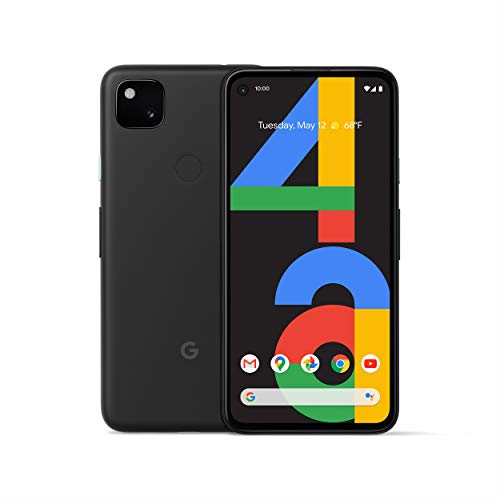
Google Pixel 4a 128GB Unlocked (Just Black)
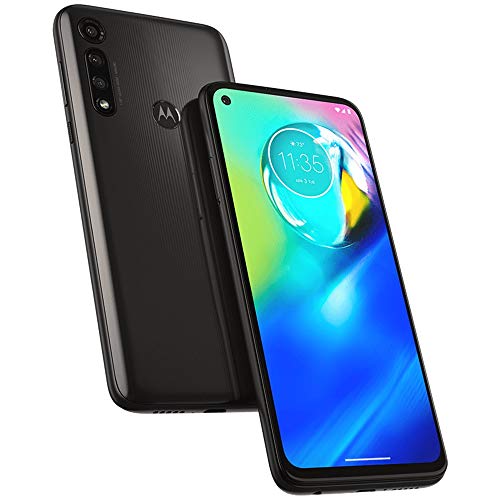
Motorola Moto G Power 4GB/64GB Unlocked 16MP Camera (Black)

Samsung Galaxy S23 FE 128GB Unlocked 50MP Camera (Graphite)

Samsung Galaxy S24 FE 128GB Unlocked 50MP Camera (Graphite)
The Picks, Examined More Closely
The OnePlus 13R lands first because it pairs flagship-tier silicon with a price tag that undercuts most of its rivals. In real terms, that means games stay smooth at high frame rates, video edits don’t choke the timeline, and the camera app opens instantly even while music streams in the background.
For commuters who toggle between maps, music, and group chats, that headroom shows up everywhere. The Nebula Noir finish keeps smudges reasonably tame, and the dual-SIM tray helps frequent travelers run personal and work lines on one device.
A Favorable Mix
- Snapdragon 8 Gen 3 (a top-tier mobile processor from Qualcomm that handles demanding apps with ease) delivers near-flagship speed for gaming and editing.
- 12GB of RAM keeps many apps open at once without sluggish reloads.
- 256GB of storage holds a sizable photo library without forcing early cloud uploads.
- 55W SUPERVOOC charging (OnePlus’s branded fast-charging standard) tops up quickly between meetings.
- Dual-SIM flexibility for managing two numbers on a single handset.
Trade-Offs To Consider
- Camera processing leans toward saturated colors, which some find flattering and others find heavy-handed.
- Unlocked units vary in band support, so checking your carrier’s compatibility before buying pays off.
Key Specs
Built With Power Users In Mind
Power users juggling gaming, video capture, and heavy multitasking benefit most from the 13R’s speed and storage headroom.
Look Elsewhere When
Shoppers who prioritize a more neutral color science and longer software support should look at the Google Pixel 9a instead.
Where most affordable phones chase invisible anonymity, Nothing leans into identity. The Phone (2)’s transparent back panel and segmented Glyph lights turn notifications into a small visual language, useful in meetings where a buzzing phone earns side-eye.
The dark grey colorway keeps the look mature rather than flashy, and the curved pillow-glass back feels premium in hand. Compared with the OnePlus 13R’s all-business energy, this one asks to be noticed.
Where It Excels
- Glyph interface lights up for calls, timers, and app alerts without unlocking the screen.
- 12GB of RAM keeps multitasking fluid during long shooting sessions.
- 256GB of storage swallows RAW files and 4K clips comfortably.
- Clean Nothing OS avoids the bloat (pre-installed apps you don’t want) found on many competitors.
Worth Noting
- The transparent back attracts fingerprints that require regular wiping to stay presentable.
- Camera low-light performance trails the Pixel 9a, particularly in very dim restaurants.
- Carrier certification is narrower than Samsung or Google models in some regions.
Feature Snapshot
Whose Shelf It Belongs On
Style-minded casual shooters who want a phone that looks different from the crowd will appreciate the Glyph-driven experience.
Swap It Out When
Mobile photographers chasing the best possible low-light shots should reach for the Google Pixel 9a instead.
The Poco M7 Pro 5G proves that aggressive pricing doesn’t have to mean compromise on the sensor. Its 50MP main camera uses a Sony module with optical image stabilization (OIS), which physically steadies the lens to reduce blur in dim or shaky conditions.
The 6.67-inch 120Hz display (which refreshes 120 times per second for smoother scrolling) gives a generous canvas for framing shots. Compared with the Nothing Phone (2), the Poco skips design theatrics in favor of practical hardware.
Good Reasons To Consider
- 50MP Sony main sensor with OIS captures detailed handheld shots.
- 6.67-inch 120Hz display makes framing and reviewing shots comfortable.
- 12GB of RAM handles multitasking smoothly for the price tier.
- Hybrid SIM tray accepts a microSD card for expanded storage.
Practical Considerations
- U.S. units only activate on T-Mobile, Mint, or Tello networks, limiting carrier choice.
- Software update window is shorter than Samsung or Google commitments.
- The plastic frame picks up scratches more easily than aluminum-bodied rivals.
Best Suited To
Shoppers on T-Mobile-family carriers who want strong camera hardware without paying flagship prices will find a lot to like.
Consider Something Else When
Anyone needing Verizon or AT&T compatibility should consider the Samsung Galaxy S23 FE, which works more broadly across U.S. networks.
Pixel phones have long been the reference point for affordable Android cameras, and the Pixel 9a keeps that tradition intact. Google’s computational photography pipeline produces balanced exposures and reliable skin tones without requiring any manual fiddling.
The Gemini AI integration adds practical editing tricks like object removal and smart reframing. Compared with the Poco M7 Pro’s hardware-heavy approach, the Pixel relies on software smarts to punch above its sensor size.
Noteworthy Benefits
- Computational photography delivers consistent results across lighting conditions.
- AI photo editing tools let you remove distractions or recompose without third-party apps.
- All-day battery life covers a full day of mixed photo, video, and social use.
- Titan M security chip protects logins and on-device data.
- Clean Android with timely feature drops from Google.
Points To Keep In Mind
- 128GB of storage fills up quickly for users who shoot a lot of 4K video.
- Charging speeds lag behind the OnePlus 13R and Samsung FE models.
Feature Snapshot
The Right Fit
Social-first creators who want reliable photos and AI-assisted edits without learning a pro camera app will appreciate the Pixel 9a’s approach.
A Better Fit Elsewhere
Users who need more storage headroom and faster charging should look at the Samsung Galaxy S24 FE, which doubles down on both.
The Pixel 4a holds up as the simplest entry point on this list. Its 12MP rear camera with Night Sight produces pleasing shots in dim restaurants and evening walks, which matters more for most people than raw megapixel count.
The compact 5.8-inch form factor slips into pockets and smaller hands without strain. For first-time smartphone owners moving up from a basic handset, the uncluttered Pixel experience feels approachable.
What Works In Its Favor
- Night Sight captures clean low-light photos without manual settings.
- Portrait Mode produces natural subject separation for casual headshots.
- Adaptive Battery learns your habits and stretches a charge across a full day.
- Titan M security chip safeguards logins and on-device data.
- Unlocked compatibility with major U.S. carriers keeps setup simple.
Honest Caveats
- Software support has ended, so newer Android features won’t arrive.
- The single rear camera lacks the ultrawide versatility of newer Pixel models.
- Charging speeds are modest by today’s standards.
Who Should Grab It
Light users, parents buying for teens, and anyone wanting a fuss-free camera phone for everyday snapshots will find the 4a easy to live with.
Reach For A Different Pick When
Power users wanting modern AI features and longer software support should pick up the Google Pixel 9a instead.
The Moto G Power earns its name with a 5000mAh battery that stretches across multiple days of light use. For campers, festival-goers, and frequent flyers, that endurance removes a familiar anxiety.
The 16MP main camera handles everyday snapshots competently, though it doesn’t reach the Pixel or Samsung FE tier for low-light work. Compared with the Pixel 4a’s compact frame, this one favors a larger 6.4-inch screen.
The Upside
- 5000mAh battery delivers multi-day endurance for off-grid trips.
- 6.4-inch Full HD+ display makes reviewing photos comfortable.
- Dual stereo speakers improve playback for video clips captured on the road.
- Unlocked design works across major U.S. carriers.
Soft Spots
- 4GB of RAM limits multitasking compared with 12GB rivals on this list.
- 64GB of storage fills quickly without a microSD card expansion plan.
- Low-light camera performance trails the Pixel 9a noticeably.
Quick Facts
Made For
Travelers and field workers who need a phone that keeps running long after the charger stays at home will appreciate the Moto G Power’s stamina.
Where Another Pick Suits Better
Users who prioritize sharper photos and faster performance should consider the OnePlus 13R instead.
The Galaxy S23 FE brings Samsung’s flagship camera know-how into a more attainable shell. The 50MP main sensor captures detailed daylight shots and holds its own in moderately dim spaces.
Galaxy AI adds practical editing assistance, like moving subjects and removing background clutter. For shoppers inside the Samsung ecosystem, the integration with Galaxy Watch and Buds makes the FE a natural fit.
Everyday Wins
- 50MP main camera delivers sharp photos with good dynamic range.
- Galaxy AI editing tools streamline post-shot cleanup.
- Gorilla Glass display resists scratches from daily carry.
- Unlocked compatibility spans major U.S. carriers.
- Samsung Care+ option provides access to authorized repair centers.
A Few Limitations
- 128GB base storage can feel tight without cloud backups.
- Charging speeds are slower than the OnePlus 13R.
Who Will Love This
Samsung loyalists who want flagship-style camera results at a friendlier price will find the S23 FE a comfortable step.
Not Your Match When
Buyers wanting longer software support and the newest AI tools should consider the Samsung Galaxy S24 FE.
The Galaxy S24 FE steps up the display game with a brighter AMOLED panel (a screen tech known for deep blacks and vivid colors), which matters when framing shots in direct sunlight. The 50MP camera carries forward the S23 FE’s strengths while adding newer AI-assisted editing through Photo Assist.
Real-time translation and smarter photo suggestions round out the AI suite. Compared with the S23 FE, this model feels like a more future-proof investment without a dramatic price jump.
What Earns Its Place
- Brighter AMOLED display improves outdoor framing and playback.
- Photo Assist uses AI to suggest framing and cleanup improvements.
- Long battery life supports full-day photo excursions.
- Galaxy AI translation tools help travelers navigate foreign menus and signs.
Small Caveats
- 128GB base storage remains limited for heavy 4K video shooters.
- Premium AI features may require a Samsung account and connectivity.
Technical Highlights
Perfect Match For
Frequent travelers and vloggers who want a bright display, capable camera, and AI travel aids in one package will feel right at home with the S24 FE.
Skip It When
Strict budget shoppers who don’t need the latest AI features should look at the Galaxy S23 FE or the Pixel 9a for similar capability at lower cost.
Buying A Budget Camera Phone Without Regret
Camera specs on affordable phones rarely tell the full story. A 50MP sensor with weak image processing will lose to a 12MP sensor paired with thoughtful software, which is exactly why Google’s Pixel line has long punched above its hardware tier.
Sensor size matters more than megapixel count once you cross 12MP. Larger sensors gather more light, which translates to cleaner low-light shots. Optical image stabilization (OIS) physically steadies the lens, reducing blur in dim restaurants or during handheld video. Without OIS, software stabilization helps, though it can’t fully compensate for slower shutter speeds.
Computational photography has become the great equalizer. Phones like the Pixel 9a lean on multi-frame processing (capturing several exposures in rapid bursts, then merging the best parts) to balance shadows and highlights in a single shot. AI editing tools now remove photobombers, fill in cropped edges, and suggest better framing after the fact.
Storage and battery deserve equal billing. Shooting 4K video chews through gigabytes fast, so 128GB fills up quicker than expected without cloud backup. A larger battery or faster charging becomes essential for travel days when outlets are scarce. Carrier compatibility also matters; some models, like the Poco M7 Pro, restrict U.S. use to specific networks, which can disqualify them entirely for Verizon or AT&T households.
What Separates Mid-Range From Flagship Cameras
Common Shopping Slip Ups
The biggest misstep is chasing megapixel counts without checking sensor quality. A higher number often means smaller individual pixels, which gather less light. Skipping carrier compatibility checks is another frequent trap, especially with unlocked imports. Storage assumptions bite hardest later: people underestimate how quickly 4K video and high-resolution bursts fill internal memory.
Where The Extra Money Goes
Stepping up to flagship-tier phones usually buys three things: larger sensors with better light capture, more refined image processing pipelines, and longer software support windows. For casual shooters, the mid-range delivers enough quality for social sharing and prints. For enthusiasts who want manual controls, RAW capture (unprocessed image files that retain more editing flexibility), and best-in-class night photography, the flagship premium pays off in real, visible ways.
Frequently Asked Questions
Do budget phones take good photos at night?
Several do, particularly those with optical image stabilization and strong computational photography. The Pixel 9a and the Samsung Galaxy S24 FE handle dim restaurants and evening street scenes with confidence, especially when their night modes are enabled.
How much storage do I need for phone photography?
128GB handles casual shooting and short video clips comfortably. Heavy 4K video shooters and people who avoid cloud backups should look at 256GB or higher, or plan on using a microSD card where supported.
Is optical image stabilization worth it?
Yes, for handheld photos and video. OIS physically counteracts small hand movements, which matters most in low light where slower shutter speeds magnify shake. Without OIS, more shots turn out blurry.
Do budget phones get software updates?
Most major brands promise several years of security updates and a shorter window of full Android version upgrades. Google and Samsung lead with the longest commitments, while smaller brands often offer shorter support cycles.
Should I buy unlocked or carrier-locked?
Unlocked phones offer carrier flexibility and easier resale, though some models restrict supported networks. Carrier-locked units sometimes include financing deals but tie you to one provider. Check your carrier’s band list before committing to an unlocked import.
The Takeaway
The right budget camera phone depends on what you shoot most. Pixel phones lead for computational stills, Samsung FE models offer ecosystem polish and AI extras, and OnePlus delivers performance headroom for multitaskers. Think about your network, storage habits, and the lighting you shoot in most often, and let those answers narrow the field quickly.


