

Android phones ship with a capable calculator app, but plenty of everyday tasks still call for a dedicated device. Long accounting sessions tire thumbs. School exams ban phones. Workshops and retail counters need a physical keypad that survives drops and spills. That’s where a standalone calculator earns its keep, and pairing the right one with your Android workflow makes quick work of receipts, homework, or on-the-go math.
A Quick View Of The Lineup

Texas Instruments TI-30XS MultiView School Calculator
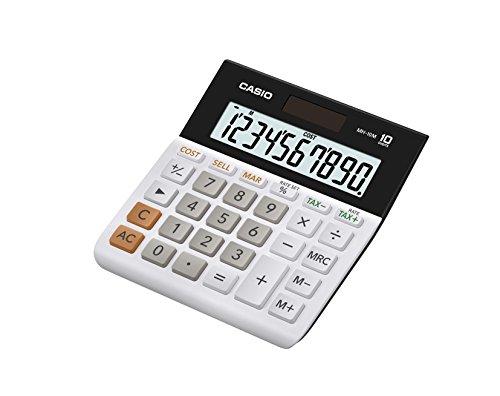
Casio MH-10M Desktop Calculator

NGIFERA Mechanical Keyboard Desktop Calculator
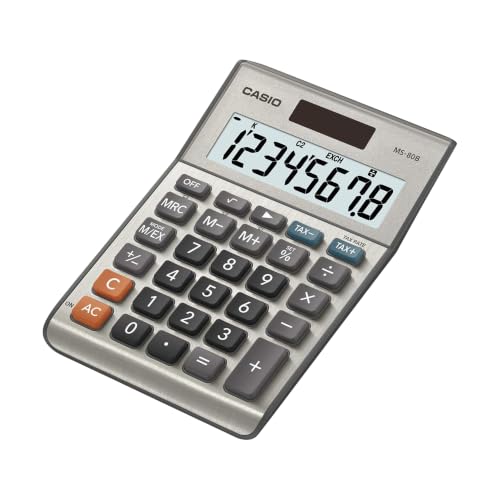
Casio MS-80B Desktop Calculator

CATIGA 12 Digit Desk Calculator CD-2786

CATIGA 12 Digit Desktop Calculator SD-1292

UNIONE Dual Power Handheld Calculator

Empire Desk Calculator Angled Display

Pendency 5-Inch LCD Accounting Calculator OS-6815
A Closer Look At Each Pick
Built for classrooms where phones get banned, the TI-30XS MultiView handles the kind of math your Android calculator app stumbles on. It shows up to four lines at once, so you can compare a fraction alongside its decimal without losing your place. Algebra students prepping for tests will appreciate seeing fractions, square roots, and exponents rendered the way a textbook writes them.
Unlike the desktop picks further down this list, this one runs on solar with battery backup, giving you flexibility on dim desks. It carries a built-in list editor for storing value tables, which is a quiet win for stats homework. For trigonometry, general science, and early engineering coursework, it covers the textbook requirements without overwhelming a beginner.
What Makes Sense
- Four-line screen lets you review a problem and its answer side by side, which feels like working on paper
- Fraction, decimal, and square root conversions happen with a single button press, saving minutes during timed exams
- Equation recall means you can fix a typo without retyping the whole problem, a real relief during long sessions
- Pretty Print rendering keeps math notation readable, useful when checking your work against a textbook
- Statistics and scientific functions cover most high school and intro college curricula in one device
Things To Consider
- No graphing or CAS (computer algebra system) features, so calculus and engineering majors will outgrow it
- The button layout leans dense, which can frustrate first-timers used to phone apps
Built With In Mind
High school and early college students in algebra, geometry, trigonometry, and introductory statistics courses.
Swap It Out When
The Pendency OS-6815 makes more sense for bookkeepers and accountants handling long ledger entries all day.
Storefront owners and small shopkeepers tend to want big, readable numbers, and the Casio MH-10M leans into that. Its ten-digit display is wider than most basic calculators, which matters when a customer is watching over the counter. Tax and cost/sell/margin keys handle the everyday math that comes with running a register.
The build is the classic Casio mini-desktop format, compact enough for a cramped checkout area. Solar power keeps it running under most lighting, with a battery backup for dim corners. Compared with the TI-30XS from earlier, this one is purely commercial, not scientific, so it’s not built for schoolwork.
Everyday Wins
- Ten-digit oversized screen reduces misreads during fast counter transactions
- Dedicated tax, cost, sell, and margin keys cut keystrokes on common retail math
- Solar plus battery backup means it keeps working through short power swaps
Room For Improvement
- No scientific functions, so it can’t step in for school math
- The compact key size may feel cramped for users with larger hands
- Plastic body is durable but not designed for rough industrial environments
Who It Suits Best
Small business owners, retail counter staff, and anyone running quick margin or tax math at a checkout.
Skip It When
The CATIGA CD-2786 suits shared home and office desks better where multiple people tap away at varied tasks.
The NGIFERA lands in an unusual spot: a twelve-digit desktop calculator with blue mechanical switches and removable keycaps, the kind of typing feel you usually only see on gaming keyboards. Typists who spend hours at a desk may find the tactile click more satisfying than the mushy rubber pads on most calculators. It’s a quirky pick that doubles as desk decor.
The 12-digit HD display with a percent key covers basic plus, minus, multiply, divide, and percentage work. Keycap removal makes cleaning easy, a practical perk if you snack at your desk. Compared with the CATIGA picks later in this list, this one trades plain utility for personality.
Points In Its Favor
- Blue mechanical switches give real tactile feedback, which reduces fat-finger errors during long sessions
- Removable keycaps mean you can pop them off and wipe underneath, handy for crumb-prone desks
- Twelve-digit display with percent key handles standard office math without compromise
Honest Caveats
- Mechanical switches are louder than membrane keyboards, which may bother shared offices
- Fewer scientific and business functions than the Casio MH-10M or TI-30XS
Made For
Mechanical keyboard fans and home office workers who want a calculator with real keypress feedback.
Consider Something Else When
The Casio MS-80B is the smarter pick for users who need tax and currency conversion keys built in.
The Casio MS-80B has been a quiet fixture on home and small office desks for years, and for good reason. Tax keys and currency conversion shortcuts make it useful beyond simple addition, especially for shoppers comparing prices abroad or freelancers tracking expenses in mixed currencies. The silver-metallic finish looks tidy on a desk next to a laptop.
Its eight-digit display is shorter than the twelve-digit models elsewhere in this list, which can feel limiting on big numbers. Solar Plus power with a battery backup keeps things working even in low light. For users who don’t need twelve digits but do want reliable everyday math, this one delivers.
What It Does Well
- Dedicated tax and currency keys save steps on pricing and travel expense math
- Solar Plus power keeps running in dim lighting, with battery backup for emergencies
- Mark-up percent and independent memory help with quick profit calculations
Things To Consider
- Eight-digit display is shorter than competitors, so large totals may not always fit
- No scientific functions, which limits school or engineering usefulness
Key Product Details
Best Suited To
Home users, personal finance planners, and small shop owners handling tax and currency conversions.
Look Elsewhere When
The Unione handheld model makes more sense for travelers and field workers who need to crunch numbers on the move.
Shared family desks and busy offices tend to wear out cheap calculators, which is where the CATIGA CD-2786 steps in. The oversized LCD screen is readable from across the room, a small thing that helps when multiple people lean over to check a number. The big, responsive buttons keep typos down to almost zero.
Four-function math, plus a percent key, covers the standard work that comes with bills, budgets, and homework help. Dual solar and battery power means the screen stays lit under most conditions. Compared with the Casio MS-80B, this one trades tax and currency shortcuts for a friendlier button layout.
Real Benefits
- Large LCD screen with bold digits makes totals readable from a standing position
- Oversized buttons register presses quickly, which speeds up rapid entry
- Dual power (solar with battery backup) keeps the calculator working across lighting conditions
- Twelve-digit capacity handles long receipts and tax-inclusive totals
Worth Bearing In Mind
- No tax or currency shortcut buttons for quick business math
- Plastic chassis can scratch under heavy daily use
Perfect Match For
Shared desks in homes, dorms, and small offices where several people use the same calculator.
A Better Fit Elsewhere
The Empire desk model with its angled display is a smarter choice for long sessions where posture and viewing angle matter.
Available in cheerful colors like green, the CATIGA SD-1292 brings a bit of personality to a category that mostly ships in beige or black. Round, oversized buttons feel approachable, which makes it a comfortable pick for younger students who may be intimidated by dense key layouts. The lightweight build slips into a backpack without complaint.
Functionality stays simple: four basic operations, percent, and twelve-digit capacity. Solar and battery dual power keeps it running through long homework nights. Compared with the larger CATIGA CD-2786, this one trades a fraction of screen size for a more playful look and a friendlier grip.
The Value In It
- Bright color options make it easy to spot in a cluttered backpack
- Large round buttons reduce mis-hits for younger or newer users
- Lightweight chassis travels well between home, school, and library sessions
Practical Considerations
- Only basic four-function math, no tax or business keys
- Plastic finish shows scuffs faster than darker or metallic alternatives
- Display is smaller than the larger CATIGA desk model
Right Fit For
Students, younger learners, and casual home users who want approachable math without complicated buttons.
Reach For A Different Pick When
The Texas Instruments TI-30XS is the better choice for serious math and science coursework at the high school or college level.
For people who do math away from a desk, the UNIONE straddles handheld and desktop formats. The twelve-digit display stays readable even when you’re holding it at an angle, which is rare in this size class. Blue is a popular color option, though other shades tend to surface as well.
Dual power, meaning solar plus a battery backup, keeps it working in cafés, client sites, and field offices. The plastic shell is light enough to throw in a bag without weighing you down. Compared with the CATIGA SD-1292, this one leans toward business environments rather than student desks.
What Pays Off
- Twelve-digit capacity with large numbers, useful for sales totals on the move
- Bright LCD cuts glare in outdoor and brightly lit settings
- Handheld-friendly size fits in a coat pocket or laptop sleeve
Soft Spots
- Standard function set, so tax and currency conversions require manual entry
- Plastic shell can crack under heavy drops
Feature Snapshot
Whose Shelf It Belongs On
Mobile professionals, traveling salespeople, and high school students who need math outside a fixed desk.
Where Another Pick Suits Better
The CATIGA CD-2786 stays put on a busy shared desk better than a handheld-hybrid that gets carted around.
Long sessions at a desk reward an ergonomic edge, and the Empire desk calculator delivers one through its 30-degree tilted display. Numbers face you directly rather than forcing you to hunch over a flat screen. Raised twelve digits and large key buttons keep entry comfortable for users who spend hours tallying receipts or running budgets.
Solar and battery dual power keeps it alive in mixed lighting, and the basic four-function math covers standard office needs. The included battery saves a trip to the store on day one. Compared with the flatter CATIGA CD-2786, this one trades pure simplicity for a more ergonomic viewing angle.
Strengths Worth Knowing
- Angled 30-degree display reduces neck strain during long sessions
- Large raised keys help users with vision or dexterity challenges
- Solar plus battery power keeps it working in any lighting
Points To Keep In Mind
- No tax or currency conversion keys for quick business math
- Angled body takes slightly more desk depth than flat calculators
Who Should Grab It
Home office workers, students, and professionals who log long hours at a desk and care about viewing posture.
Another Choice May Suit
The Pendency OS-6815 offers a much larger five-inch display for accountants and bookkeepers who want maximum readability.
Bookkeepers and accountants tend to want one thing above all: a screen they can read without squinting. The Pendency OS-6815 answers that with a five-inch LCD, noticeably larger than the standard desktop calculators in this list. The tilted display faces you directly, which matters when you’re reconciling a long ledger entry.
Giant response buttons are spaced out to prevent accidental double-presses during rapid entry. Solar and battery power keep it going through long workdays. Compared with the Empire angled model, this one pushes the same ergonomic concept further with extra screen real estate.
Practical Advantages
- Five-inch LCD cuts eye fatigue during multi-hour accounting sessions
- Spaced-out giant buttons reduce mis-entry on rapid number crunching
- Tilted screen matches natural viewing angles, supporting better posture
Trade Offs
- Large footprint demands a generous desk area
- Heavier than compact options, less convenient for transport
- No dedicated tax or currency keys for quick conversion work
The Right Fit
Accountants, bookkeepers, and small business owners who run daily ledger math and need a screen that doesn’t strain the eyes.
Not Your Match When
The UNIONE handheld model is the smarter grab for traveling consultants who need math on the road rather than at a fixed desk.
What Matters Most Before Choosing Calculators For Android
Display Size and Digit Count
The single biggest difference between models in this list comes down to the screen. Eight-digit displays cover most everyday totals, but once you start working with tax-inclusive figures or multi-currency math, twelve-digit capacity saves you from re-entering numbers. A tilted display adds comfort during long sessions, while a flat one is easier to slide into a drawer.
Power Source and Reliability
Solar power keeps things simple in well-lit offices, but battery backup matters for dim corners, field sites, and overnight homework. Most picks here include both, so you’re rarely caught without a working screen. Mechanical keys, like those on the NGIFERA, can outlast membrane switches but introduce noise that some shared spaces don’t appreciate.
Function Set and Use Case
Scientific functions are non-negotiable for math and science students, while tax and currency keys matter for small business owners. Basic four-function calculators handle bills and budgets just fine. Match the function set to your daily workload rather than chasing the longest feature list, and the calculator will feel like a tool rather than a chore.
Build Quality and Ergonomics
Plastic shells are standard in this category, but key size, button responsiveness, and screen tilt vary widely. Raised keys help users with dexterity challenges, while an angled screen reduces neck strain during multi-hour sessions. Travelers benefit from compact or handheld formats, while desk-bound workers can prioritize screen size over portability.
Key Considerations Across These Picks
Common Shopping Slip Ups
A surprisingly common mistake is buying a scientific calculator for a cashier’s counter or a basic desktop model for an algebra class. Match the calculator to the actual workload. Another trap is assuming more digits equals better performance: an eight-digit display handles most everyday math, and paying extra for twelve digits you never use is wasted money.
What The Higher Tier Buys
Premium models in this category tend to invest in screen size, ergonomic tilt, and mechanical keys. The Pendency OS-6815 and Empire angled model demonstrate that spend: longer viewing comfort, faster entry, and reduced eye fatigue. For users logging hours at a desk, that ergonomic edge earns its keep. For casual or occasional use, a basic CATIGA or Casio covers the job without the premium.
Frequently Asked Questions
Can a physical calculator work alongside an Android phone calculator app?
Yes, many people use both. The Android app is great for quick math on the go, while a dedicated calculator handles long sessions, exam settings, and tasks where phones aren’t allowed, like standardized tests and some retail counters.
Do solar calculators need batteries at all?
Most solar models include a small battery backup for dim lighting. The battery keeps memory and display alive when solar cells don’t get enough light, so it’s worth checking that the model you pick includes one.
Are mechanical key calculators durable enough for daily use?
Mechanical switches, like those on the NGIFERA, are generally durable and rated for long lifespans. They feel different from membrane keys, which is a matter of preference, but they’re well-suited to heavy daily typing once you adjust to the sound and feel.
How many digits do most users really need?
Eight digits handle everyday totals like groceries, utility bills, and small receipts. Twelve digits become useful for tax-inclusive figures, multi-currency math, and accounting work where cents stack up into long numbers.
Is a tilted display worth choosing over a flat one?
Tilted displays, like the Empire and Pendency models, reduce neck strain during long sessions. Flat displays save desk depth and slide into drawers. For desk-bound work over an hour at a time, a tilted screen is a noticeable comfort upgrade.
Closing Remarks
The right calculator depends on where and how you do math. Students gravitate toward the TI-30XS for school, while shop owners reach for the Casio MH-10M at the counter. Home desks do well with the CATIGA CD-2786, and accountants land on the Pendency OS-6815 for its oversized screen. Pair the format to your daily workflow, and the device disappears into the background, which is exactly what a tool should do.


