

Switching carriers without juggling tiny plastic cards has reshaped how people shop for new phones, especially when you want to keep costs in check. Travelers, students, and anyone tired of long carrier contracts are now hunting for affordable handsets that handle modern SIM setups gracefully. The trick is finding a phone that plays nicely with global networks, holds up under daily use, and doesn’t drain your wallet. This roundup walks through eight solid options that meet those marks, covering everything from gaming-leaning powerhouses to slim international models designed for travel.
The Main Contenders
Xiaomi Poco X7 PRO 5G + 4G LTE Dual Sim Unlocked 512GB + 12GB

realme 8 Dual-SIM 128GB ROM + 8GB RAM Unlocked 4G/LTE (Cyber Silver)

OnePlus 15R Dual-SIM 512GB ROM + 12GB RAM Unlocked 5G (Charcoal Black)
OnePlus 15R Dual-SIM 256GB ROM + 12GB RAM Unlocked 5G (Charcoal Black)

XIAOMI Poco F7 Ai 5G Dual Sim Unlocked 512GB + 12GB (White)

Xiaomi Poco X7 PRO 5G + 4G LTE Dual Sim Unlocked 256GB + 8GB

XIAOMI Poco X8 PRO 5G Ai Dual Sim Unlocked 512GB + 8GB (Black)
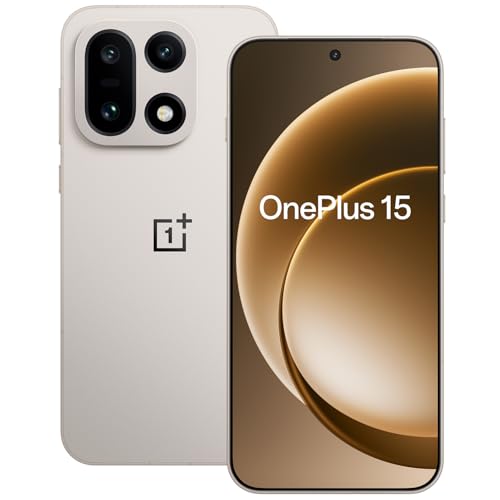
OnePlus 15 Dual-SIM 512GB ROM + 16GB RAM Unlocked 5G (Sand Storm)
Meet The Standout Selections
Storing a full library of apps, games, and offline video takes real room, which is where the Poco X7 PRO’s 512GB configuration flexes hardest. Pair that storage with 12GB of RAM, and you’ve got a phone that holds its own against pricier flagships when you’re juggling social apps, mobile games, and a streaming session at the same time.
Buyers in the US will find this handset tuned for T-Mobile, Mint, and Tello networks, and outside North America it accepts any GSM carrier SIM (the global standard for mobile networks). The dual SIM tray is genuinely useful for separating work and personal lines, or for swapping in a local data plan when you land abroad.
What Earns Its Place
- 512GB of built-in storage swallows huge game installs and 4K video without forcing you into cloud subscriptions.
- 12GB RAM keeps multitasking snappy when you’re bouncing between chat apps, browsers, and games.
- The 6.67-inch display gives mobile games and video plenty of room to breathe.
- NFC (near-field communication, the tech behind tap-to-pay) support lets you leave the wallet at home for contactless purchases.
- Dual SIM flexibility means business and personal numbers can share one device cleanly.
Points To Note
- US shoppers are limited to T-Mobile-family carriers, so Verizon and AT&T subscribers need to look elsewhere on this list.
- There’s no microSD slot for expandable storage, so picking your capacity tier upfront matters.
- Owners commonly report that the glossy back picks up fingerprints and benefits from a case for daily grip.
Feature Snapshot
Made For
Mobile gamers and power users who want flagship storage without paying flagship prices.
Consider Something Else When
Anyone locked to Verizon or AT&T should look at the realme 8 instead, since it leans into broader international GSM coverage.
Travelers chasing a no-frills handset that handles foreign SIM cards without drama will find a quiet ally in the realme 8. It’s an international model, factory unlocked, and explicitly GSM-only, which makes it a solid companion for short trips through Europe, Asia, and other regions where GSM carriers dominate.
The 128GB of internal storage paired with 8GB of RAM handles daily social apps and navigation tools fine, though heavy multitaskers streaming and gaming simultaneously may notice the limits. For someone who wants a second phone for travel or a starter device, it covers the essentials without excess.
What Pays Off
- Dual-SIM tray holds two active lines, perfect for keeping your home number and a travel data plan live together.
- 128GB of storage leaves room for offline maps and travel photos without leaning on the cloud.
- Factory unlocked status means no carrier bloatware slowing the software.
- Cyber Silver finish resists visible smudges better than darker glossy bodies.
Points To Keep In Mind
- No CDMA support rules out Verizon, Sprint, and US Cellular in the US, so this is primarily a GSM-network pick.
- 4G/LTE only, no 5G, which may feel dated for shoppers planning to keep the phone for years.
- Owners commonly mention the included charger feels basic, so a quality third-party brick is a sensible add-on.
Right Fit For
International travelers and frequent flyers who want a lightweight unlocked companion for short trips.
Look Elsewhere When
Anyone chasing 5G speeds should pivot to the OnePlus 15R, which delivers modern network performance on a similar GSM-unlocked format.
Power users eyeing flagship-grade silicon at a non-flagship price get a strong argument with the OnePlus 15R. The Snapdragon 8 Gen 5 chipset (a top-tier mobile processor) on a 3nm architecture handles heavy apps, console-grade games, and on-device AI tasks without breaking a sweat, which is rare in this price tier.
The 6.83-inch AMOLED display (active-matrix organic LED, known for deep blacks and vibrant color) hits a sharp 1272×2800 resolution, making everything from spreadsheets to streamed shows look genuinely crisp. For shoppers comparing this against the Poco X7 PRO above, the OnePlus trades a bit of battery friendliness for a meaningful jump in raw performance and screen quality.
Advantages To Know
- Snapdragon 8 Gen 5 silicon delivers flagship-class performance that ages well over a typical three-year ownership window.
- 6.83-inch AMOLED panel produces rich contrast for movies, photos, and games.
- 50MP main camera with optical image stabilization (a hardware system that steadies the lens, unlike software-only stabilization) helps low-light shots stay sharp.
- 512GB storage and 12GB RAM handle multitasking and large media libraries comfortably.
- OxygenOS 16 on Android 16 brings a clean, near-stock interface with minimal bloat.
Trade Offs To Consider
- GSM-only configuration excludes Verizon, Sprint, and US Cellular networks.
- No microSD slot means picking your storage tier carefully at purchase.
- The 213g weight may feel substantial during long calls or pocketed commutes.
Core Details
Best Suited To
Power users and mobile professionals who push their phones hard and want silicon that won’t feel sluggish in year three.
Skip It When
Budget-focused shoppers should consider the OnePlus 15R 256GB variant instead, which trims storage for a noticeably friendlier price.
Not everyone needs half a terabytes of storage sitting empty, and that’s where the 256GB OnePlus 15R variant earns its place. You keep the same Snapdragon 8 Gen 5 silicon, the same vibrant AMOLED display, and the same clean OxygenOS experience as the 512GB sibling above, just with a trimmer storage tier that fits the way most people actually use their phones.
Casual photo takers, social media regulars, and folks who stream rather than download will rarely feel pinched by 256GB. The trade-off shows up only if you hoard massive offline game libraries or shoot hours of 4K video regularly.
A Few Strong Suits
- Same flagship Snapdragon 8 Gen 5 chip as the 512GB model, so performance doesn’t take a hit.
- 256GB hits the sweet spot for users who don’t hoard massive media files locally.
- Charcoal Black finish hides minor scuffs and smudges better than lighter colorways.
Honest Caveats
- GSM-only restriction still rules out US CDMA carriers like Verizon.
- Half the storage of its sibling means heavy gamers and videographers may outgrow it faster.
Who It Suits Best
Everyday users who want flagship feel and speed without paying for storage they’ll never fill.
A Better Fit Elsewhere
Hardcore mobile gamers shooting for maximum install capacity should pivot back to the OnePlus 15R 512GB variant reviewed earlier.
Gaming on the go benefits from a generous canvas, and the Poco F7’s 6.83-inch AMOLED panel delivers exactly that. The 1.5K resolution lands between standard Full HD and full Quad HD, which gives games and video a noticeably sharper look without the heavy battery drain that pure QHD displays cause.
US shoppers are pointed toward T-Mobile-family carriers again, just like the Poco X7 PRO earlier, but the F7 earns its slot through the upgraded camera system. The 50MP Sony sensor (Sony’s premium image sensor line, known for strong low-light capture) produces cleaner shots than typical budget phone cameras, which makes this a stronger all-rounder than its gaming tag suggests.
Real-World Strengths
- 6.83-inch 1.5K AMOLED panel makes competitive mobile games easier to read at a glance.
- 512GB storage holds dozens of large game titles without forcing uninstalls.
- 50MP Sony main camera outperforms most budget-tier shooters in mixed indoor lighting.
- NFC support enables contactless payments alongside your gaming sessions.
Things To Consider
- Same US network restriction as other Poco models: T-Mobile, Mint, and Tello only.
- The White finish shows dust around the camera bump more than darker colors do.
- Owners commonly find the pre-applied screen protector picks up scratches quickly, so a tempered glass upgrade is a smart add-on.
Quick Facts
Perfect Match For
Mobile gamers and streamers who want a generous display, strong storage, and a camera that punches above its weight.
Swap It Out When
T-Mobile isn’t your carrier, in which case the OnePlus 15R offers a similar storage tier with broader GSM compatibility.
Sometimes the smartest move is choosing the trimmer configuration of a phone you already trust, which is exactly the lane the 256GB Poco X7 PRO occupies. You get the same dual-SIM flexibility, the same 6.67-inch display size, and the same T-Mobile-family US compatibility as its 512GB sibling reviewed first, but with storage and RAM trimmed to match lighter everyday habits.
For someone who mostly streams music, uses cloud photo backup, and keeps a small handful of games installed, 256GB and 8GB of RAM feel comfortable rather than cramped. It also lands as the lighter cost option of the pair, which matters when every dollar counts.
Everyday Perks
- Same trusted Poco X7 PRO chassis and display at a friendlier price point.
- 256GB covers typical social, streaming, and casual gaming needs without forcing constant cleanup.
- 8GB RAM handles everyday multitasking smoothly for users who don’t push heavy apps.
Worth Bearing In Mind
- Same US network restriction applies: T-Mobile-family carriers only.
- 8GB RAM may feel tight in two to three years as apps grow heavier.
- No expandable storage, so plan your media habits before committing.
Who Will Love This
Light-to-moderate users who want Poco X7 PRO build quality without paying for storage they’ll underuse.
Not Your Match When
Power users should step up to the Poco X7 PRO 512GB variant reviewed earlier for more breathing room.
The newest entry in the Poco lineup brings broader 5G band coverage than its predecessors, which matters more than spec sheets suggest for international travelers. Where the X7 PRO and F7 list a solid but limited band set, the X8 PRO adds support for additional 5G SA and NSA bands (the two architectural flavors carriers use to deliver 5G), improving the odds of finding a fast signal in less common travel destinations.
The slightly smaller 6.59-inch display makes this an easier pocket companion than the F7 above, and the 512GB storage tier still leaves room for travel photos, offline maps, and downloaded shows for long flights.
The Value In It
- Broadest 5G band support of the Poco lineup, including extra SA and NSA bands for international use.
- 512GB storage gives travel-heavy users room for offline maps, shows, and photos.
- 6.59-inch display lands in a comfortable one-hand-use size for many shoppers.
- NFC support covers tap-to-pay needs at home and abroad.
Small Caveats
- 8GB RAM is lighter than some siblings, so heavy multitaskers should set realistic expectations.
- US network compatibility remains limited to T-Mobile-family carriers.
- As a newer model, third-party case availability may be slimmer than older Poco generations at launch.
Right Fit For
Frequent international travelers who want maximum 5G band flexibility without stepping up to flagship pricing.
Where A Sibling Pick Shines
Gamers wanting a larger display should lean toward the Poco F7, which pairs a bigger 6.83-inch screen with a Sony camera sensor.
Photography enthusiasts shopping in this category usually have to settle for “good enough” cameras, which is where the OnePlus 15 makes its strongest case. The triple-lens rear system adds a 50MP periscope telephoto with 3.5x optical zoom (a folded-lens design that achieves zoom without digital cropping, preserving detail at distance), opening up framing options the other phones in this roundup can’t match.
The Snapdragon 8 Elite Gen 5 chip and 16GB of RAM push this firmly into flagship performance territory, while the LTPO AMOLED display (a panel type that dynamically adjusts refresh rate to save power) keeps the screen experience smooth without draining battery needlessly. Compared to the 15R reviewed earlier, this is the upgrade path for shoppers who care about camera versatility above all else.
Useful Highlights
- Triple rear camera with 3.5x optical periscope zoom unlocks creative framing other picks can’t match.
- 16GB RAM future-proofs heavy multitasking for years of app updates.
- Snapdragon 8 Elite Gen 5 chip is the top-tier variant, ideal for gaming and AI tasks.
- Sand Storm colorway offers a refined, understated look that hides smudges.
Factors To Consider
- GSM-only restriction still excludes Verizon, Sprint, and US Cellular networks.
- The 211g weight lands on the heavier side for long calls.
- Premium positioning means the price gap over the 15R is real, so casual users may not feel the camera benefits.
Feature Snapshot
Whose Shelf It Belongs On
Photography enthusiasts and content creators who want flagship camera versatility without flagship-tier pricing.
Consider Something Else When
Shoppers who don’t shoot telephoto or ultrawide often should save money with the OnePlus 15R 256GB variant reviewed above.
What To Weigh Before Picking Your Next Phone
Choosing an affordable handset that plays nicely with eSIM setups comes down to a handful of attributes that matter more than raw spec sheets suggest. Network compatibility is the first filter: GSM-only phones work with T-Mobile-family carriers in the US and most international carriers, but won’t connect to Verizon or AT&T’s older CDMA networks. Shoppers tied to specific US carriers should confirm band support before committing.
Storage tiers deserve honest thought too. 128GB covers light users, 256GB fits most everyday habits, and 512GB matters if you hoard games, shoot lots of video, or travel without reliable cloud access. RAM (random access memory, which affects how many apps run smoothly at once) follows a similar ladder: 8GB handles basics, 12GB covers multitasking, and 16GB future-proofs against heavier future apps.
Dual SIM and eSIM Considerations
Most phones in this roundup use a dual physical SIM tray rather than embedded eSIM, but international travelers often prefer eSIM for quick carrier swaps abroad. Some newer phones support both a physical SIM and an eSIM, which is worth looking for if you want maximum flexibility. A dual physical SIM tray still works well for separating work and personal lines or for keeping a home number active while using a local data SIM abroad.
Display Size and Daily Comfort
Bigger screens around 6.8 inches feel immersive for gaming and video, but pocket and one-hand comfort suffer. The 6.59-inch Poco X8 PRO and 6.67-inch Poco X7 PRO land in a middle zone that suits most hands, while the 6.78-inch OnePlus 15 and 6.83-inch OnePlus 15R lean toward the larger end. Holding each in a store before buying is the honest way to find your comfort zone.
Camera Realism
Megapixel counts (MP, the number of individual light-capturing points on a sensor) get plenty of marketing attention, but sensor quality and image processing matter more for real-world photo quality. The OnePlus 15 stands out here with its triple-lens system, while the Poco F7’s Sony sensor punches above its budget-tier class. Most shoppers will find the mid-range options perfectly capable for social sharing and travel memories.
Smart Angles Before You Commit
Where Shoppers Go Wrong
Jumping on the cheapest configuration without thinking through storage needs is a classic regret. Buying a 128GB phone and filling it within six months means constant cleanup or expensive cloud subscriptions. The other common slip-up is assuming all unlocked phones work with every carrier. US shoppers on Verizon or AT&T need to confirm network compatibility specifically, since GSM-only phones simply won’t connect. Finally, ignoring weight and ergonomics leads to discomfort during long calls or commutes, especially with phones tipping past 210 grams.
What The Higher Tier Buys
Stepping from a base configuration to a premium one usually pays off in three places: camera versatility, RAM headroom, and build refinement. The OnePlus 15 versus the OnePlus 15R is a clear example, where the telephoto lens and extra RAM justify the cost for photography enthusiasts. For casual users who mostly text, browse, and stream, the upgrade rarely earns its price. The honest read is that mid-tier phones in this category cover 90% of what most people need, and the premium tier shines for specific use cases rather than general ownership.
Frequently Asked Questions
Do cheap eSIM phones work with Verizon?
Not directly. Most affordable international or GSM-focused phones lack CDMA support (the older network standard Verizon and US Cellular still rely on in places). Verizon has expanded 5G and LTE coverage that works with many unlocked phones, but you’ll want to check the specific bands listed in the product description before purchasing. For guaranteed Verizon compatibility, look for phones explicitly marketed as “works with Verizon” rather than generic GSM-unlocked models.
Is 128GB enough for a phone in 2026?
For light users who stream music and video, back up photos to the cloud, and don’t hoard large game files, 128GB works fine. Heavy mobile gamers, frequent video shooters, and offline media collectors will feel cramped within a year. 256GB is the comfortable middle ground for most shoppers today, while 512GB is worth the step up only for specific use cases.
What’s the difference between GSM and CDMA?
GSM (Global System for Mobile Communications) and CDMA (Code Division Multiple Access) are two older network standards that US carriers used. T-Mobile and AT&T ran GSM networks, while Verizon and Sprint used CDMA. Modern phones and networks have largely merged onto 4G LTE and 5G, but legacy band support still matters for some carriers and international roaming. GSM-only models in this roundup work on T-Mobile-family networks and most international carriers.
Can I use two SIM cards and an eSIM at the same time?
Many modern phones support a physical SIM plus an eSIM simultaneously, or two physical SIMs, but rarely three active lines. The phones in this roundup use dual physical SIM trays, which works well for separating work and personal lines or pairing a home SIM with a travel data SIM. Check the specific phone’s SIM configuration if you need eSIM specifically rather than a second physical slot.
How long should a budget phone last?
With reasonable care, a well-built budget phone should serve three to four years comfortably. Software support windows vary, with brands like OnePlus offering longer update commitments than smaller manufacturers. Battery health (a measure of how much charge the battery still holds compared to when it was new) is the usual first thing to decline, typically noticeable after two to three years of daily charging cycles.
Closing Thoughts
Affordable phones with flexible SIM setups have come a long way, and the eight options covered here show how much capability fits into a budget-friendly price tier. The right pick depends mostly on your carrier, your storage habits, and how much you care about camera versatility. Match those priorities against the strengths each phone brings, and the choice tends to clarify itself quickly.


