

A short trip to a park, a weekend hike, or even a busy hotel lobby can all hit the same snag: your phone has no signal, the group scatters, and nobody can find each other. Cheap walkie talkies solve that quiet frustration better than almost any other gadget, and you don’t need to spend much to get reliable coverage. This list walks through ten solid choices, from playful kids’ sets with flashing lights to rugged handheld ham radios built for real outdoor use. Each pick has something specific going for it, and a couple of honest weaknesses worth knowing before you commit.
A Fast Comparison Of The Options

vilicert Rechargeable 2-Way Radios for Kids Ages 3-12

FAYOGOO Walkie Talkies for Kids 3 Pack
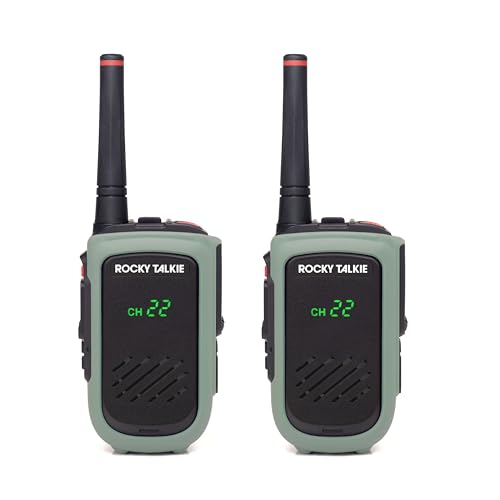
Rocky Talkie Expedition 5W GMRS 2 Pack

Inspireyes Kids Walkie Talkies 3 Pack

Roll With Us Depot Video Walkie Talkies 2 Pack

vilicert Video Walkie Talkies 2 Pack
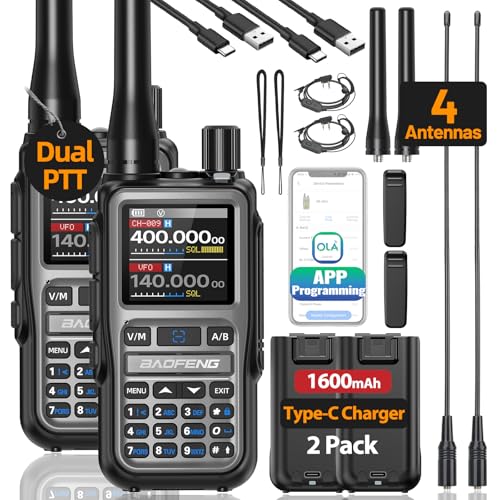
BAOFENG UV-5R Mini Ham Radio
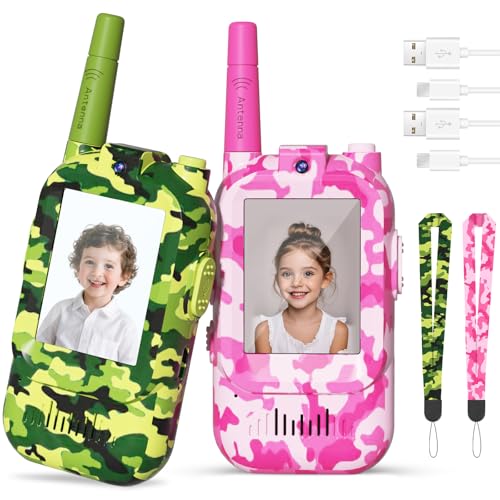
NestChroix Kids Video Walkie Talkies 2 Pack

JIUZHOUTONG 4G LTE POC Walkie Talkie Set

Valley Enterprises OEM-T Power Connector
The Picks, Examined More Closely
For a first pair of walkie talkies, this vilicert set leans into the playful side of the category. It runs on eleven channels and adds voice effects so kids can disguise their voices during pretend missions, which keeps play fresh past the first afternoon. Rechargeable batteries mean no hunting for AA cells at bedtime.
Range and clarity sit in the same neighborhood as other kids’ radios on this list. In a typical suburban backyard or short neighborhood walk, you can expect solid audio. Like most kid-focused sets, walls and dense tree cover will cut the working distance considerably.
What It Does Well
- Voice effects keep imaginative play alive longer than plain radios
- Rechargeable design eliminates ongoing battery costs for parents
- Lightweight shell fits comfortably in younger hands
- Eleven channels give enough variety for siblings or small groups
Things To Consider
- Real-world range drops fast behind walls and across busy streets
- Plastic shell won’t survive hard throws onto concrete
Whose Shelf It Belongs On
Parents looking for an affordable first pair for kids ages three to twelve who mostly play in yards, parks, or around the house.
A Better Fit Elsewhere
For a household with three kids who all want a radio at once, the FAYOGOO Walkie Talkies for Kids 3 Pack keeps the peace without stretching the budget.
Three radios in one box changes the math for families. FAYOGOO ships a trio of rechargeable units with a built-in flashlight on each, plus a layered channel system with twenty-two main channels and ninety-nine sub-channels, which is unusually deep for the kids’ category.
Auto-squelch (a feature that mutes the constant hiss between transmissions) keeps the speaker quiet when nobody is talking. In a crowded play area with other kids’ radios nearby, the extra privacy layers help avoid surprise conversations with strangers on the same frequency.
The Upside
- Three-pack setup covers siblings or a small friend group
- Sub-channel layering reduces cross-talk from other radios in busy parks
- Built-in flashlight is genuinely handy on early-evening campouts
- Rechargeable pack trims long-term cost
Trade Offs
- Stated two-mile range assumes open sightlines, not dense neighborhoods
- Voice effects are not the focus here, so imaginative replay value is more limited
Feature Snapshot
Right Fit For
Families with three or more kids who want everyone included in group play without juggling which child gets a radio.
Swap It Out When
If you only need two units and want voice effects for added replay value, the vilicert Rechargeable 2-Way Radios for Kids Ages 3-12 is the leaner pick.
This is the first pick on the list that steps out of the kids’ aisle. The Rocky Talkie Expedition is a five-watt GMRS radio (GMRS, or General Mobile Radio Service, is a licensed U.S. radio band offering more power and range than unlicensed FRS walkie talkies), built for skiers, climbers, and trail runners who push into places phones cannot follow. Two radios come in the box, ready to pair.
An IP67 waterproof rating (meaning full dust-tight sealing plus protection against temporary submersion) lets the radio shrug off rain, snow, and brief drops in puddles. The 1800 mAh battery targets roughly five days of typical use, which matters on multi-day backcountry trips where charging options vanish.
Notable Gains
- Five watts of output is the maximum allowed for handheld GMRS radios
- NOAA weather alerts (automated severe-weather broadcasts from the National Oceanic and Atmospheric Administration) warn of incoming hazards even mid-trail
- IP67 sealing keeps the radio working through rough weather
- Removable antenna lets users swap in longer options for better reach
Honest Caveats
- GMRS use in the U.S. requires an FCC license, an extra step casual users may skip
- Real backcountry range typically lands closer to two to eight miles than the headline thirty-five
- Heavier and costlier than any kids’ option here
Built With In Mind
Serious hikers, climbers, and backcountry skiers who want durable handhelds that survive real weather and run for days on a charge.
Reach For A Different Pick When
If you need coverage that works anywhere cellular networks reach, the JIUZHOUTONG 4G LTE POC Walkie Talkie Set is a smarter choice.
The standout detail on this Inspireyes set is the weight: each radio lands around 80 grams, which is roughly the heft of a couple of granola bars. Younger kids carrying radios on a long afternoon don’t get tired arms, and the ergonomic shell fits small fingers more naturally than most adult-shaped units.
Battery life targets up to forty-eight hours of play and seven days on standby from a single charge. Built-in rechargeable lithium-polymer cells keep the package tidy, no spare AAs rattling around in a drawer.
The Case For It
- Featherlight body suits younger kids who find typical walkie talkies bulky
- Long standby time means radios stay ready between play sessions
- Three-pack setup works for siblings and friends
- Rechargeable lithium-polymer design avoids disposable cell waste
Soft Spots
- Plastic shell feels thin and may crack under rough handling
- Lacks the voice effects seen on rival kids’ sets
Made For
Younger children around ages three to seven who need a lighter, smaller radio that fits comfortably in small hands.
Consider Something Else When
If imaginative play matters more than weight, the vilicert Rechargeable 2-Way Radios for Kids Ages 3-12 keeps kids engaged longer with built-in voice effects.
Standard kids’ walkie talkies send audio. This Roll With Us Depot set adds a video screen and HD camera so kids can see each other mid-chat, which is a genuine novelty in the category. The press-to-talk button keeps operation simple enough for ages three and up.
Pair the screen with a lightweight ergonomic shell, and you get a gadget that feels closer to a toy smartphone than a traditional two-way radio. Locking onto a single channel removes the need to fiddle with menus during play.
Useful Touches
- Video calls add a layer of fun that audio-only sets can’t match
- Single-channel lock keeps kids from accidentally switching off the group
- Lightweight body is comfortable for smaller hands
- Rechargeable batteries avoid the constant cost of disposables
Points To Note
- Video calls drain battery faster than voice-only modes
- Screen adds weight and bulk compared to plain kids’ radios
Quick Facts
Best Suited To
Kids who gravitate toward screen-based gadgets and want a walkie talkie that feels closer to a mini smartphone.
Look Elsewhere When
For parents who prefer audio-only simplicity and longer battery life, the NestChroix Kids Video Walkie Talkies 2 Pack offers a longer-lasting 1000 mAh cell with the same playful idea.
This vilicert video set leans hard into the imaginative-play angle. The built-in screen turns chats into face-to-face calls, and four voice effects let kids shift between characters during make-believe missions. Backyard hide-and-seek turns into something closer to a spy game with this combo.
Two radios in the box are enough for siblings or a parent-child duo, without the extra bulk of a three-pack. For indoor room-to-room play, the design is well-matched to short hops through walls and doors.
Why It Works Well
- Real-time video calls elevate play beyond plain voice chat
- Four voice effects support creative role-play scenarios
- Two-pack setup suits a parent-child or sibling pair
- Rechargeable cells avoid ongoing battery spend
Room For Improvement
- No third radio, so group play with friends needs a separate purchase
- Video mode is more battery-hungry than the audio-only siblings on this list
Who Should Grab It
Parents shopping for a sibling or parent-kid duo who value creative role-play features and a screen-based chatting experience.
Not Your Match When
If you need three radios for a playdate group, the FAYOGOO Walkie Talkies for Kids 3 Pack keeps everyone in on the conversation.
Now we leave the kids’ aisle entirely. The BAOFENG UV-5R Mini is a ham radio (an amateur radio requiring an FCC license for transmitting, though listening is legal without one) that supports up to 999 channels across VHF and UHF bands (Very High Frequency and Ultra High Frequency, two common radio spectrum ranges used for different terrain and distances). It also receives NOAA weather broadcasts and includes a built-in AM/FM radio for general listening.
USB-C charging is a notable upgrade over older Baofeng models that used awkward barrel jacks or proprietary chargers. Dual PTT (push-to-talk) buttons let you toggle between two frequencies on the fly, and frequency-copy capability helps replicate settings from another radio in seconds.
A Few Strong Suits
- 999 channel capacity covers VHF and UHF ham bands plus NOAA weather
- USB-C charging simplifies cable clutter on the road
- Frequency-copy function replicates settings from another radio in seconds
- VOX hands-free mode lets you transmit without pressing buttons
Where It May Fall Short
- Transmitting on ham frequencies requires an amateur radio license in the U.S.
- Programming the 999 channels via the APP or CHIRP software (free radio-programming tools popular with ham operators) takes patience for first-timers
Spec Overview
Perfect Match For
Licensed ham operators or preppers who want a compact, programmable radio at a reasonable price point.
Where A Sibling Pick Shines
If you want durable off-the-shelf GMRS use without the licensing step, the Rocky Talkie Expedition 5W GMRS 2 Pack is more plug-and-play for backcountry trips.
Where other kids’ video walkie talkies stumble on battery life, the NestChroix set leans on a 1000 mAh cell (milliamp-hour, a measure of battery capacity, where higher numbers mean longer runtime). That extra capacity translates to longer outdoor sessions before a top-up becomes urgent, which matters on camping trips away from outlets.
The pair also includes four voice effects and a video screen for face-to-face chats, sitting in the same creative-play lane as the other video options on this list.
Real-World Strengths
- Higher-capacity battery outlasts smaller-cell rivals during outdoor use
- Four voice effects support imaginative play
- Two-pack covers a parent-child or sibling pair
- Rechargeable design trims ongoing costs
Some Limits To Know
- Video mode drains the battery faster than voice-only use, even with the larger cell
- Range claims soften quickly around walls and buildings
Who It Suits Best
Families planning longer outdoor adventures or multi-day camping trips where charging opportunities are limited.
Skip It When
For a simpler audio-only experience that stretches battery life further, the Inspireyes Kids Walkie Talkies 3 Pack trades the screen for ultra-long standby.
This pick breaks the typical rules of walkie talkies. The JIUZHOUTONG runs on 4G LTE cellular networks (POC, or Push-to-Talk Over Cellular, a system that transmits voice over mobile data networks like a phone call), which means range is essentially unlimited wherever cellular coverage exists. For cross-country trucking teams or large hotel operations, that is the entire point.
Noise-canceling audio helps in loud environments like construction sites and busy lobbies. Coverage spans the U.S., Canada, and Mexico according to the manufacturer, useful for fleet operations spanning borders.
A Few Highlights
- Coverage follows the cellular network rather than line-of-sight radio waves
- Noise-canceling audio holds up in loud working environments
- Multi-country coverage suits trucking and hospitality use
Practical Considerations
- Operation depends on cellular coverage and an active service plan, adding ongoing cost
- Power use rises during heavy push-to-talk sessions compared to FRS (Family Radio Service, the standard unlicensed frequency used by consumer walkie talkies) radios
Built With In Mind
Trucking fleets, hotel staff, security teams, and large-event coordinators who need radio comms across long distances without licensing.
Look Elsewhere When
For backcountry hiking where cellular coverage vanishes, the Rocky Talkie Expedition 5W GMRS 2 Pack keeps working without depending on tower signals.
The final pick on this list is not a radio at all. The Valley Enterprises OEM-T is a power cable that bridges a vehicle’s electrical system to a mobile ham or GMRS radio, using genuine Anderson Powerpole connectors (a standardized, color-coded power plug popular with amateur radio operators) on one end and a two-pin OEM plug on the other.
Eighteen inches of 14-gauge red and black zip cord (a paired positive/negative wire commonly sold together for DC power projects) keeps resistance low enough for radios drawing serious current. Maximum rated capacity lands around 20 amps at 12 VDC.
Where It Delivers
- Genuine Anderson Powerpole connectors mate with standard 15, 30, and 45 amp setups
- 14-gauge wire handles the current draw of most mobile radios cleanly
- Compatibility spans Icom, Yaesu, Alinco, Kenwood, ADI, BTECH, and similar radios
Possible Compromises
- Eighteen-inch length suits compact installs only; longer runs need an extension
- Not a beginner product, since installing mobile radios takes wiring comfort
Quick Facts
Who Will Love This
Ham operators and GMRS users wiring a mobile radio into a vehicle or home bench setup who want a tidy, plug-and-play power connection.
Another Choice May Suit
If you want a complete handheld radio solution rather than an accessory, the BAOFENG UV-5R Mini Ham Radio pairs well with this cable for a full off-grid setup.
What Matters Most Before Choosing Cheap Walkie Talkies
Picking The Right Frequency Family
Most cheap walkie talkies run on FRS, the unlicensed family radio service. FRS radios need no setup beyond inserting batteries and choosing a channel. GMRS radios, by contrast, push more power and reach longer distances but require an FCC license in the United States. For casual users who want to skip paperwork, FRS-only sets like the vilicert and FAYOGOO options stay simple. For longer-range goals, a licensed GMRS set like the Rocky Talkie Expedition is worth the small registration step.
Matching Form Factor To The User
A 5-year-old and a 35-year-old climber want very different radios. Kids benefit from lightweight shells like the Inspireyes 80-gram build, while adults carrying radios on a harness want rugged shells with waterproof sealing. Screen-based video models add weight and reduce battery life, which trades off against novelty. The right size and weight depend heavily on who will carry the radio and for how long.
Range Claims Are Best-Case, Not Real-World
Every radio lists a maximum range, often miles of open-air promise. In practice, walls, trees, hills, and buildings cut that figure dramatically. Urban neighborhoods typically deliver a fraction of the listed distance. Buyers should expect somewhere between one and three miles in typical residential terrain, regardless of what the box claims.
Power And Rechargeability
Rechargeable lithium packs have largely replaced AA cells in modern radios. They save money over time, but battery capacity varies widely. A 1000 mAh cell like the one in the NestChroix video model outlasts smaller packs during long afternoons. For multi-day outdoor trips, larger cells and the option to top up via USB-C (as on the BAOFENG UV-5R Mini) make a real difference.
Key Considerations Across These Picks
Pitfalls Shoppers Hit
One common mistake is buying two radios on different frequency bands, like an FRS-only kids’ set and a GMRS adult radio, and expecting them to talk. They won’t, because FRS and GMRS use overlapping but technically separate channel sets. Another trap is trusting listed range numbers without considering terrain. A radio claiming ten miles in open desert may barely cross two streets in a dense suburb. Check what reviewers say about real urban performance, not just spec sheets.
What The Higher Tier Buys
Spending more on a radio typically buys ruggedness, more channels, waterproof sealing, and longer battery life rather than better range. The jump from a kids’ set to the Rocky Talkie Expedition trades playful features for genuine outdoor durability. Spending more on a ham radio like the BAOFENG UV-5R Mini buys programming flexibility, broader frequency access, and longer battery life, but it also demands more setup time and, for transmitting, a license. The upgrade is worth it when you actually need the durability or channel flexibility. Otherwise, a cheaper FRS set handles most backyard and campsite use just fine.
Frequently Asked Questions
How far can cheap walkie talkies really reach?
Listed ranges assume open sightlines with no obstacles. In a typical suburban neighborhood, expect one to three miles of useful range, sometimes less through dense walls or tree cover. In open terrain, ranges stretch considerably longer.
Do I need a license to use these radios?
FRS radios in the United States require no license. GMRS radios do require an FCC license, which costs a small fee and covers an entire family. Ham radio bands, like those the BAOFENG UV-5R Mini covers, require an amateur radio license to transmit, though listening is legal without one.
Can different brands talk to each other?
Generally yes, as long as they share the same frequency band and channel number. FRS radios from different brands typically work together. GMRS and ham frequencies also work across brands, though privacy codes vary between manufacturers.
Are rechargeable batteries worth it over disposable AA?
Rechargeable packs save money over years of use and reduce waste. They are especially helpful for kids who play often, since parents avoid buying fresh batteries every few weeks. Disposable cells still make sense for occasional or emergency use where charging may not be available.
What’s the difference between walkie talkies and ham radios?
Walkie talkies typically operate on FRS or GMRS frequencies with simple push-to-talk operation and no setup. Ham radios operate on amateur radio bands with far more channels and features, but require a license to transmit and often need programming before first use.
Final Verdict
Cheap walkie talkies cover a surprisingly wide range of needs, from backyard games to mountain trails. Kids’ sets with screens and voice effects keep play fresh, rugged GMRS handhelds survive real outdoor abuse, and 4G LTE models break the range ceiling entirely for working teams. The right pick depends entirely on who is using it and where. Match the radio to the user, not the spec sheet, and you’ll land on something that earns its place in the bag.


