

Finding earphones that genuinely stay comfortable changes how you use them. The wrong shape turns a podcast into a sore ear after twenty minutes, while the right pair disappears so well you forget you’re wearing them. This roundup covers six very different takes on in-ear comfort, from ultra-low-profile sleep buds to multi-driver wired monitors built for long listening sessions.
How The Shortlist Stacks Up
Mini ANC Sleep Earbuds for Side Sleepers

Open Ear Lap Swimming Earbuds Bluetooth 6.0
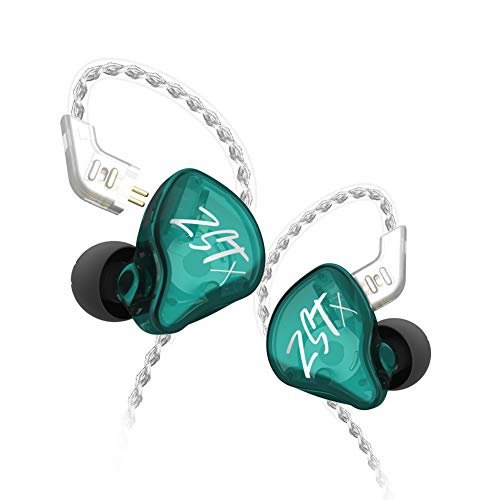
KZ ZST X Hybrid In-Ear Earphones (Cyan)

YINYOO KZ-ZST Hybrid 1BA+1DD HiFi IEM

KZ ZSN Pro Hybrid Dual Driver IEM (Gray)

KZ ZS10 Pro Five-Driver HiFi IEM
A Deeper Look At The Lineup
Most earbuds are built for the commute, not the pillow. The Niderson D20 flips that script, sitting almost flush with the outer ear so the shell never presses into a cushion when you roll onto your side. A dedicated sleep mode locks the touch panel, which is a small detail that prevents the accidental track-skip you usually discover at 3 a.m.
Active noise cancellation (ANC) here is the kind that softens a snoring partner or a noisy HVAC unit rather than silencing an airplane cabin. For bedtime use, that lighter touch is honestly easier to sleep through, and battery life stretches across a few nights on a single charge.
Strong Points
- Low-profile shell stays out of the pillow when you lie on your side
- Sleep mode disables touch controls so nothing triggers while you drift off
- Lightweight ANC tuned for room noise rather than travel-grade rumble
- Charging case is small enough to sit on a nightstand without crowding your phone
Things To Consider
- Bluetooth range is modest; the phone may need to stay on the mattress, not across the room
- Owners commonly report that the included tips take a few swaps to find a proper seal
Feature Snapshot
Whose Shelf It Belongs On
Side sleepers, shift workers, and anyone who wants audio in bed without a hard plastic wedge digging into their ear.
Where Another Pick Suits Better
Lap swimmers should skip these for the Hostena open-ear earbuds, which keep your ear canals clear for poolside awareness.
Swimming is the one sport where the usual in-ear tricks stop working, and the Hostena model leans into that reality. It uses bone conduction, which sends tiny vibrations through the bones in front of your ear while leaving the canal completely open. You hear your playlist and the lap counter’s beep at the same time, which matters when a coach is shouting split times from the deck.
An IP68 rating (a standard that means full dust blocking and continuous water submersion beyond a meter) handles pool chlorine, saltwater, and the post-workout rinse. The trade-off everyone should know about: Bluetooth radio waves don’t pass through water, so music must be loaded onto onboard storage before you dive in, not streamed from a phone on the towel.
Standout Benefits
- Open-ear bone conduction keeps you aware of pool surroundings and coach calls
- IP68 rating supports routine pool and open-water sessions
- Stable wraparound fit holds during flip turns and kick sets
- Useful for runners who also want situational awareness outdoors
Points To Keep In Mind
- Bluetooth cannot transmit through water, so content must be loaded to internal storage before the swim
- Audio fidelity is lighter than sealed in-ear monitors, by design
Made For
Lap swimmers, triathletes, and outdoor runners who want ambient awareness plus a waterproof audio setup.
Not Your Match When
Bedtime listeners should grab the Niderson Mini ANC Sleep Earbuds instead, which seal into the ear for quiet nights.
Moving into wired territory, the KZ ZST X is a hybrid in-ear monitor (IEM) that pairs a 10mm double magnetic dynamic driver (a moving-coil speaker that handles bass and mids) with a balanced armature (a tiny precision driver tuned for treble clarity). That two-way split is the same recipe found in much pricier designs, and the cyan resin shell makes the technology feel a little less clinical.
For desk listening or commutes where the phone is in a pocket, the wired connection sidesteps every codec and battery anxiety. The shape is on the larger side, so small ears may need a tip swap to find a comfortable seal.
The Good Stuff
- 10mm double magnetic dynamic driver delivers punchy, well-controlled bass
- Balanced armature dedicated to treble keeps vocals crisp and clear
- Wired design means no charging routine, ever
- Eye-catching cyan finish stands out from typical black shells
Trade Offs
- Over-ear cable routing and a bulkier shell may not suit very small ear canals
- Stock cable is functional but a common upgrade target for enthusiasts
Right Fit For
Casual listeners stepping into HiFi IEMs without committing to a higher-tier build.
Skip It When
Stage performers should look at the KZ ZSN Pro Hybrid Dual Driver IEM, which adds a detachable cable for quick swaps on the road.
The original KZ-ZST made this whole hybrid-driver category accessible, and the YINYOO version keeps that heritage alive at the entry level. One balanced armature and one dynamic driver handle the frequency split (a single armature covers the highs while the dynamic driver fills in the bass and mids), and memory wire over the ear keeps the fit locked in for long commutes or gym sessions.
For anyone new to IEMs, this is the safest first step: the colorful resin shell signals its budget position, the sound signature leans warm and forgiving, and the wired format means the audio is consistent from day one. Compared with the newer KZ ZST X above, this version skips the cyan styling refresh and the upgraded driver magnet array, but the core sound character is familiar.
Where It Delivers
- Warm, forgiving sound that flatters compressed streaming and pop playlists
- Over-ear memory wire design keeps the seal stable during movement
- Lightweight resin shell stays comfortable across multi-hour sessions
- Useful introduction to the hybrid IEM format at a modest outlay
Honest Caveats
- This listing does not include a microphone, so calls route through the phone itself
- Stock cable is fixed, limiting easy replacement if it frays over time
- No carrying case in the box for most configurations, so a third-party pouch helps
Quick Facts
Best Suited To
First-time IEM explorers and budget-focused listeners who want hybrid-driver sound without the upgrade price tag.
Look Elsewhere When
Anyone needing a swappable cable should reach for the KZ ZSN Pro Hybrid Dual Driver IEM instead, since its detachable design outlasts fixed-cable models.
Musicians and stage performers burn through earphones faster than the average listener, and that reality shaped the KZ ZSN Pro from the ground up. The dual-driver hybrid uses a 10mm dynamic plus a balanced armature, and the metal-and-resin shell feels sturdier than pure-plastic builds. The detachable cable, which connects via 2-pin connectors (small two-prong plugs that snap into each earpiece), is the real headline, because a frayed cable is no longer a dead earphone.
For studio reference listening, the tuning aims for balanced, detailed delivery rather than boosted bass. Against the ZST X reviewed earlier, this model trades a little visual flair for a more refined acoustic profile and a build that survives gig bags and daily transit.
The Case For It
- Detachable 2-pin cable allows quick swaps instead of full replacements
- Hybrid driver pairing delivers balanced, layered sound for monitoring work
- Metal-and-resin shell resists cracks better than budget all-plastic builds
- Over-ear fit keeps the IEM stable during stage movement
Worth Noting
- This configuration ships without a microphone for in-line calls
- Slightly heavier than the ZST X due to the metal faceplate
Feature Card
Who Should Grab It
Musicians, stage performers, and anyone who treats earphones as a working tool that needs to last.
A Better Fit Elsewhere
Casual listeners chasing maximum detail should consider the KZ ZS10 Pro Five-Driver HiFi IEM, which adds more drivers for finer separation.
Five drivers in a single in-ear shell sounds extravagant, and the KZ ZS10 Pro is the model that pushed that configuration down to a price most enthusiasts can justify. The lineup pairs four balanced armatures with a second-generation 10mm double magnetic dynamic driver, splitting the frequency range finely enough to let cymbals, vocals, and bass lines breathe on their own.
Where the ZSN Pro above feels like a workhorse, this one leans into detail retrieval. The midrange armature handles vocals and instruments, while a dedicated high-frequency unit keeps the top end clean. The trade-off is a larger shell, and listeners with smaller ears may find the fit demanding over a long session.
Benefits That Matter
- Five drivers create layered separation that single-driver IEMs cannot match
- Upgraded 10mm dynamic driver improves bass reach over the original ZS10
- Balanced armature pairing handles mids and highs with clarity for monitoring work
- Wired connection keeps the sound consistent for studio or gaming sessions
Room For Improvement
- Larger shell size may fatigue smaller ears during marathon listening
- Detail-forward tuning can feel clinical with poorly recorded tracks
- Premium tips are usually worth the upgrade for a proper seal
Who Will Love This
Audiophiles, competitive gamers, and home studio listeners who want detail retrieval above all else.
Swap It Out When
Anyone prioritizing bedtime comfort should trade up to the Niderson Mini ANC Sleep Earbuds, which are purpose-built for lying down.
Choosing Comfiests In Ear Headphones Without the Guesswork
Match the Form Factor to the Hour
Comfort in an in-ear design depends on how long you’ll wear them and what position you’ll be in. Sleep-specific shells sit almost flush with the outer ear so the pillow never becomes a problem. Sport and swimming models wrap around the ear for stability during flips and kicks. Wired IEMs prioritize a sealed in-canal fit for acoustic isolation, which works well at a desk but can feel warm after hours of continuous wear.
Driver Setup Shapes the Sound
Single dynamic drivers handle the full frequency range from a single moving-coil speaker, while hybrid IEMs split the work between a dynamic driver and balanced armatures, which are tiny precision speakers tuned for specific frequency bands. More drivers generally mean more dedicated handling of bass, mids, and treble, but the physical shell grows with the count. Buyers focused on detail should weigh that trade-off before chasing a five-driver spec.
Wired Versus Wireless, and When Each Wins
Wireless designs free you from cables but introduce charging routines and codec dependencies, which are the audio compression standards that affect Bluetooth sound quality. Wired IEMs sound consistent from any source, never need charging, and let detachable-cable models like the KZ ZSN Pro stay in service far longer. For desk, stage, and bedtime use where the cable isn’t a problem, wired is often the more reliable path.
Key Considerations Across These Picks
Pitfalls Shoppers Hit
A common slip is buying an IEM rated for sweat and expecting it to survive the pool, since most “water-resistant” ratings top out at splashes. Another trap is chasing driver counts without checking shell size, because a five-driver IEM that won’t seal in your ear canal sounds worse than a simple single-driver model that does. Tip selection also gets ignored: the included tips rarely fit everyone, and a $5 tip upgrade often transforms comfort and bass response.
What The Higher Tier Buys
Stepping up from a budget hybrid to a multi-driver IEM typically buys finer separation between instruments, more controlled bass, and shells built from metal or reinforced resin rather than thin plastic. The KZ ZS10 Pro, for instance, justifies its position by spreading the frequency range across four armatures and a tuned dynamic driver, which is a real engineering difference. For casual listeners, the upgrade is rarely worth the jump, but for monitoring work, gaming, or critical music sessions, the extra detail is genuinely audible.
Frequently Asked Questions
How do I stop earbuds from falling out during sleep?
Look for low-profile shells that sit flush with the outer ear, and choose foam tips that expand to fill the canal without pressure. Locking touch controls also prevents the pillow from triggering skips overnight.
Can I swim with regular Bluetooth earbuds?
Standard Bluetooth signals cannot pass through water, so most pool use requires headphones with onboard storage. Open-ear, IP68-rated bone conduction models handle submersion without sealing the ear canal.
Are more drivers always better in an in-ear monitor?
More drivers allow finer frequency specialization, but the physical shell grows and the fit can suffer. A well-tuned hybrid with one or two drivers often outperforms a poorly tuned five-driver model.
Do wired earbuds still make sense in 2026?
For desk listening, stage monitoring, and consistent sound without battery anxiety, wired IEMs remain a strong choice. The detachable-cable options also outlast wireless models in long-term ownership.
How important is tip material for comfort?
Very important. Silicone tips are durable and easy to clean, while memory foam tips conform to the canal for a better seal and reduced pressure during long sessions. Swapping tips is the cheapest upgrade available.
The Takeaway
The right pair of in-ear headphones is the one that fits the moment you’ll actually wear them. Side sleepers get the most from low-profile wireless shells, swimmers need open-ear waterproofing, and detail-focused listeners thrive with hybrid or multi-driver wired IEMs. Pick the model that matches your daily scene, and the comfort usually takes care of itself.